


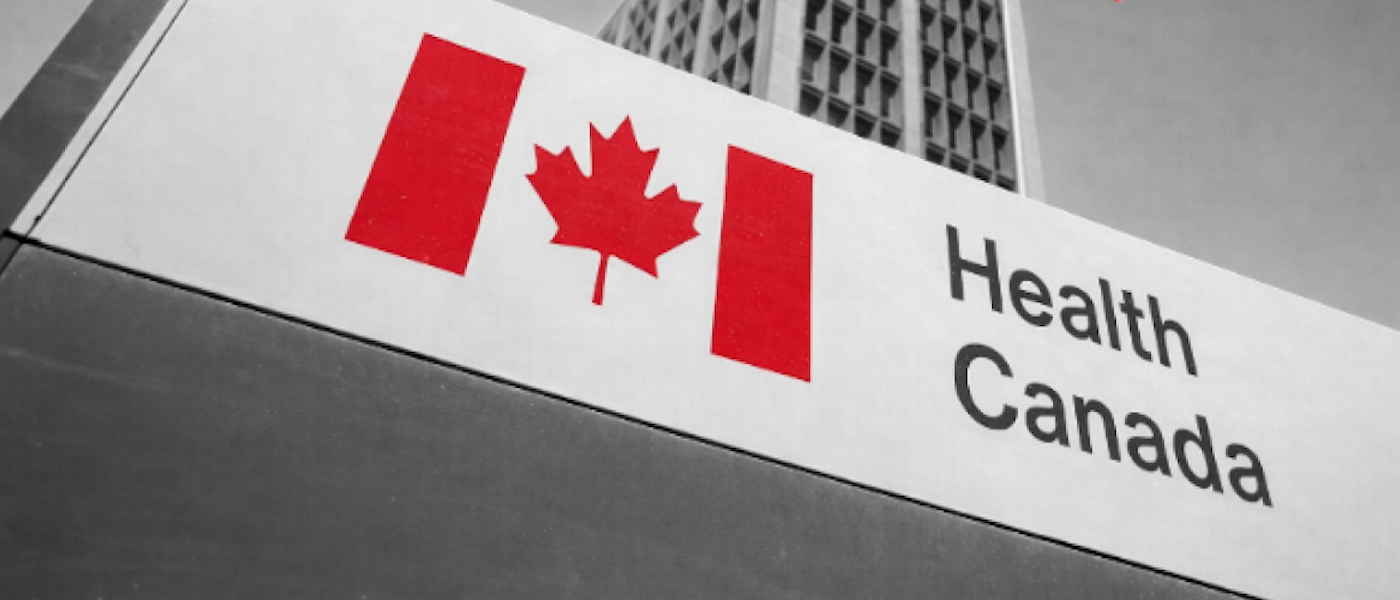


Health Canada wants your side effects reported, after deleting the link to do so for two years
The agency suddenly wants side effects reported without proof of causation, after pulling the link to its own form during the COVID shot rollout, while Ottawa worked to ensure nothing compromised the ‘safe and effective’ marketing mantra.

Health Canada signed on to Med Safety Week again this year, a World Health Organization campaign that runs from November 2 to 8. Its slogan is clear: side effects, don’t ignore them, report them.
The guidance is clear about who can file: patients, parents and caregivers can all submit a report, and nobody has to prove a product caused anything first. Canada Vigilance is supposed to take the information, and look for a pattern.
That’s the right standard. Informed consent is the cornerstone of medical ethics, and it collapses without reporting and vigilance behind it. What makes this week strange to watch is how the same department handled adverse event reports when it actually mattered.
In December 2020 — the month the COVID-19 shots were authorized and rushed to market under an interim order — Health Canada updated the vaccine section of its Report a Side Effect webpage and removed the direct link to the online adverse event reporting form. The link did not come back until February 2023.
By the spring of 2021, the department knew there was a problem. Health Canada’s own response to an order paper question from MP Colin Carrie confirms it received comments from health professionals and consumers “seeking clarification on how to report AEFIs to Health Canada directly.”
Those comments arrived while Canadians were being told, through extensive social campaigns, loudspeakers, commercials and government funded campaigns, that the shots were unequivocally safe and effective. The products were on the market under emergency authorization with trials still ongoing, no long-term safety data, and the usual liability protection for the manufacturers.
Alongside all of this, Ottawa was studying how to address vaccine injuries.
A May 2021 Privy Council Office memo titled “Testing Behaviourally Informed Messaging in Response to Severe Adverse Events Following Immunization” tested how to communicate about serious vaccine reactions in ways that would preserve public confidence and keep vaccination intentions intact. The memo refers to identifying winning communications strategies.
It fits a pattern I’ve been documenting for years. In June 2022, I exposed the scope of the federal government’s use of behavioural modification research and the use of psychological operations on the unwitting public.
In September 2024, I reported on the Public Health Agency of Canada’s first Behavioural Science Office report, covering work from April 2021 to March 2023, including targeted messaging aimed at vaccine confidence and compliance. Tens of millions of taxpayer dollars went into COVID advertising, social media campaigns and paid influencers.
So where was this urgency when Canadians and their own doctors couldn’t find the reporting form? Or worse, were silenced and punished for doing so?
Health Canada can make Med Safety Week mean something by acknowledging the barriers it built, by publicly apologizing and taking meaningful action to fix them, especially when the Harvard Pilgrim study estimated that fewer than 1% of vaccine adverse events are ever reported.
At the end of it all, pharmacovigilance isn’t there to protect confidence in a product. It’s supposed to protect people.
Featured Stories


13:15


COMMENTS
-
Bruce Atchison commented 2026-11-04 20:58:02 -0500We have a narrative-based government. One based on truth would have acted far differently.
