

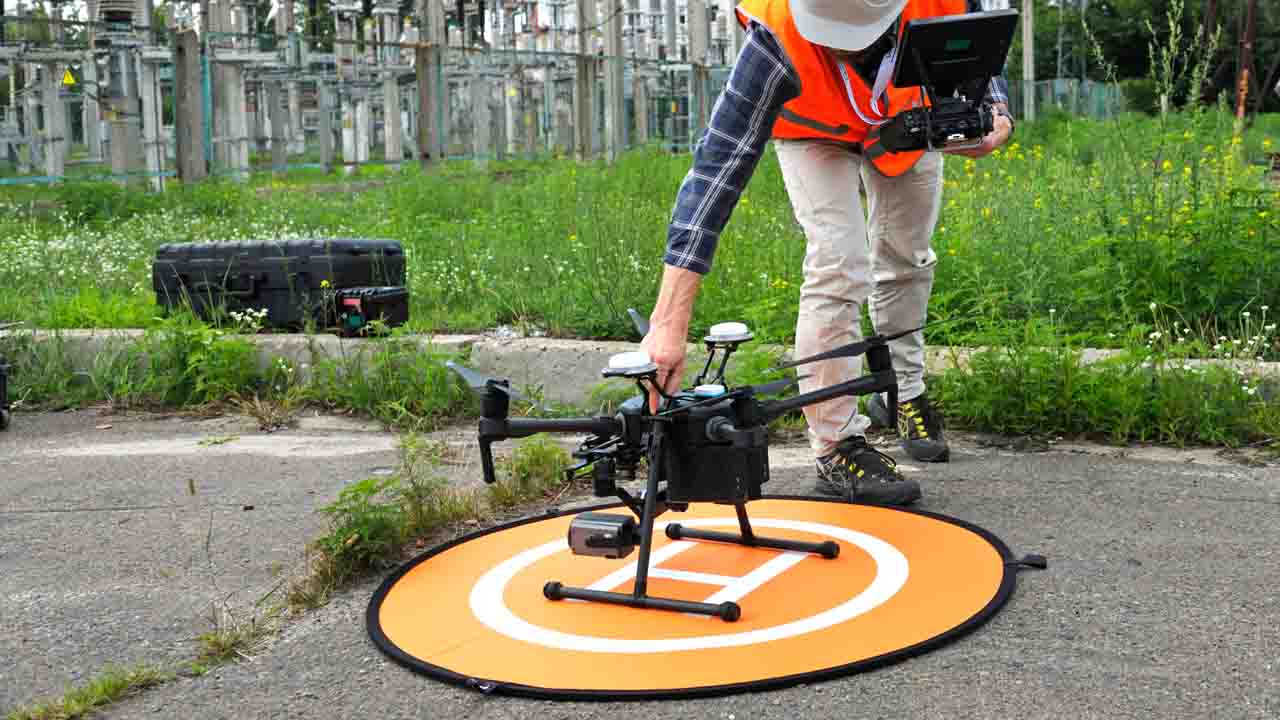

RCMP using Chinese drones banned by US over cybersecurity fears

Numerous government departments, including the Royal Canadian Mounted Police and Canadian Armed Forces, are using Chinese drones previously deemed a security threat by the U.S. military since at least 2017.
A new report from the Journal de Montreal reveals that the RCMP operates 400 drones manufactured by Da Jian Innovation, the largest share of any department. The CAF, meanwhile, told the outlet it operates a “limited” number of DJI drones for non-military purposes.
One of the Winnipeg scientists who transferred confidential, virulent materials to China years ago allegedly led a synthetic bat filovirus project at the Wuhan Institute of Virology (WIV) — where COVID-19 is alleged to have originated.
— Rebel News (@RebelNewsOnline) March 4, 2024
MORE: https://t.co/asRrGdqxbc pic.twitter.com/lDOIFhYq1J
Fears over “cyber vulnerabilities” led American authorities to issue a ban against the company in 2017.
“Cease all use, uninstall all DJI applications, remove all batteries/storage media from devices, and secure equipment for follow on direction,” reads a 2017 memo from a U.S. military official, as reported by Defense One.
The U.S. has taken further actions against the company since then, with Congresswoman Elise Stefanik currently pushing a bill commonly referred to as the “Countering CCP Drones Act”.
China revealed as nation behind Australian espionage scheme
— Rebel News Australia (@RebelNews_AU) March 4, 2024
China's involvement in an espionage plot has amplified tensions ahead of the ASEAN conference in Melbourne. https://t.co/xHlHJRreNg
Australia, a fellow member of the Five Eyes security network — which includes Canada, Australia, New Zealand, the U.S. and U.K. — followed the Americans' lead and also suspended its use of DJI drones.
Concerns have surrounded the RCMP's use of drone technology since at least 2014, when the force's inventory totalled aroundd 60 drones, with a privacy expert warning the National Post that drones could be used for a number of purposes “without oversight.”
Poilievre claims Trudeau 'covered up' lab leaks, won 2021 election with China's help
— Rebel News (@RebelNewsOnline) March 2, 2024
Opposition leader Pierre Poilievre took Prime Minister Justin Trudeau to task for dropping the ball on two scientists who gave China confidential, virulent materials.https://t.co/Q7eYGV8ums
In addition to the military's 2017 ban, DJI, which controls a large share of drones sold worldwide, has been listed as a national security threat by the U.S. since 2020.
“The images collected are considered non-sensitive information,” RCMP spokeswoman Kim Chamberland told the Journal de Montreal. Other departments made similar claims, with the CAF noting that it uses the drones for unclassified images but also keeps some to study the technology.
In 2023, the U.S., U.K., and Australia forged another security pact which caused alarm among some Canadian officials who felt the country was being left behind.
Chuck Schumer flaunts Chinese flag in NYC
— Rebel News (@RebelNewsOnline) February 27, 2024
As the national anthem of China played, Schumer momentarily placed his hand over his heart. Subsequently, he lifted the Chinese flag in one hand and the American flag in the other, waving both.https://t.co/y5qEsiDNRW
"It's an indicator that even among some of our closest allies, shared past experience and common history is not going to continue to get us invited to meetings as it may have in the past," defence analyst David Perry told the CBC.
"It's not a talk shop or a forum for getting together and having meetings. It's a venue through which countries that are looking to make serious investments to deal with serious problems in their security relations are going to do so."
Featured Stories

03:31

10:27

