
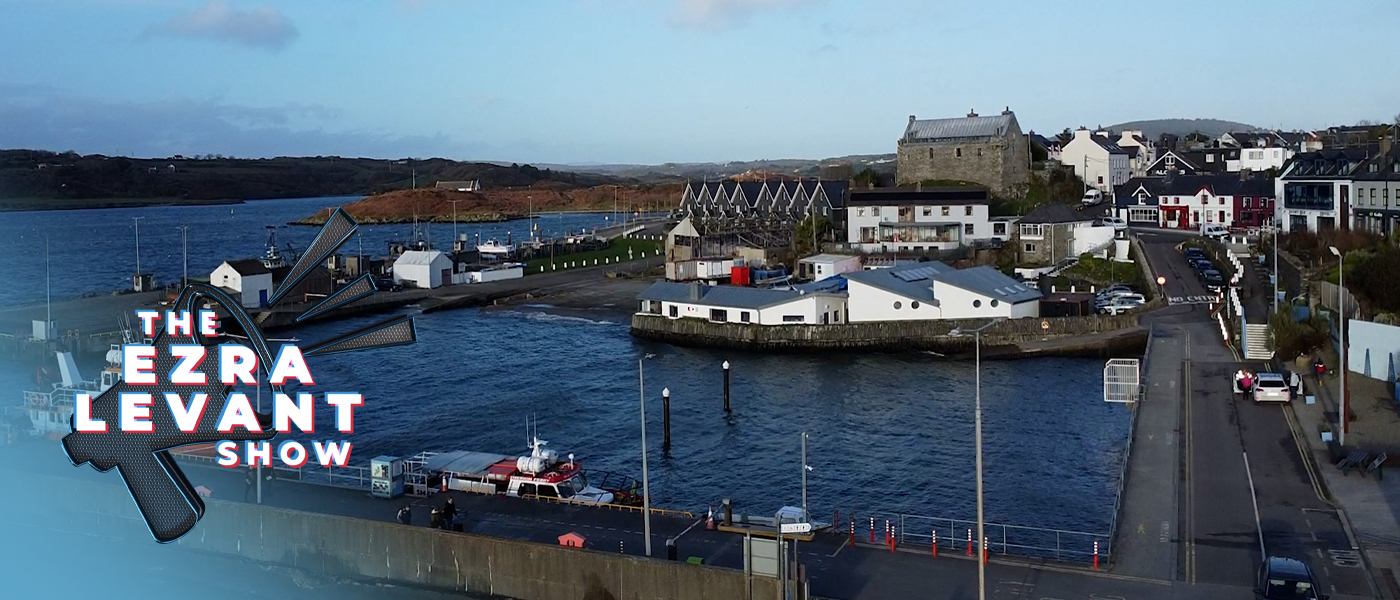
The night Irish villagers vanished into Muslim slavery
A quiet Irish harbour holds a violent story most have never been told about ... because it doesn't fit the modern slave narrative.

BECOME A MEMBER

Article by Rebel News staff
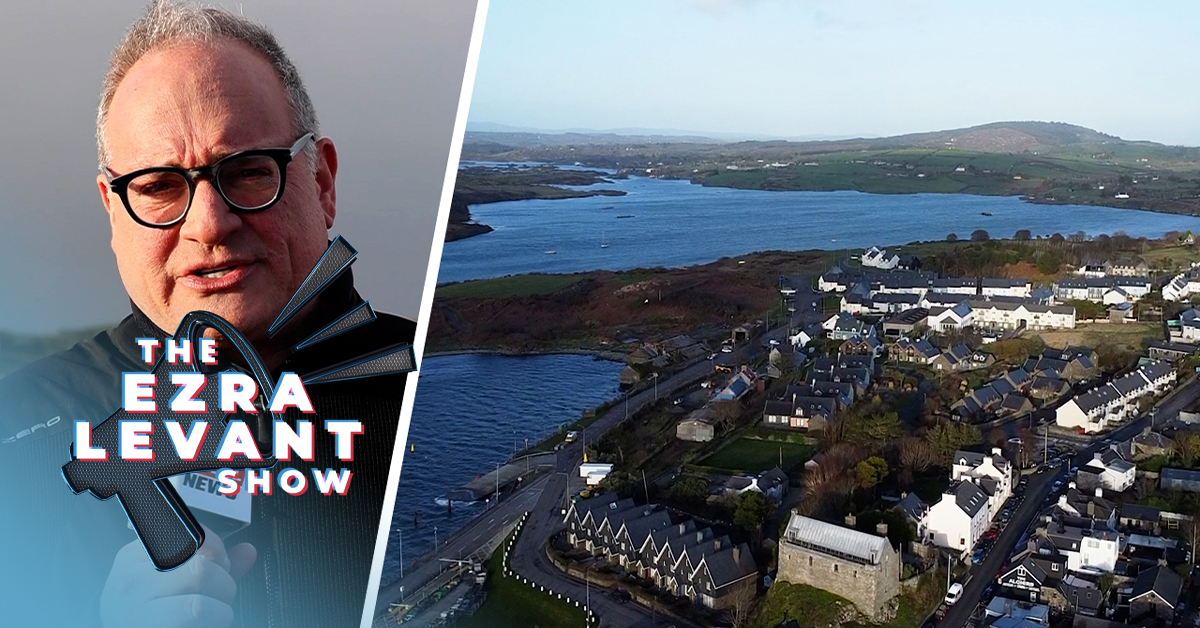
In the early hours of June 20, 1631, the village of Baltimore in County Cork, Ireland, was emptied of its people: kidnaped by Muslim slave traders. More than 100 men, women and children were seized and shipped to the slave markets of Algiers. By dawn, Baltimore was a ghost village.
The victims were forced into brutal labour or sold into domestic and sexual slavery. A handful were ransomed. Most were never heard from again.
This was not an isolated crime. Historians estimate that between the 16th and 19th centuries, over a million Europeans were captured in raids stretching from Ireland to Iceland and deep into the Mediterranean. Coastal communities lived in fear of corsair ships appearing on the horizon. Even the young United States would later fight the Barbary States in the early 1800s to stop attacks on its shipping.
Yet this chapter rarely features in modern conversations about slavery. We rightly remember the horrors of the transatlantic slave trade. But Europe’s own experience of large-scale enslavement has largely faded from public consciousness. Baltimore’s story complicates the simplistic narratives many prefer.
There were local failures, too. Questions swirled about the absence of naval protection and about intelligence given to the raiders. A local man was eventually executed for guiding the attackers through the inlets. The lesson is uncomfortable but clear: outside threats often succeed when aided from within.
Nearly four centuries later, Baltimore thrives again as a fishing and tourism hub. A plaque marks the tragedy. Life returned. Memory, less so.
History is not a weapon to be used recklessly, nor a scorecard for modern grievances. But neither should it be selectively forgotten. The sack of Baltimore reminds us that Europe’s past was shaped not only by conquest abroad, but by vulnerability at home.


COMMENTS
-
 Margaret Carr followed this page 2026-04-12 15:07:10 -0400
 -
Fran g commented 2026-03-11 16:43:22 -0400This emphasizes my belief that Canada should stop trudumbs deeply flawed Reconciliation. This sham has only benefited corrupt chiefs, lawyers, and corrupt govt. For the majority of Indigenous people very little of that trickles down to them.
-
John Williams commented 2026-02-27 02:00:36 -0500Wow! A story no one else is telling. Typical of the rebel news. I want to know these things. Thank you Ezra! History matters while we navigate the present.
-
Susan Ashbrook commented 2026-02-27 01:08:45 -0500Ezra, thank you for bringing this story to light. Those of us who believe in Judeo-Christian values seem to have no concept of other “values” that exist in the world both today and in the past. Such “innocence” will perhaps become our downfall.
-
Allan Young commented 2026-02-26 23:20:58 -0500Irish Slaves, isn’t that interesting.
A few years ago, I met an Edmonton Woman that her family Irish had been taken in the slavery trade. It’s been a while, but they were either held inHaiti or Jamaica. So I knew about these kidnappings for slavery about 10 years back. She described the family now having an interesting interracial family heritage including hers. -
Bruce Atchison commented 2026-02-26 21:26:49 -0500If only we could execute trators who are enabling jihad in the west, we’d be much better off. And remember that Islam is a warrior religion started by an Arabian warlord. The Quran isn’t qualified by context and history like the Bible is. So commands given 1400 years ago apply today.
-
Joe Harris commented 2026-02-26 21:12:46 -0500Most people have no clue that the Irish were some of the first slaves in North America along with a lot of poor people from London.
-
Miriam Gampel followed this page 2026-02-26 20:57:44 -0500
