
‘Demographics is destiny’: Rainbow crosswalk protest puts Canada’s changing culture under the spotlight
A protest against a rainbow crosswalk has landed Amrit Birring in court and sparked a wider debate over free expression, progressive ideology and the demographic transformation reshaping Canada.


BECOME A MEMBER

Article by Rebel News staff
Tonight on The Ezra Levant Show, why Amrit Birring’s rainbow crosswalk protest has opened a much larger debate about Canada’s changing culture, demographic transformation and who gets to shape the country’s future.
Birring took part in a May 30 protest at the intersection of Old Yale Road and University Drive, where video showed him and another man spray-painting over the rainbow crosswalk while a third man held a sign. Birring has defended the protest as an act of political expression, arguing that rainbow crosswalks are not neutral public art but what he describes as propaganda being promoted through public spaces.
A week later, Birring was arrested and released on conditions. On June 26, both Birring and 67-year-old Errol Povah were charged with one count each of mischief over $5,000 by the B.C. Prosecution Service. The day after the charges were approved, Povah returned to the same crosswalk, where police say it was defaced again.
Save your children from pedophilia. pic.twitter.com/NCCMuhkbzc
— Amrit Birring - What's life without Freedom! (@abirring) May 31, 2026
The incident was quickly condemned by politicians, activists and Surrey Pride organisers, while Birring was labelled "far-right" by establishment media and left-wing activists. The broader question is whether this is simply a battle over political ideology, with views outside the progressive mainstream being labelled "far-right", or whether it reflects a deeper demographic shift and mass immigration reshaping Canada’s cultural outlook and what is considered acceptable in public life.
Whether spray-painting a crosswalk amounts to political protest or criminal vandalism will now be decided in court. But the case has opened a much larger debate about the cultural changes taking place across Canada.
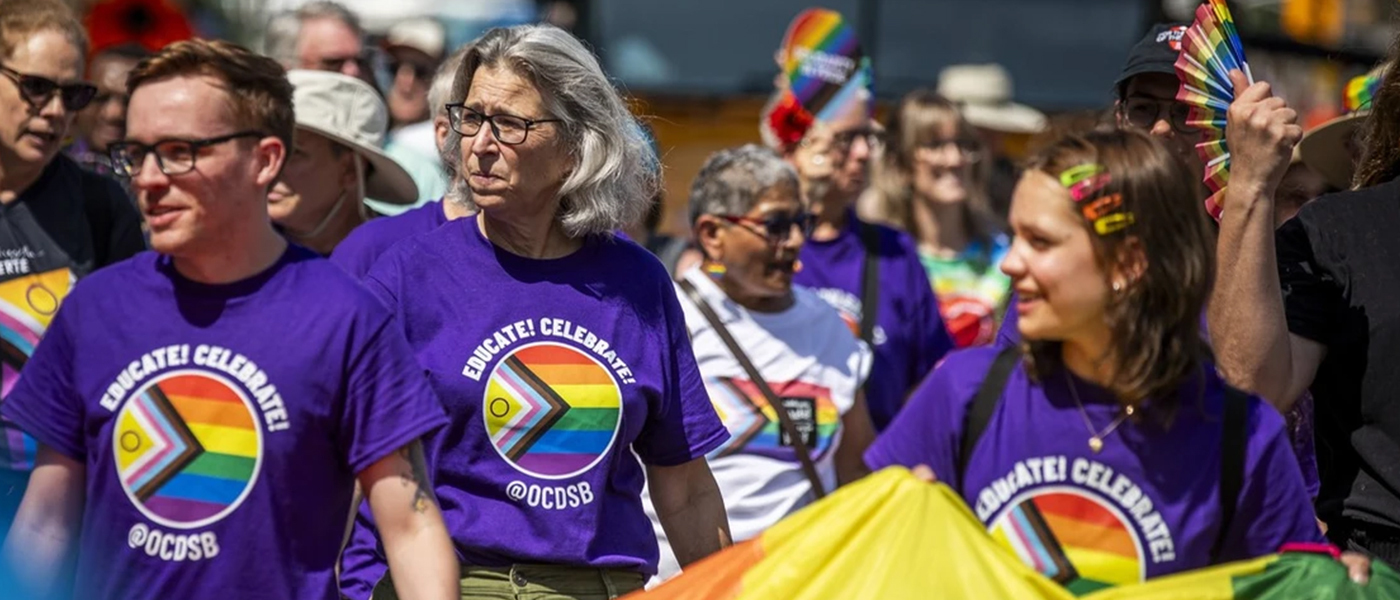
Recent reports that the Ottawa school board cancelled Pride events and transgender story hours have often been attributed to pressure from so-called far-right activists. Another explanation being raised is the impact of demographic change.
Canada has welcomed millions of migrants from countries including India, Pakistan, Afghanistan and Somalia. Many have settled in large communities and cultural enclaves in places such as Mississauga, Brampton and Surrey, where they maintain strong connections to the traditions and social values of their countries of origin.
As these communities grow, differing views on religion, gender, sexuality and public life are increasingly shaping political and cultural debates across Canada. The opposition to Pride events and gender ideology is no longer limited to traditional conservative movements, but is also emerging from culturally conservative immigrant communities.
The debate also extends to concerns about social cohesion and imported conflicts. Rising antisemitic incidents have raised questions about whether Canada is absorbing tensions from overseas conflicts alongside increased migration. Regardless of one’s views on immigration, the consequences of rapid demographic change have become an increasingly central part of Canada’s political debate.
The phrase "demographics is destiny" reflects the argument that changing a country's population eventually changes its culture, language, laws and political priorities.
Cities such as Ottawa, Toronto, Vancouver and Montreal were shaped over generations by particular histories, traditions, languages and legal frameworks. As the population changes, so too will the cultural and political landscape that defines them.
The broader debate raises a larger question: whether Canada can continue to dismiss clashes over changing social values as nothing more than "far-right" vs progressive left-wing ideology, or whether it must acknowledge the transformative role demographic shifts and mass immigration are playing in reshaping the country’s cultural landscape.
GUEST: Noah Jarvis, Ontario Director - Canadian Taxpayers Federation on the PIPELINE TO ONTARIO? - Governments should get out of the way instead putting taxpayers on the hook

COMMENTS
-
Lance Humphries commented 2026-07-08 21:39:50 -0400Ez, the reason Liberals are so bent on maintaining feminism, is due to a book that was much more prominent on Uni campuses back when Pierre Trudeau was in school than it is today. It’s titled Sex & Culture, by JD Unwin, who studied 86 societies going back 5,000 years, and every time women achieve equality the society ends – no exceptions!! And if you’re a commie who swore after WWII that it wasn’t over, well of course you’re going to support feminism. It’s also why PET introduced other policies, like no-fault divorce, the welfare state to ensure that divorcing women would have an income, new Family Law rules that targeted men, etc.
-
 LIllian Kelly commented 2026-07-08 00:14:27 -0400If women judges or women in general are more lenient toward rapists I find this a delusional point of view, and it is not true that most women feel lenient toward a rapist. I just don’t buy this.
 -
Bruce Atchison commented 2026-07-07 20:45:47 -0400One set of bullies is being replaced by another. The woke enforcers are being replaced by jihadists. I believe they will succeed in supplanting the leftists. We’re in for terrible times.
-
Ted Ross commented 2026-07-07 20:32:46 -0400When immigrants come to Canada, they should accept Canadian values. If not why did they immigrate? My Canada of old was a welcoming culture, but become Canadian, don’t bring your garbage from your hellhole here. Close the door and start fresh.