
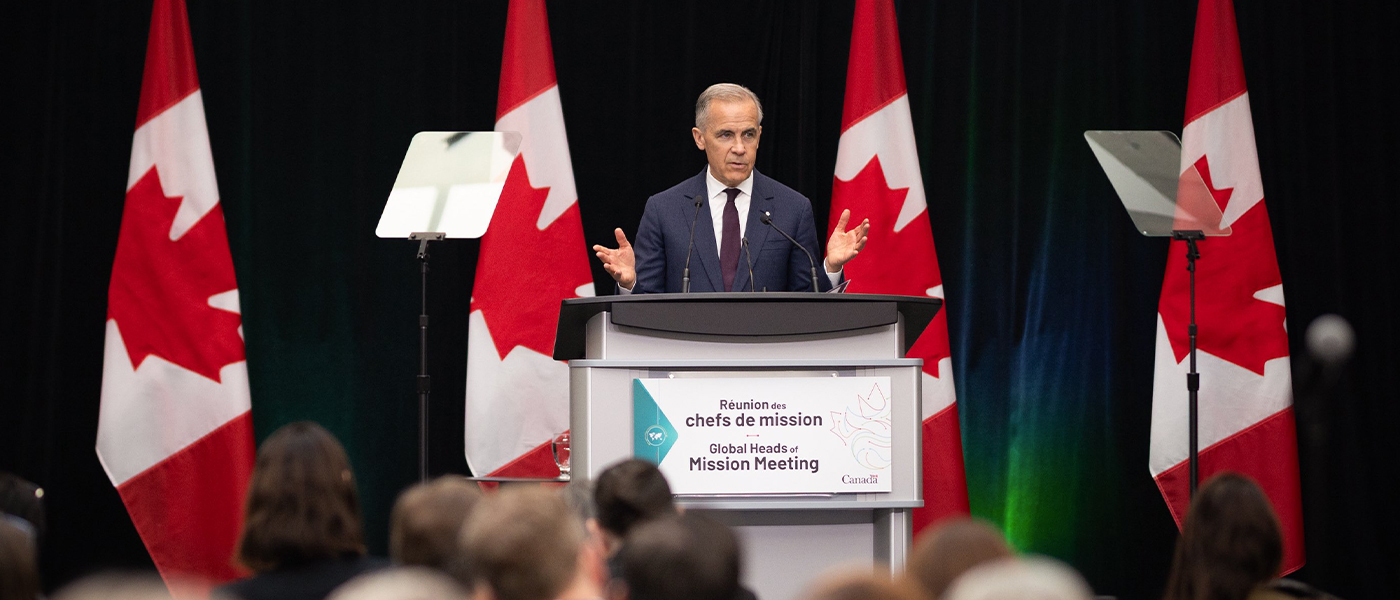

Why the Liberals’ under-16 social media ban is a trojan horse for more government control online
While the government says it is about protecting children, the under-16 social media ban could have far wider implications for internet freedom and censorship, requiring digital identity checks and expanding regulatory power.

BECOME A MEMBER

Article by Rebel News staff
Tonight on The Ezra Levant Show: the Liberals are set to unveil a new internet regulation bill tomorrow, restricting social media access for those under 16 and creating a powerful new digital regulator to oversee online safety and platform compliance.
While it is being sold as a child protection measure, critics ask whether it is another Trojan horse for broader internet control, censorship powers and digital ID frameworks.
Reports indicate the legislation will impose new restrictions on social media access for users under 16, alongside the creation of a federal digital regulator tasked with setting online safety standards and determining which platforms are compliant. Platforms that meet those requirements would be allowed to operate under the new framework, while others would face penalties or restrictions.
As always, the pitch is simple: it’s for the kids.
That's the thing about making kids under 16 prove their age.
— Ezra Levant 🍁🚛 (@ezralevant) June 8, 2026
It's a back-door way to make everyone over 16 provide their ID, too.
Canada's authoritarian government wants to track everything everyone does online.
They're just pretending it's about kids. https://t.co/Nx5V8MLkvt
This has become a familiar pattern. Previous attempts to regulate online speech in Canada have bundled child protection measures with broader powers over content moderation and so-called online harms. The effect is to make criticism politically toxic. Question the censorship framework and you are positioned as being against protecting children.
The tactic is not subtle. It is effective because it shifts the debate away from the scope of government power and toward moral accusation.
There is no serious dispute that parents are concerned about children spending too much time on social media or being exposed to harmful content online. Those concerns are real and widely shared. But the existence of a concern does not automatically justify federal control over how the entire population accesses the internet.
The practical issue is enforcement. A ban on under-16 users cannot function without age verification systems. That means platforms must find a way to determine who is allowed to access their services, which in practice pushes toward identity checks for all users. What begins as a restriction on children quickly expands into a requirement for everyone to prove who they are before participating in online spaces.
That shift is not incidental. It is the central consequence of the policy.
It also raises the obvious problem that age-based restrictions online are already easy to circumvent. Teenagers have been misrepresenting their age on digital platforms for as long as those platforms have existed, and there is little reason to believe that will change because of new regulatory obligations imposed on companies.
🇦🇺 Meanwhile in Australia on the U16 Social Media Ban
— Concerned Citizen (@BGatesIsaPyscho) December 11, 2025
Little Girl:- “It’s a bad idea because we’re gonna find alternates anyways”
Tyrannical WEF Shill Oz PM Albanese:- “yeh that will get found out too” pic.twitter.com/dmzTWwsDQZ
Parents already have access to extensive tools to manage their children’s online activity. Screen time limits, app restrictions and content controls are built into every major device ecosystem. The government is not introducing a missing capability. It is stepping into a space where parental tools already exist and reframing it as a matter requiring federal oversight.
At the same time, the legislation is expected to expand into broader requirements for platforms to mitigate harmful content and address risks associated with artificial intelligence systems. While there is a legitimate debate to be had about how emerging technologies such as AI should be handled, these measures also extend regulatory reach further into how digital communication is structured and governed.
‘A massive surveillance undertaking, and it should alarm people.’
— GB News (@GBNEWS) June 9, 2026
Deputy Editor at Spiked, Fraser Myers, believes Keir Starmer’s proposals to technology companies, including a potential social media ban for under-16s, could lead to restrictions for adults. pic.twitter.com/fRAlRbCpBO
GUEST: Independent journalist Caryma Sa'd on the policing this past weekend at the Walk With Israel

COMMENTS
-
 susan gerbes commented 2026-06-10 09:45:14 -0400Unfortunately just another way of the libs pretending to keep us safe, key word – pretending. They are reinventing the wheel with glorified language and double-speak. Pathetic. They haven’t done squat for this country so far, just talk talk talk…or should I say umm, er,, ahh, duh…..
 -
Paulette Burgart commented 2026-06-10 08:10:45 -0400Holy Hatless ..David! I didn’t recognize you without a hat. Hope that’s not permanent! Hats are wonderful😃
-
Tony Salotti commented 2026-06-10 06:30:53 -0400Another nail in the coffin for Canada . You can vote your way into socialism but you’ll have to shoot your way out of it . That’s the last thing I want to see in my country .
-
Bruce Atchison commented 2026-06-09 20:57:49 -0400I’m ticked at Pierre Poilievre. Why doesn’t he explain in Parliament about the poison pills in their bills? As Ezra noted, they dress bills up in language which makes them noble. But when Liberals condemn Conservatives for not supporting protection of children, I never hear that explanation that there are poisonous parts of the bill. Why is this? Perspiring minds want to know.
As for protests, video evidence shows the radical difference between conservative protesters and socialists. We who believe in civil discourse are far more polite and sain than the lunatic left and their reprobate understanding of reality.
