



More Australians TURN AGAINST ‘cultural diversity’ than ever before in the latest polls
The latest Lowy Institute poll reveals that only 73% of Australians now view cultural diversity positively, a notable decline from 90% just two years earlier.

The 2026 Lowy Institute Poll on "How do Australians feel about the world in 2026?" shows that only 73% of Australians now view cultural diversity positively, a sharp decline from 90% in 2024. Over the same period, the proportion of respondents who see cultural diversity as mostly negative has more than doubled, rising from 9% to 20%. The sharp drop in positive sentiment for the question is the largest negative shift for any societal issue question asked by the Lowy Institute in almost two decades. It also comes as Australia contends with an increasingly heated debate between supporters of multiculturalism and those who argue for a stronger, more unified national culture with less emphasis on diversity.
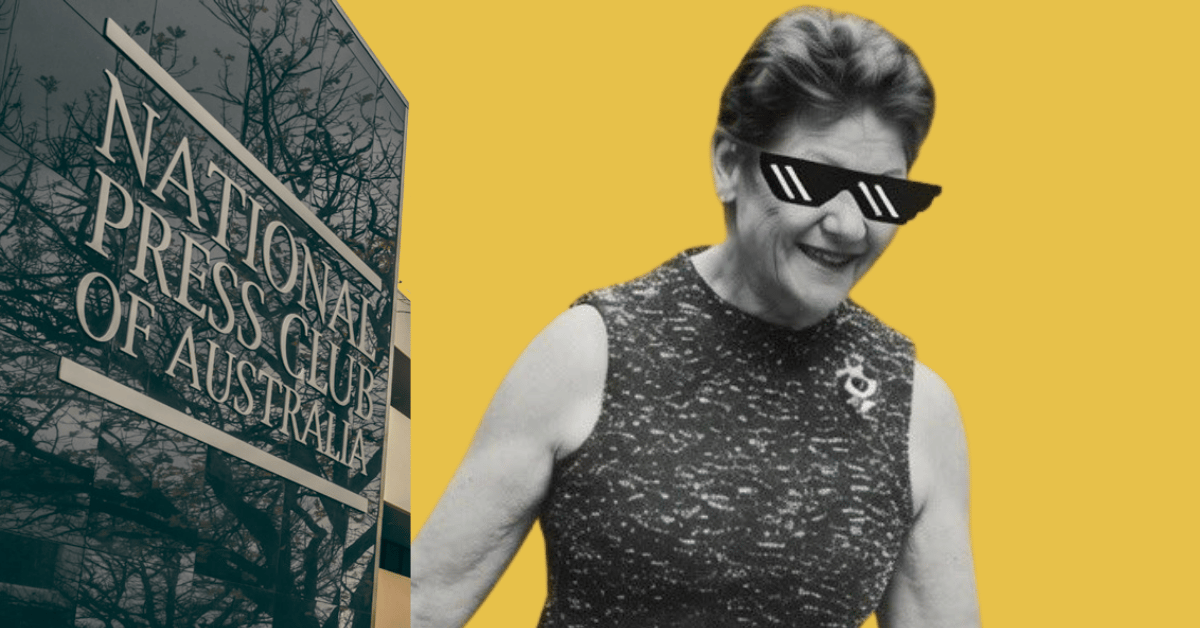
At the National Press Club last week, One Nation leader Pauline Hanson described multiculturalism as “utterly flawed” and argued that Australia should be united by “a common culture, one flag and one set of laws.” She said a stronger sense of shared identity was necessary to maintain national unity and preserve Australia’s cultural foundations. Hanson who is by far the most popular leader in the country at the moment used the term "monocultural" to describe her vision for Australia's identity.
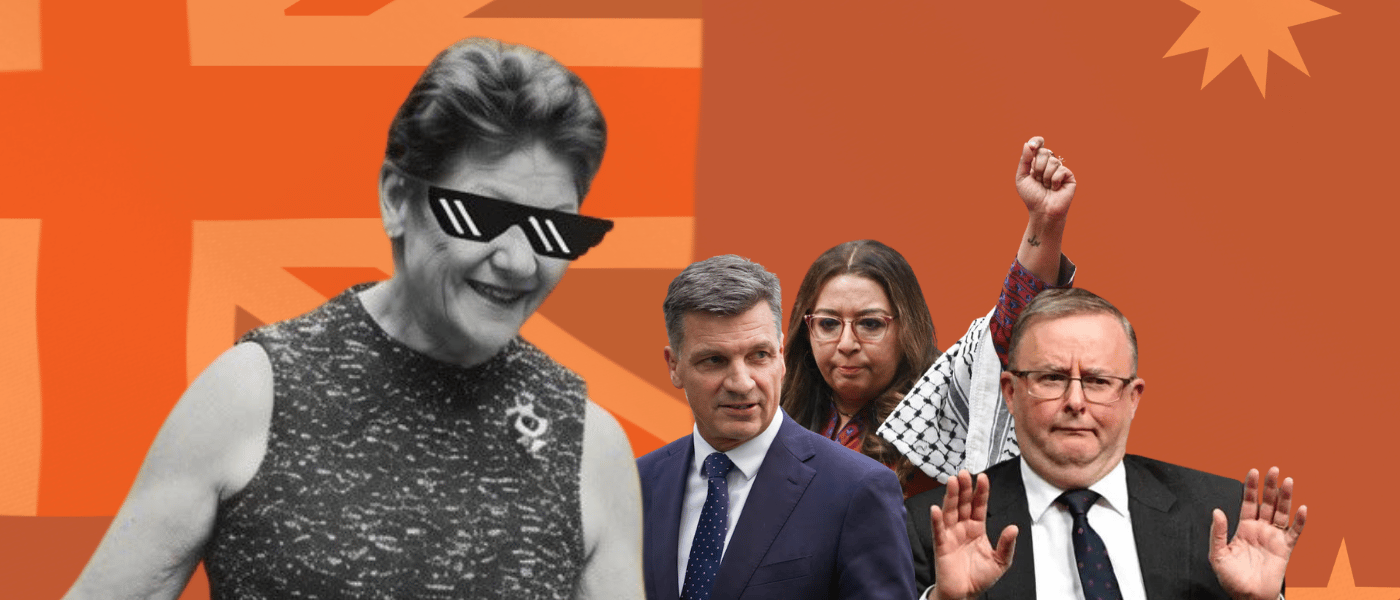
Prime Minister Anthony Albanese, Opposition Leader Angus Taylor, the Greens and left-wing activists have all pushed back, to varying degrees, against Pauline Hanson’s call for a monoculture in Australia. Regardless of your view on her rhetoric, it is undeniable that Hanson has sparked a debate that many in the political establishment typically sidestep.
Albanese weighed in on social media, writing “Diversity is a strength of modern Australia.” He added that every Australian, regardless of their language or faith, deserves to feel safe, respected and valued. His words echo entrenched Labor views on immigration and diversity, often involving sentiments that encourage immigrants to do whatever they like after they arrive.
Diversity is a strength of modern Australia.
— Anthony Albanese (@AlboMP) June 17, 2026
And no matter what language you speak, or faith you practice - every Australian deserves to feel safe, respected and valued.
Great to talk with locals in South East Melbourne today. pic.twitter.com/sJVRe0kifZ
Opposition Leader Angus Taylor also challenged Hanson and One Nation to explain what a monocultural policy would mean in practice. He questioned how it would affect religious freedom, cultural expression and Australia’s diverse population, arguing that Hanson had failed to provide sufficient detail about how such a vision would be implemented. While the Liberal Party has increasingly moved closer to One Nation on issues such as immigration, social cohesion and national identity, it has stopped short of endorsing Hanson’s call for a monoculture.
People from different cultural backgrounds talk to me and say we are proud to be AUSTRALIAN. That is the monoculture we should aim for, where everyone is united towards the one flag.
— Pauline Hanson 🇦🇺 (@PaulineHansonOz) June 18, 2026
We don’t have different laws, we have a monoculture of laws.
A lot of the issues facing this… pic.twitter.com/M1QZ2GzBNz
Hanson later expanded on her remarks on social media, writing on X: “People from different cultural backgrounds talk to me and say we are proud to be AUSTRALIAN. That is the monoculture we should aim for, where everyone is united under the one flag.” She also rejected suggestions that Australia should accommodate competing legal or cultural systems, stating: “We don’t have different laws, we have a monoculture of laws.”
Anyone who has spent time in Australia’s major cities can see how dramatically the country has changed over recent decades. Walk through parts of Melbourne or Sydney and the transformation is impossible to miss. Entire suburbs have become centres of particular migrant communities, complete with their own businesses, cultural institutions and social networks. Those that openly support the diversity mantra would argue that there is nothing inherently wrong with that, because migrants contribute to Australia’s economy, enrich many aspects of Australian life and any opposition to these changes are examples of white privilege and racism.
We love our Multicultural and Indigenous Australia Pauline #Hanson. We have never been a monoculture and never will be. Our diversity is our strength. pic.twitter.com/yMZXJzLEIP
— Kon Karapanagiotidis (@Kon__K) June 17, 2026
But it is equally unreasonable to pretend these demographic changes have not altered the cultural character of the nation. Housing shortages, infrastructure pressures, and the importation of foreign conflicts and social tensions have become major catalysts for the current debate.
The deeper issue is not the migrants themselves but the policies that have shaped modern Australia. For years, political leaders, academics and activists have been reluctant to promote a confident sense of Australian identity. Instead, public debate has often focused on national guilt, historical grievances and criticism of Australia’s traditions and institutions. New arrivals are frequently told what is wrong with Australia before they are taught what is worth preserving.
When the host culture becomes uncertain of itself, assimilation naturally becomes more difficult.
This is where Hanson and many of her supporters have a point. Immigration can only succeed in the long term if newcomers integrate into the broader national community. But integration requires a clear understanding of what people are integrating into. A country that struggles to define its values, traditions and national story should not be surprised when social cohesion weakens.
Australia has a culture — and we should be proud of it.
— Jacinta Nampijinpa (@JNampijinpa) June 18, 2026
I joined Chris Kenny to discuss national identity, our shared history, and the values that unite us as Australians.
Watch below 👇 pic.twitter.com/98cPigsfcf
Liberal Senator Jacinta Nampijinpa Price perhaps expressed her view on the debate more effectively than her leader during a recent interview. She spoke proudly of “a shared Australian identity shaped by First Australians, settlers, convicts and more recent migrants,” adding: “We should be proud of the Australian culture that we do have, which is derived from all of us coming together.” That vision of unity is compelling. Yet it also requires acknowledging that some cultural values are more compatible with Australia’s democratic traditions than others.
Victorian Libertarians leader David Limbrick sarcastically weighed in on X, asking One Nation supporters for clarification: “I’m a bit confused and need some help from One Nation supporters about this new ‘monoculture’. Can you help me out by defining it? What religions are acceptable? Can we still eat banh mi and Chinese takeaway or are they gone? What about Maccas? Is that ok or dirty seppo culture?”
I’m a bit confused and need some help from
— David Limbrick MP 🌸 (@_davidlimbrick) June 17, 2026
One Nation supporters about this new “monoculture”. Can you help me out by defining it? What religions are acceptable? Can we still eat banh mi and Chinese takeaway or are they gone? What about Maccas? Is that ok or dirty seppo culture?
The debate has exposed a growing divide on the political right. While some conservatives are uncomfortable with Hanson’s terminology, there is no denying that amongst the population there is increasing concern about the long-term consequences of multiculturalism when assimilation is no longer expected. Questions about social cohesion, national identity and cultural continuity are becoming harder to dismiss. A recent Rebel News Australia online poll of 10,000 participants showed around 97% support for the debate on a monoculture.
The real question is not whether Australia should be multicultural or monocultural. It is whether Australia still possesses enough confidence in its own identity to integrate millions of newcomers into a shared national culture. A country that cannot clearly define what it stands for will eventually struggle to preserve social cohesion, regardless of how successful its immigration program may be.
Anthony Albanese and Tony Burke will never give up their imported migrant voting blocs or address the issues surrounding mass immigration in a meaningful way, because their political future depends on it.
— Rukshan Fernando (@therealrukshan) June 16, 2026
"They don’t care. Like Albo and Tony Burke, they don’t care. They’re… pic.twitter.com/vkODxJvc0k
Australia has historically been shaped by its British heritage, Western democratic traditions, Christian cultural norms and Indigenous history. Acknowledging that reality should not be controversial. It is the foundation upon which modern Australia was built, even as later generations of migrants have added their own contributions to the national story.
Pauline Hanson has forced these questions back into the national spotlight as the surge in popularity for One Nation makes the conversation impossible to ignore. The political establishment may reject her language, but it can no longer avoid the debate. If Australia is to remain a cohesive and united nation, it must be willing to define, celebrate and defend the values, traditions and institutions that have shaped its identity.
Rukshan Fernando
Rebel News Australia Content Manager and Commentator
Rukshan Fernando is an Australian political commentator, filmmaker, and journalist. He is known for his on-the-ground coverage and livestreams of protests and social issues, with a strong focus on stories often overlooked by the mainstream media. As a Content Manager and Reporter with Rebel News Australia, Rukshan works alongside Australia Bureau Chief Avi Yemini to bring the other side of the story from down under.
Featured Stories

18:59

COMMENTS
-
Bruce Atchison commented 2026-06-22 19:52:50 -0400All socialist ideas are stupid and destructive because they aren’t based in reality.

