
Open online sale of hard drugs advertised on Facebook
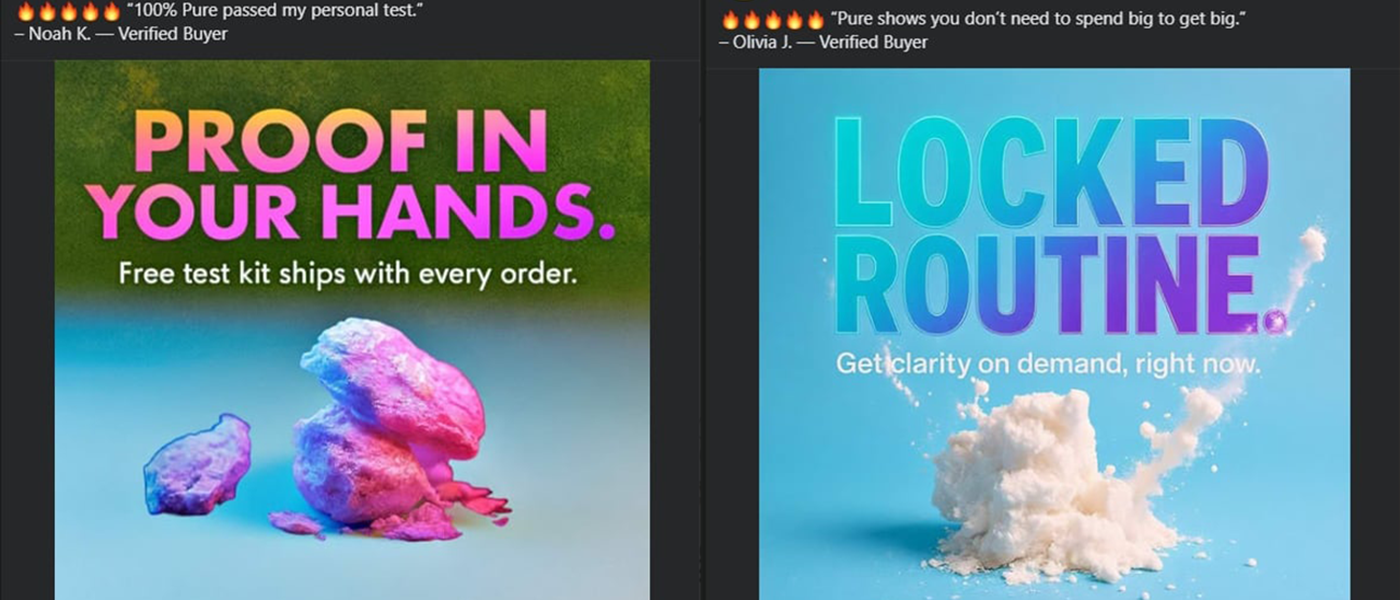
Illicit narcotics are being openly sold — and advertised — on Facebook, potentially giving youth the ability to purchase dangerous drugs on an online black market. Sellers also reassure buyers that, under the Canada Post Corporation Act, police cannot interfere with mail delivery unless it poses a national-security threat.

Editors' Note: Although Maxime Lacasse is credited with first breaking this story, The Star, with its extensive government subsidies, published its own months-long investigation into the ads on November 9, four days before Radio X.
Hard drugs including cocaine, ketamine, and MDMA are being openly advertised on Facebook and delivered to buyers’ homes via Canada Post, raising concerns about public safety and oversight. The phenomenon was first highlighted by Maxime Lacasse, journalist at Radio X in Quebec, who provided key materials for this report.
What’s incredible is that Facebook itself accidentally exposed the whole thing, because these companies are sponsoring paid ads on the platform. These ads pop up in users’ feeds — meaning that children could easily see them.
By using AI-generated images, criminals can often bypass Facebook’s automated moderation systems.
When we contacted Facebook, the company stated that this content violates its policies and that it had already removed similar posts detected by its automated tools.
Facebook added that it is working with nonprofits, law enforcement, and other platforms to address the issue. But as of today, these ads are still appearing.
When you click through, you find multiple sites that all seem to operate in the same way. Many use domain extensions like .nu or .cc — based in Sweden and Virginia, USA, respectively. These domains are known for having low registration requirements, making it easier for operators to stay anonymous and avoid tracking.
I reached out to the Swedish company responsible for the .nu domain to ask whether they knew their domains were being used for illegal activities and whether they were cooperating with law enforcement. So far, no response.
These websites offer a full menu of illegal drugs. They claim their products are “lab-tested in Spain,” though of course, there’s no way to verify whether those tests are real or trustworthy. They also try to reassure buyers by stating that, under the Canada Post Corporation Act, police cannot interfere with mail delivery unless it poses a national-security threat.
They promise discreet shipping through Xpresspost, delivered within 2–3 business days, sealed in smell-proof mylar bags and vacuum packaging for “privacy.”
One product is even branded “Sinaloa’s Finest,” referencing the notoriously violent Mexican cartel. The question is: Are they actually linked to the cartel? Using a cartel’s name without authorization is an extremely risky move.
Canada Post told us that mail security is taken seriously and that they rely on a team of highly qualified postal inspectors who work closely with police across the country. They added that the Canada Post Corporation Act allows them to inspect mail items — other than letters — when they reasonably suspect they contain inadmissible items such as illicit drugs.
They also provided numbers: out of an estimated 64 billion parcels and mail items delivered in 2024, only 5,662 were removed, representing 0.000088%. In other words: the overwhelming majority of illegal shipments likely pass through undetected.
These sites don’t just show hundreds of customer reviews. On Reddit, users openly discuss receiving their orders without issue. Maxime Lacasse even spoke with someone who confirmed they successfully ordered and received illegal drugs from one of these sites.
When Maxime contacted the RCMP, they told him this is not an issue they’re investigating and suggested he reach out to Quebec’s provincial police.
The Sûreté du Québec then told him they also don’t investigate these cases because their priority is pedo-criminality.
So at the moment, no law-enforcement agency seems to be actively investigating this openly accessible drug market on social media — a market that children could stumble upon and that poses serious risks to public safety.
Alexandra Lavoie
Quebec based Journalist
Alexa graduated with a degree in biology from Laval University. Throughout her many travels, she has seen political instability as well as corruption. While she witnessed social disorder on a daily basis, she has always been a defender of society’s most vulnerable. She’s been around the world several times, and now joins Rebel News to shed light on today’s biggest stories.
Featured Stories