NET NANNY: Parents back YouTube — but eSafety boss wants it banned
New research shows parents overwhelmingly back YouTube as a learning tool, raising questions over Labor’s shifting social media stance.

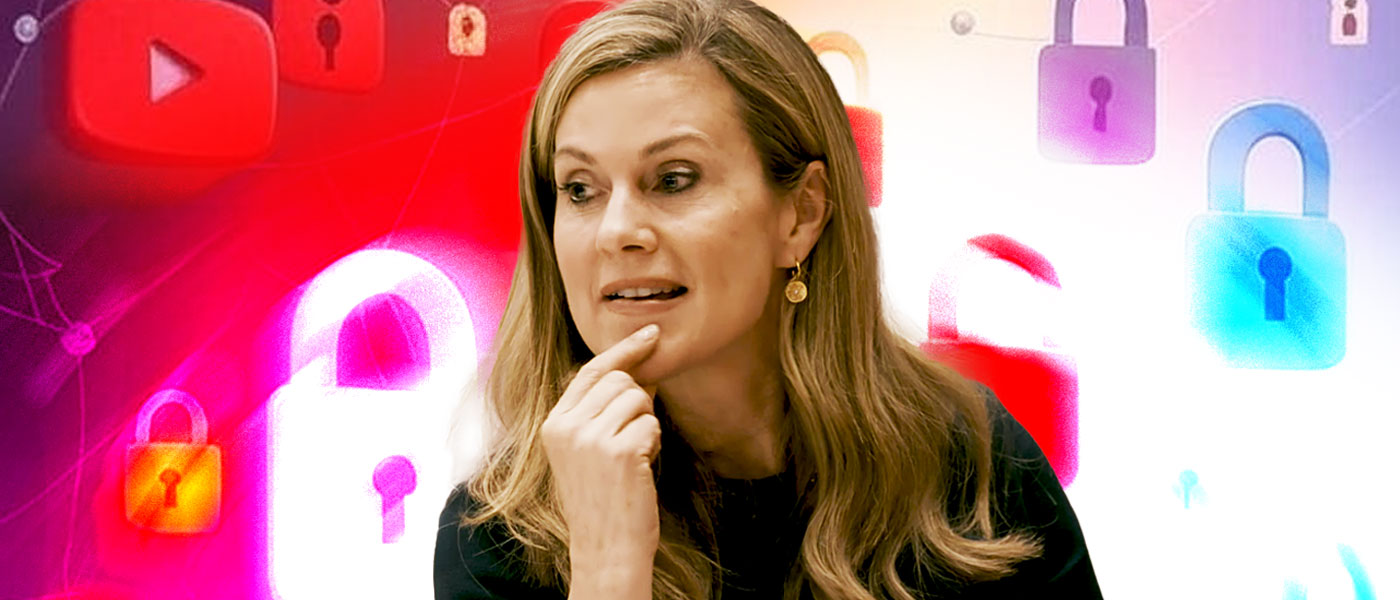
A growing backlash is brewing against Labor's proposed under-16 social media crackdown, with new research revealing that a YouTube ban would be deeply unpopular with Australian parents.
Despite previously excluding YouTube from its proposed youth ban, Labor is now considering adding the platform to its legislation, after lobbying from TikTok and pressure from eSafety Commissioner Julie Inman Grant.
YouTube, in response, released a study by Oxford Economics revealing that 72 per cent of parents believe the platform “helps their children learn.”
Head of YouTube Australia Ed Miles said the data highlights the trust families place in the platform as a safe and valuable learning tool.
“This new research from Oxford Economics demonstrates that Australian parents not only trust YouTube as a valuable learning resource, but also feel confident in guiding their children to use YouTube responsibly,” Miles said.
“This reflects parents' active involvement and their comfort in navigating YouTube alongside their children, using our safety features and parental controls.”
The study also found that:
- 79 per cent of parents think YouTube or YouTube Kids provides quality content for learning or entertainment
- 74 per cent feel confident guiding their child to use the platform responsibly
Despite this, Inman Grant previously warned at the National Press Club that “YouTube has mastered… opaque algorithms driving users down rabbit holes they’re powerless to fight against.” She added, “I follow the evidence.”
However, media obtained internal research after a Freedom of Information request that undermined her claims. It showed YouTube to be among the safest platforms regarding grooming, bullying and harassment risks.
Only three per cent of teens reported being groomed on YouTube, the same as text messaging. In contrast, Snapchat and Instagram recorded significantly higher rates at 23 and 17 per cent respectively.
Notably, Inman Grant has made no call to restrict text messaging for teens.
YouTube requires users to be at least 13, meaning the proposed ban would apply mainly to teenagers.
Featured Stories