

The truth about land acknowledgments — and why it's time to end them
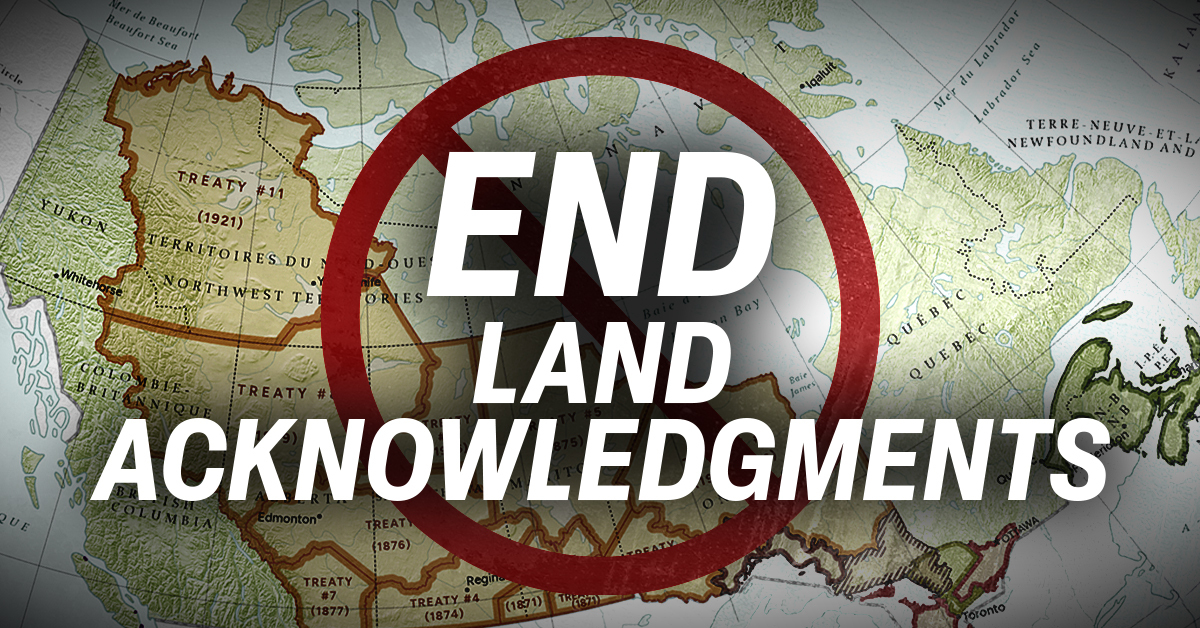
What began as a symbolic gesture has become one of Canada's most controversial political rituals. Learn what the mainstream media won't tell you about land acknowledgments and sign our petition seeking to end this form of compelled speech from the public square.

Land acknowledgments have become one of the most common political rituals in Canada.
They're recited in government offices, universities, legislative chambers, police press conferences, and even before the national anthem during children's school performances.
We're told they're harmless. We're told they're simply about teaching Indigenous history.
But as I explore in this report, many Canadians see them very differently.
For starters, the history behind many modern land acknowledgments is often oversimplified. Long before European settlement, Indigenous nations fought wars, displaced rivals, expanded territories, controlled trade routes, and, in some cases, even practiced slavery.
The Iroquois Confederacy displaced rival nations during the Beaver Wars. The Tlingit expanded their influence through warfare. The Haida famously took captives from neighbouring peoples as slaves.
This is why RACIST LAND ACKNOWLEDGEMENTS and the support they receive from radical leaders like the BC NDP’s Rohini Arora, must stop.
— Drea Humphrey (@DreaHumphrey) June 9, 2025
Note: She uses unproven unmarked grave claims to justify the racism.
Full Report (2021): https://t.co/pHlnpuLouw pic.twitter.com/9TiswSa723
Yet no reasonable person would argue that modern Indigenous Canadians should be burdened with inherited guilt, or that their connection to Canada is weakened because of what their ancestors did centuries ago.
And yet non-Indigenous Canadians are increasingly expected to sit through, repeat, or affirm statements suggesting they occupy "stolen" land and possess a lesser claim to the country they call home. Some are even being punished for speaking out against such compulsion.
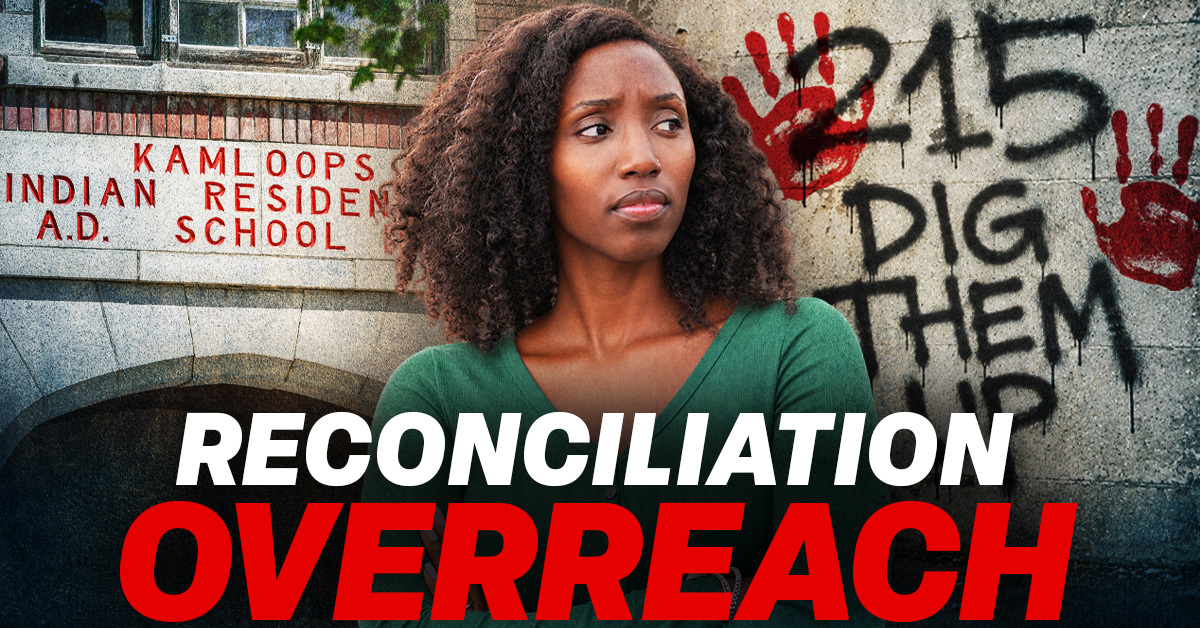
Lara Yates, a B.C. mother of four, was banned from her child's school after speaking out against a land acknowledgment before a school performance. Catherine Kronas, an Ontario parent council member, was suspended from her duties for refusing to participate in one. And four UBC professors have gone so far as to take legal action against the publicly funded university's sweeping use of land acknowledgments, arguing that the rituals force faculty and students to conform to the institution's political views.
The concerns don't end there. Some Canadians oppose land acknowledgments because they believe they promote a form of racism, one that assigns moral guilt, victimhood, legitimacy, or authority based not on individual character, but on ancestry. And with elected officials such as BC NDP MLA Rohini Aroura, using legislature time to label the majority of her constituents “settlers” and “colonizers,” it’s no surprise that many Canadians feel that land acknowledgments have become about racial division rather than reconciliation.
WHO ELECTED THIS RACE BAITER?
— Drea Humphrey (@DreaHumphrey) May 18, 2025
NDP MLA, Rohini Arora, doubles down on her passion for dividing Canadians by labelling some as “settlers” and “colonizers” https://t.co/91HycVg7l5
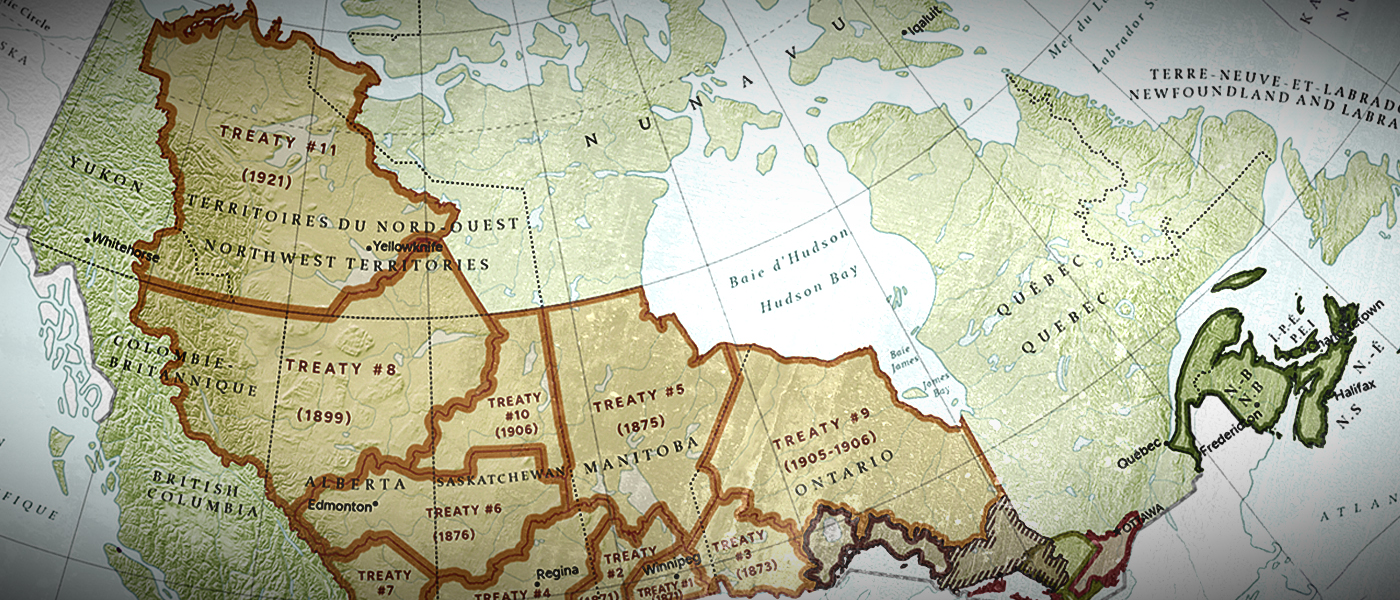
And with Aboriginal title agreements and court decisions raising legitimate concerns about property rights in Canada, land acknowledgments declaring Canadians to be living on "stolen" or "unceded" land go far beyond symbolic statements and now carry political and legal risk.
Enough is enough.
If you believe all Canadians are connected to this land, that no Canadian should be assigned inherited guilt because of their ancestry, or that publicly funded institutions should not pressure citizens into affirming political beliefs they do not share, I encourage you to sign our petition at EndLandAcknowledgements.com.
Drea Humphrey
B.C. Bureau Chief
Based in British Columbia, Drea Humphrey reports on Western Canada for Rebel News. Drea’s reporting is not afraid to challenge political correctness, or ask the tough questions that mainstream media tends to avoid.


COMMENTS
-
 Frang g commented 2026-06-30 18:34:48 -0400I will not stay in a room if they are spouting this garbage. We must make a statement.
 -
Bruce Atchison commented 2026-06-22 19:14:18 -0400I cringe when these racist land acknowledgements are spoken. Who do these race baiters think they are? Such snobbery they have thinking they need to re-educate us all the time to their suppositions. We all must tell these jumped-up prigs to pound sand. Accusing THEM of racism also would go a long way.