

Canadian tourist was 'treated like a criminal' over a damaged passport
Andie Field was detained for 26 hours in a Costa Rican airport over years-old passport damage, enduring isolation, intimidation, and public humiliation before being deported.

For most Canadians, travelling abroad is routine, a chance to escape the harsh winter and unwind. For Andie Field, a tiny imperfection on her passport turned an anniversary getaway into a 26-hour ordeal she will never forget.
The trouble began with a small corner of her passport that had been chewed by her dog four years earlier. At Liberia Airport in Costa Rica, what should have been a simple customs check spiralled into confusion, intimidation, and isolation.
“They didn’t even ask a single question. She flipped through my passport and frisbeed it across the table at me and said, ‘Back to Canada,’” Field recalled of the customs official. Officers refused to communicate in English, and her minimally damaged passport was deemed unacceptable. When Field was handed a document entirely in Spanish and asked to sign it, she refused. “I said, ‘I’m not signing anything that I can’t read.’ He ripped it out of my hand with the pen still on it,” she said.
Field was told she would have to stay overnight in what she was promised would be a hotel room. Instead, she was left alone in a narrow, freezing room with barely a bed and a plastic chair, denied access to her belongings, and subjected to repeated medical procedures—fingerprints, saliva, blood pressure checks—despite not committing any crime. “It all seemed like a lot of effort for somebody that didn’t commit a crime,” Field said. “Having a damaged passport is not a crime.”
Desperate to leave, Field tried to buy a last-minute United Airlines ticket on her phone. Even after securing two $980 USD tickets, airport staff refused to let her board, citing a rule against last-minute purchases. “No problem. Bring me to the ticket person,” she said. “I don’t care if it costs me thousands of dollars. Let me buy a ticket. They don’t have ticket tables, so we were stuck on our phones, and they still wouldn’t let me on the plane.”
Overnight, she endured extreme cold, minimal food, and no access to a phone charger, relying on a lone airport staffer to intermittently power her devices. She was woken at 5 a.m. and forced to endure a cold, incomplete shower. When she finally left, she was marched through the airport, escorted by six officers, and publicly humiliated as she was placed on a plane, declaring that she was being deported from Costa Rica.
Even Canadian officials struggled to intervene throughout the ordeal. “I was in communication with somebody at Global Affairs and the Canadian embassy in Ottawa… but nobody was answering the phone [in Costa Rica],” Field said.
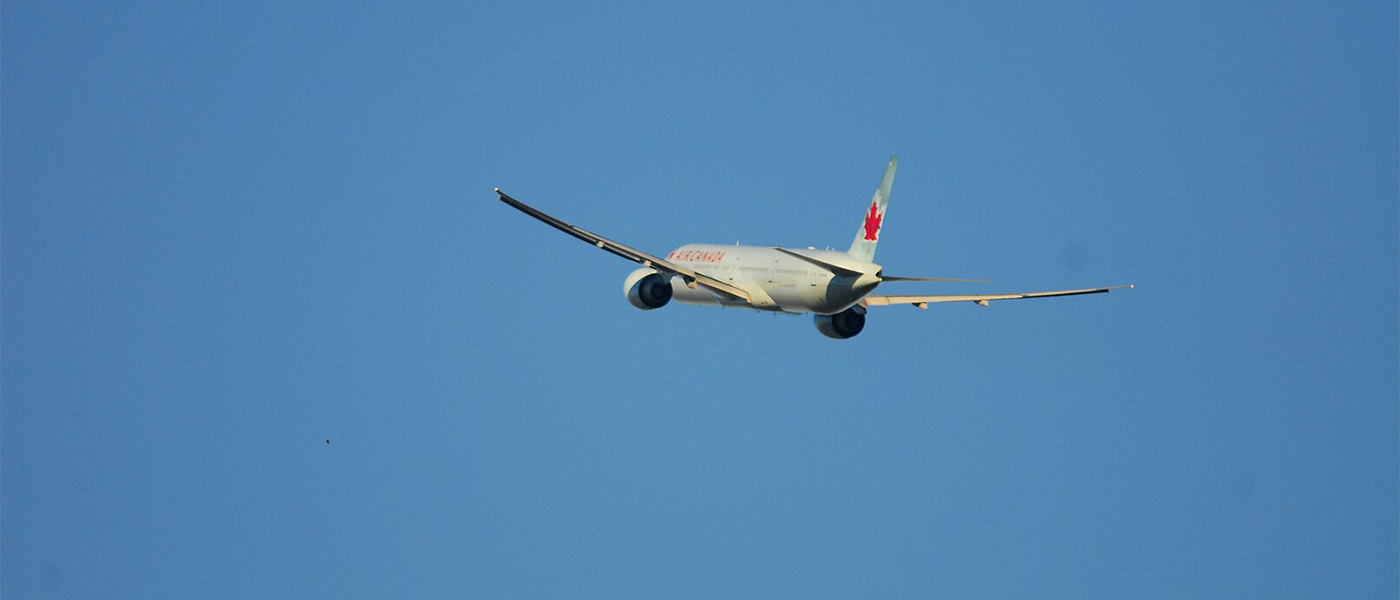
The return journey wasn’t much relief, either. Air Canada’s only available seats were first class, which meant that Field and her spouse had to pay thousands of dollars out of pocket for a vacation that was more akin to a nightmare.
Back home, CTV News covered Field’s story, but instead of sharing the psychological and criminal mistreatment of Field, they fixated on the minor passport damage. This resulted in a flood of online harassment toward Field and her spouse, making an already traumatic experience worse.
Field’s experience can serve as a warning to other Canadians of just how vulnerable they can be abroad. “I felt like I was being treated like a criminal when I didn’t commit a crime,” Field said. “The whole experience was terrifying, humiliating, and completely avoidable.”


COMMENTS
-
 Dj McCue commented 2025-12-30 14:59:31 -0500Good to know which country will be off my travel list.
 -
Dj McCue commented 2025-12-30 14:49:51 -0500Welcome to the future. Maybe they don’t like our socialist nation.
-
Bruce Atchison commented 2025-12-11 20:39:48 -0500What a negative impression of that country. The leadership of Costa Rica doesn’t seem to care about optics.