Dozens of IRGC-linked individuals had Canadian visas revoked in 2026
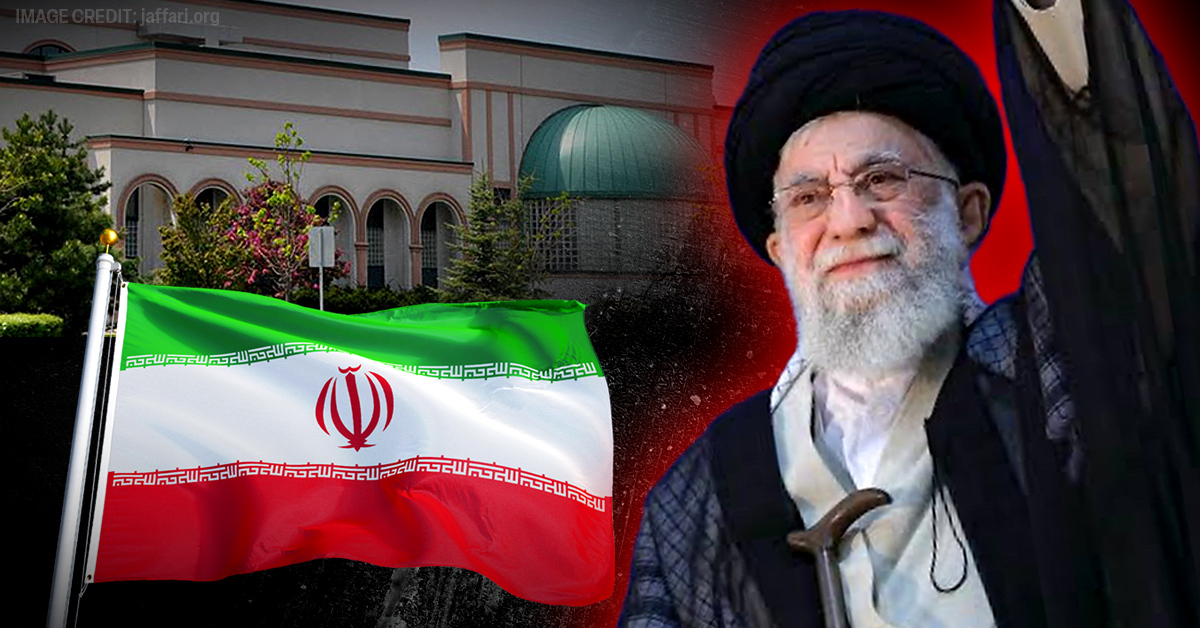
Federal records show 30 people were denied entry, while another 32 visas and existing permits were revoked for individuals tied to Iran's regime or the Islamic Revolutionary Guard Corps in the first four months of 2026.


The Carney government revoked 32 visas and permits belonging to individuals linked to Iran's regime and the Islamic Revolutionary Guard Corps (IRGC) during the first four months of 2026, newly released government records show.
The figures were disclosed in response to an order paper question from Conservative MP Melissa Lantsman concerning the entry of individuals affiliated with the IRGC, which Canada designated as a terrorist entity in 2024.
According to Immigration, Refugees and Citizenship Canada, 30 individuals were found inadmissible to Canada between January 1 and April 29 because of ties to the IRGC or the Iranian regime. Twenty-six had temporary resident applications refused, while four had permanent resident applications denied before they could enter Canada.
But the government revealed a second category of cases involving people who had already received authorization to come to Canada.
Between January 1 and April 29, IRCC cancelled 31 visas and one temporary resident permit belonging to individuals with ties to the IRGC or senior officials of the Iranian regime. The department noted these were separate cases from the 30 refusals, meaning the individuals had initially been approved by Canadian immigration authorities before their status was later revoked.
The disclosure raises questions about how those visas and permits were approved in the first place and whether some of those individuals had already arrived in Canada before their documents were cancelled.
IRCC did not specify how many of the 32 affected individuals were physically present in Canada at the time their visas or permits were revoked. Instead, the department stated that removals fall under the jurisdiction of the Canada Border Services Agency.
Separate figures from CBSA suggest at least some were already here.
According to the agency, since January 1 it processed four cases involving suspected members of the IRGC or senior Iranian regime officials who were "allowed to leave" Canada. Those cases involved one suspected IRGC member and three suspected senior officials of the Iranian regime.
The phrase "allowed to leave" is significant because it refers to individuals who were already in Canada and departed, rather than people who were stopped at the border before entering.
The disclosures come as Canada prepares to host matches during the 2026 FIFA World Cup. Immigration officials insisted that all visitors remain subject to Canada's inadmissibility laws and stated that no current or former IRGC officials have been admitted to Canada in connection with the tournament.
The government maintains that "IRGC officials are inadmissible and have no place in our country." Yet the records show that in just four months this year, Canadian authorities denied entry to 30 people tied to the Iranian regime while revoking visas or permits previously granted to another 32.
The unanswered question is how many of those 32 individuals were already inside Canada before the government determined they should not have been allowed here at all.
Sheila Gunn Reid
Chief Reporter
Sheila Gunn Reid is the Editor-in-Chief, Alberta Bureau Chief, member of the board of directors, and host of The Gunn Show at Rebel News. Sheila also serves as President of the Independent Press Gallery of Canada. A mother of three and longtime conservative activist, Sheila is the author of bestselling books, including her most recent release, Independence Blueprint: What Alberta Can Learn From Quebec.
https://mybook.to/sheilaFeatured Stories

16:57
04:52


COMMENTS
-
 Fran g commented 2026-06-29 11:55:49 -0400One drop in the bucket means nothing. Typical.
 -
Bruce Atchison commented 2026-06-16 21:26:37 -0400This is done for show. Ottawa wants to appear busy while doing next to nothing.