
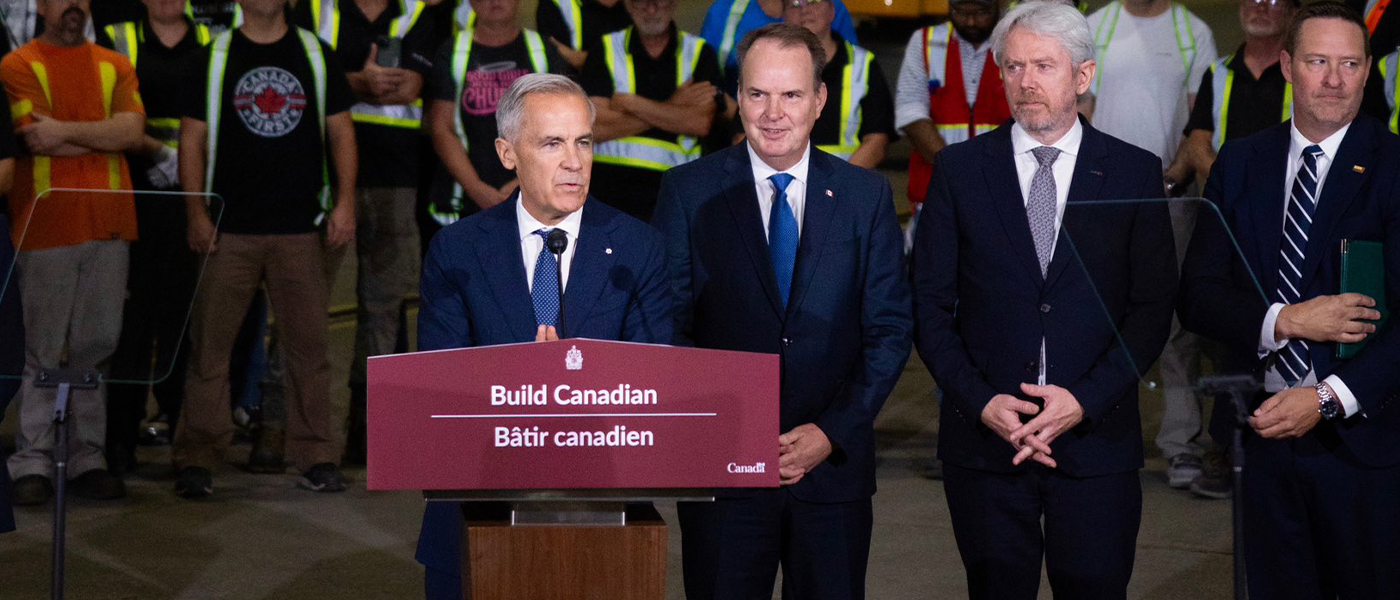

Alberta’s referendum on a referendum, and why Ottawa is flinching feat. Peter McCaffrey
In six weeks Albertans vote on whether to hold a separation referendum. Peter McCaffrey on oil, an export tax, and the pressure that vote is already putting on Ottawa.

BECOME A MEMBER

Article by Rebel News staff
Tonight on The Ezra Levant Show, Peter McCaffrey of the Alberta Institute joins to discuss Alberta's growing political influence, its fight with Ottawa and other provinces, and the independence debate that could reshape Canadian politics.
Alberta has never been just another province. For a generation it has been the laboratory for ideas that later travelled east: fiscal conservatism, free markets, and the right of provinces to run their own affairs. Ralph Klein and Preston Manning came out of Alberta. Stephen Harper's fiscal approach was formed there. The Canadian Taxpayers Federation had its boss there. Mike Harris later took a version of that common-sense agenda to Ontario.
Now Alberta is back at the centre of it all. On October 19, six weeks away, Albertans vote not on leaving Canada but on whether to hold a separation referendum next year. A judge required Indigenous consultation before a leave question could proceed, so that question is not on the ballot. The two-step referendum still matters though. You can vote yes because you want out. You can vote yes because you want a real vote later. Vote no and the debate is meant to end. Opposing October is not just opposing separation. It is opposing a future referendum at all.
That is the split behind the strange alliances. Jason Kenney, once one of Harper's most conservative ministers, is lining up with Rachel Notley and floating an export tax Danielle Smith has already ruled out.
Eastern politicians have spent months treating Alberta as a bargaining chip. Doug Ford and others floated sacrificing Alberta jobs and energy to punish Donald Trump. Some talked about cutting electricity. The question none of them answer is Kissinger's: and then what?
Alberta oil does not go straight to Ontario and Quebec. It goes through the United States first. Shut off the Americans and you shut off Eastern Canada with them. McCaffrey says Ford appeared to learn this only after a call with Smith, then started talking about a pipeline east. Alberta has asked for that for 20 years. There is no live Energy East project. The last proposal was withdrawn in 2017 after Ottawa expanded the regulatory review to cover upstream and downstream emissions.
None of this is new. Pierre Trudeau's National Energy Program tried to choke the industry. Alberta won that round in the constitution and the courts. Canada keeps circling the same question: who owns the resources? Every other province had that ownership from Confederation. Alberta and Saskatchewan had to fight for it after the fact.
Quebec talks about tariffing electricity as if that matches Alberta oil and gas. Alberta's oil-and-gas exports are larger than everything Quebec exports combined. Turning off the taps was never a serious threat. An export tax is the live risk. One argument in the interview is that the October vote may be why Mark Carney has not imposed one. McCaffrey will not treat that as settled. He asks the sharper question: if the vote fails, does that tax come back on the table?
Then there is Keystone XL. The New York Times reported Ottawa offered the Americans the pipeline, then withdrew it. McCaffrey will not hang the whole trade collapse on that one chip. What he will say is that a pipeline good for Canada should not have to be sold to Washington as a favour. Ottawa should want it built whether there is a deal or not.
The argument made here is that a leave vote of 30 or 40 per cent would still matter. Quebec has lived off that standing threat for a generation. Until this campaign, Alberta had no or else. The Quebec parallel fails on the economics. Quebec is poorer and a net beneficiary. Alberta is the richest province and a net contributor. Leaving would be toward lower taxes and more investment, not a weaker jurisdiction.
Guest: Peter McCaffrey, president of the Alberta Institute.

COMMENTS
-
 Keith Bennett followed this page 2026-09-08 13:37:20 -0400
 -
Matthew Beatty commented 2026-09-08 08:39:56 -0400Always keep your option open, never loose the ability to make a choice.
Why go to work with half of your tools, be prepared. -
Bruce Atchison commented 2026-09-07 21:13:34 -0400Quebec didn’t really want to separate. They just wanted more things their way. So they used their “or else” to bully Ottawa into giving them their own pension, police, and other favours. Alberta is rich and doesn’t need Canada sucking its wealth out of it.
