
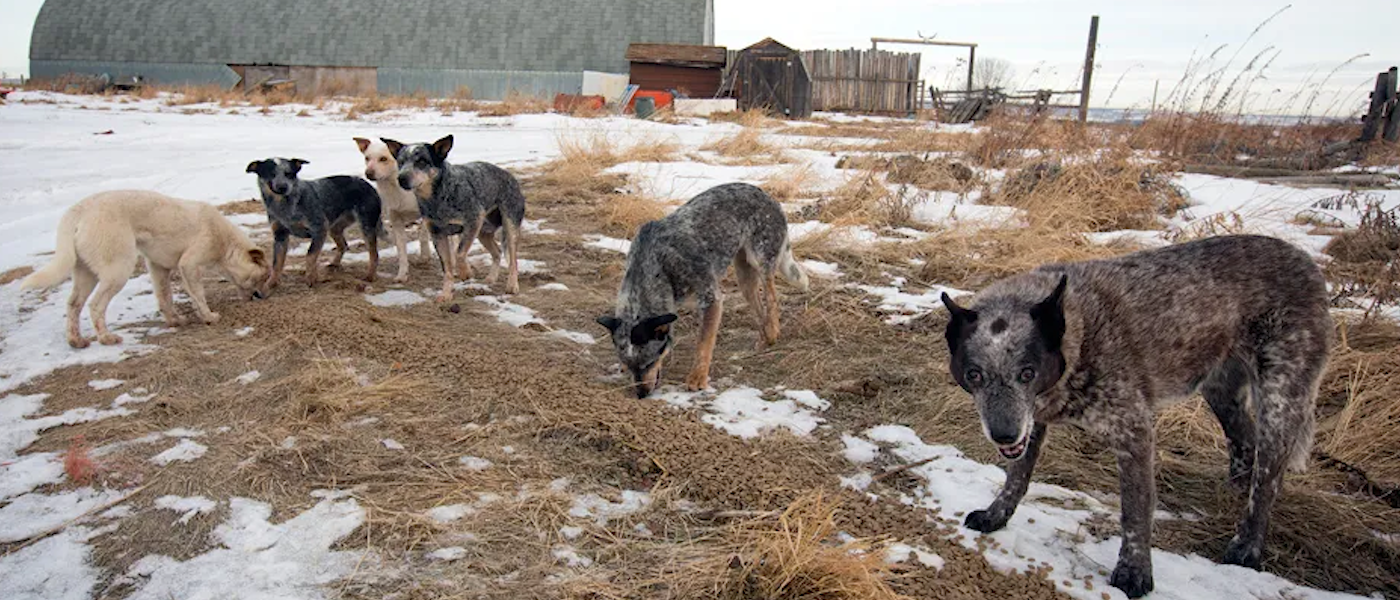

Inside Canada's hidden dog cruelty crisis on First Nations reserves
A few Canadian dog rescuers are sounding the alarm about this prevalent issue, perhaps none so loudly as Reed Salmon, an outspoken, controversial animal rights activist boldly raising awareness for suffering rez dogs.

Canada has a worldwide reputation as a ‘progressive’ nation that champions not only human rights, but also animal rights, which is reflected in provincial and federal laws as well as our cultural attitudes. So usually, when we think of rampant animal cruelty, we think of other societies — not our own. Because surely, if that were occurring on Canadian soil, citizens would hear about it regularly, right?
Sadly, there IS a rampant animal cruelty crisis in Canada; a dirty little secret, happening right under our noses. There is a disproportionate amount of neglect, starvation and abuse of dogs going on in First Nations reservations nationwide, including frequent ‘culls’. This is well known among the dog rescue community, so why is this issue not being urgently addressed by most law enforcement officials, politicians or mainstream media?
While animal abuse occurs at the hands of people from all races, there is a glaring disparity in accountability and transparency when it is done by Canada’s First Nations population; conversations are generally shut down quickly with excuses or accusations of racism, a common pattern when discussing sensitive societal issues in modern, liberal Canada.
A few bold, compassionate Canadian dog rescuers are sounding the alarm about this prevalent issue, perhaps none so loudly as Reed Salmon, an Albertan musician and outspoken, controversial animal rights activist who refuses to be silenced when raising awareness for suffering rez dogs.
Reed is the founder of the Reed Salmon Foundation and is also working on a new, nationwide organization to carry out this work.
With his blunt posts about the tragedies occurring on reserves, Reed has made serious waves online. He’s been accused of every label in the book, but he refuses to be silenced and aims to be a voice for the voiceless dogs who cannot speak up for — or defend — themselves. He also does on-the-ground rescue work, including delivering straw bales and dog food to reserves, emancipating dogs who are emaciated or freezing while tied up on short chains, and fundraising for rescues in the prairie provinces.
Reed is desperately trying to make a dent in this crisis, but he — and all dog rescuers — needs help. In this conversation, he outlines the problems, addresses why ‘left-leaning’ solutions will not fix this, and also outlines the many ways you can be part of the solution.
If you love dogs, you won’t want to miss this conversation. Though be prepared: Viewer discretion is advised, as some of the discussion and images shown are very disturbing.



COMMENTS
-
 Franj g commented 2026-05-22 14:33:58 -0400Thank you Kelly and Reed for bringing this needed important, sad issue out to the public. This reminds me when I a few yrs back started talking about the horrible mass immigration. People were accusing me of racism. I said its not racism, its Canadas reality that we must strongly deal with. Reed you are not racist either. You are dealing with the reality of these poor, beaten, sad, and abused animals, mans best friend, dog is god spelled backwards. Im so glad you mentioned that some Indigenous people on rez are upset by the cruelty but are afraid to stand up. I know there are many kind wonderful Indigenous people that are being silenced. So happy Reed that you are organizing and working hard to correct this cruelty. Animal lovers all over the world are colour blind.
 -
Bruce Atchison commented 2026-05-18 21:08:07 -0400Race has its privilege here in Canada. The socialists and their Indian Act supporters have let this happen. The human toll is also horrific. It’s why Alberta’s first nations people will be way better off when we become our own country. Whatever we design in the future, it will be far better than what aboriginal people have now.

