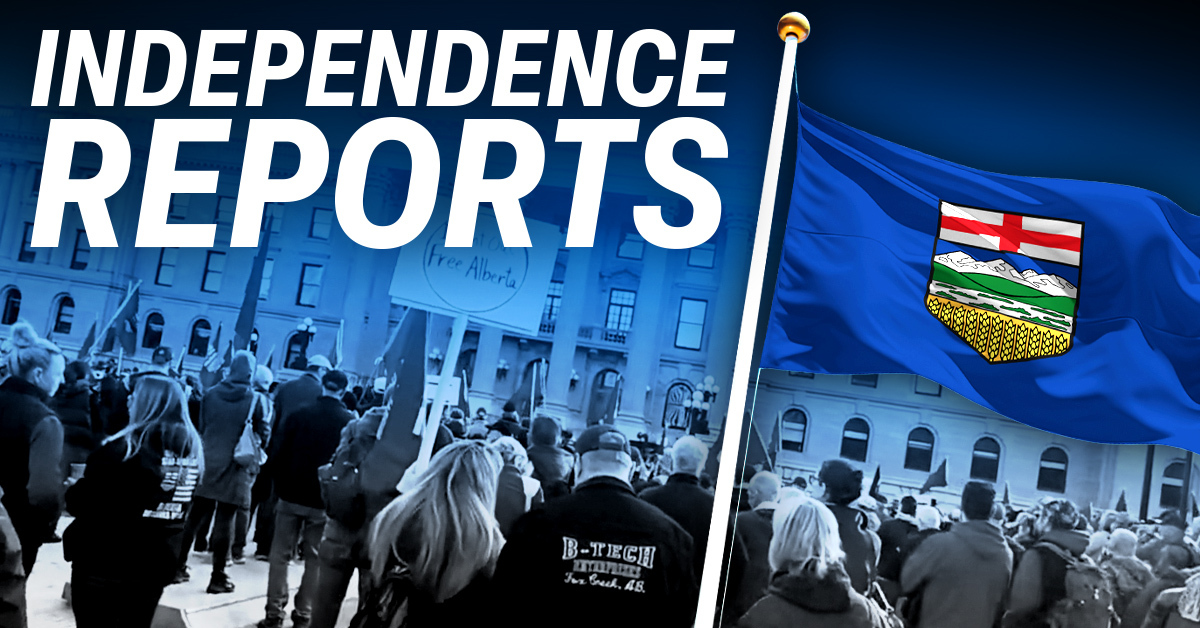

Alberta fact check: No, Carney. Quebec's rules don't change when Alberta uses them
Rules that apply only when one province uses them are not really principles. They're preferences — and preferences have a funny way of changing depending on which province is asking the question.

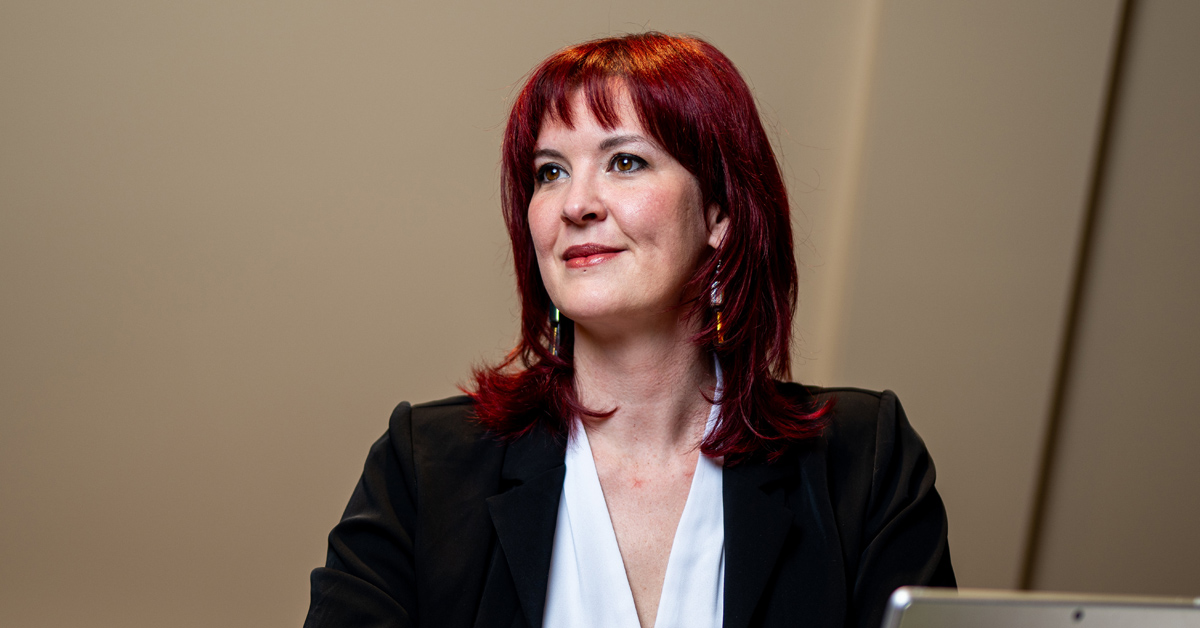
Bloc Québécois House Leader Christine Normandin says Albertans alone should decide Alberta's future, just as Quebecers alone should decide Quebec's future, and that Ottawa should not dictate the referendum question.
On this point, she's largely right — and history is awkwardly on her side.
Bloc Quebecois house leader Christine Normandin says Albertans are the only ones who can decide on their future in Canada, just like no one can have a say on Quebec's future except Quebecers.
— Courtney Theriault (@cspotweet) May 25, 2026
Adds that federal government should not have any say on vote or the choice of… pic.twitter.com/GN3fFVCt4K
For decades, federal parties accepted the principle that Quebecers had the right to ask constitutional questions about their future.
Quebec held sovereignty referendums in 1980 and 1995, and although the rest of Canada had enormous stakes in the outcome, Quebecers themselves determined whether the question would go before voters.
PM Carney: "Is it helpful to ask these fundamental questions? No, it's not helpful. Of course it's not. Is it the democratic will of Albertans? Did they vote for this in the last provincial election? No, they didn't. It wasn't on the ballot paper, it wasn't in the mandates or… pic.twitter.com/uKp2Ym0Wq8
— Scott Robertson (@sarobertson_) May 25, 2026
Nobody suggested Ontario should get a vote on Quebec's future. Nobody argued Alberta should cast ballots on Quebec sovereignty. The principle was that the people directly affected would decide whether they wished to proceed.
The irony now is watching some federal voices suddenly discover concerns about referendum wording, legitimacy and democratic process when the conversation shifts west.
To be clear, after the narrow 1995 result, Ottawa later introduced the Clarity Act, giving the House of Commons authority to assess whether a future referendum question and majority were sufficiently “clear” before entering negotiations.
So technically, the federal government does claim some role AFTER a vote under existing law.
PM Carney on Danielle Smith’s question on a question: “We have an obligation as the federal government to look at the question and determine whether it's consistent with the Clarity Act — that is underway.” pic.twitter.com/Lt1lLg1PBR
— Scott Robertson (@sarobertson_) May 25, 2026
But even the Supreme Court's Quebec Secession Reference did not say Ottawa gets to veto political discussion itself or prevent voters from expressing their views. The Court said a clear expression of democratic will creates an obligation to negotiate.
The broader point remains: if the principle was Quebecers decide Quebec's future, it becomes difficult to argue Albertans cannot even ask Albertans a question.
And there is another uncomfortable wrinkle for Ottawa.
When Quebec raised sovereignty, Canadians were repeatedly told that allowing a vote was democracy. Today, some of the same political culture appears to be treating the mere act of asking Albertans a constitutional question as reckless or dangerous.
Rules that apply only when one province uses them are not really principles. They're preferences.
And preferences have a funny way of changing depending on which province is asking the question.
Sheila Gunn Reid
Chief Reporter
Sheila Gunn Reid is the Editor-in-Chief, Alberta Bureau Chief, member of the board of directors, and host of The Gunn Show at Rebel News. Sheila also serves as President of the Independent Press Gallery of Canada. A mother of three and longtime conservative activist, Sheila is the author of bestselling books, including her most recent release, Independence Blueprint: What Alberta Can Learn From Quebec.
https://mybook.to/sheilaFeatured Stories


14:26


COMMENTS
-
 Bernhard Jatzeck commented 2026-05-26 15:38:37 -0400A Quebec separatist defending Alberta’s desire for self-determination….. That’s quite a pleasant change, isn’t it?