


Steel industry group warns plan is needed to respond to U.S. tariffs
The president and CEO of the Canadian Institute of Steel Construction warns that tariffs could push steel manufacturers to lay off employees.

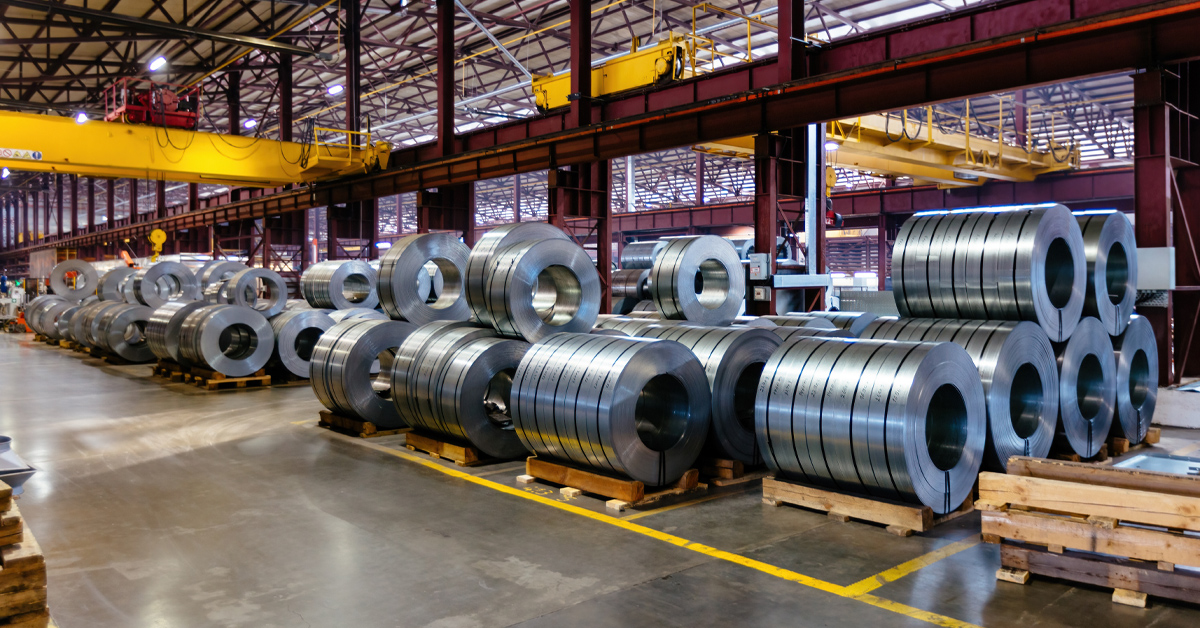
Canada needs to develop a plan to address the effects of tariffs on steel and aluminum, says the president and CEO of the Canadian Institute of Steel Construction.
“We do have to stay strong and certainly exact as much pain as we can from the United States on this, but certainty we need a plan,” Keanin Loomis told CTV News.
“We need to have a real focus on domestic procurement while we’re trying to maintain our access to the U.S. markets,” he said.
“We need to know that projects that are being done here, infrastructure dollars that are being spent here, especially taxpayer dollars that are being spent here, are using Canadian fabricators and Canadian steel to the best extent possible.”
Following his election win, which focused heavily on reshoring businesses to the U.S., President Donald Trump imposed tariffs on a number of international industries. In March, the U.S. placed a 25% tariff on Canadian steel and aluminum, with Canada then rolling out a 25% retaliatory tariff in response.
By June, the U.S. tariffs on Canadian steel and aluminum doubled to 50%.
“I know that many of the steel producers in Canada have been really adamant to not lay off parts of their workforce, and thus far, we haven’t seen a lot,” Loomis said in the CTV interview.
“But this might be the thing that puts us over the edge and calls into question the short to mid-term sustainability of our operations,” he warned.
According to Alberta's premier, the primary concern for the American administration is about Chinese steel making its way to Canada and Mexico and before heading to the U.S.
“I think that what the Americans are concerned about is Chinese steel coming into the Canadian and Mexican market and being dumped into the U.S.,” Danielle Smith told reporters last week, as she suggested Canada's tariffs on Chinese electric vehicles weren't an area the Trump administration was worried about.
In responding to tariffs, Smith said Alberta would explore how it could purchase more made-in-Ontario vehicles.
“If we're going to see a fewer number of finished cars in Ontario headed for the U.S., then we should look at changing our own purchasing practice so that we can support each other,” the Alberta premier said, encouraging other provinces to do the same.
Loomis, meanwhile, cautioned that there's little Canada can do in terms of economic retaliation.
“It’s hard for us as Canada to exert the type of pressure that we need, but (we can) help Americans wake up to the fact that this is punishing them as much as it is us,” he said, adding that ultimately, “the change is going to come from the inside.”
Featured Stories

05:10

13:48


COMMENTS
-
 Fran g commented 2025-10-30 18:06:07 -0400carnage is an idiot!
 -
Bernhard Jatzeck commented 2025-10-20 20:58:40 -0400Huh? Didn’t Carney tell us “Who uses steel?”
-
Bruce Atchison commented 2025-10-20 19:53:16 -0400All this is due to stupid voters being spooked by Trump and falling for Liberal baloney. If people really thought in stead of felt, Pierre Poilievre would be prime minister and all the tariffs would be gone.

