


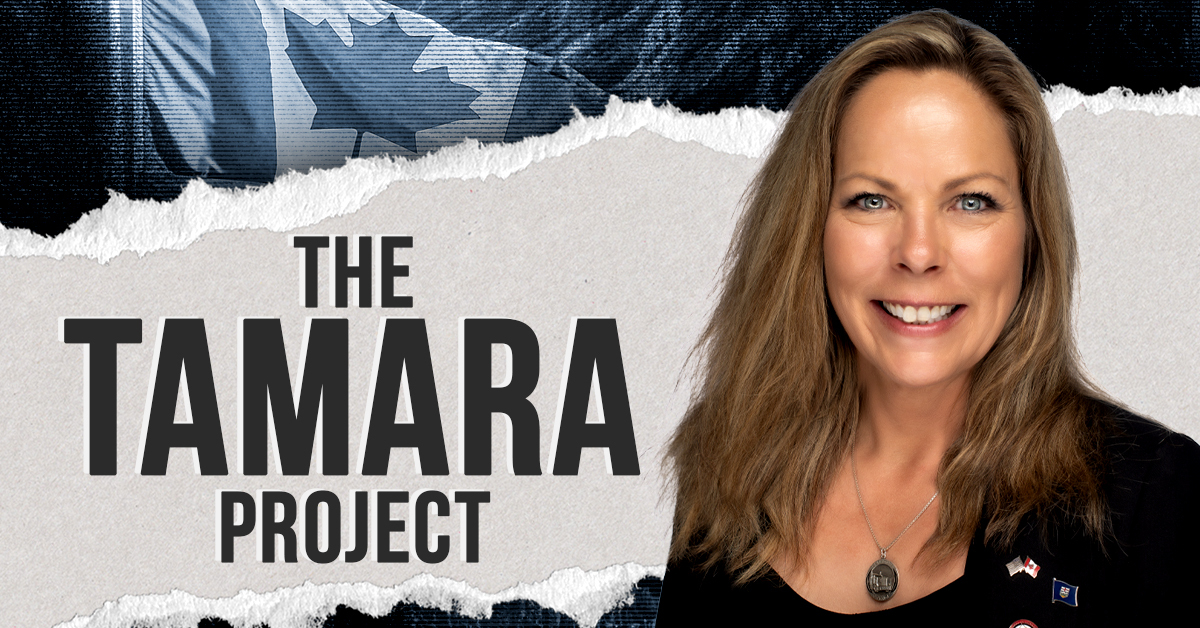

The case ended in 2022. The prosecution didn't.
A Freedom Convoy protester whose charges were stayed in 2022 is back in criminal court over the release conditions from that case.


In July 2022, every charge against a woman arrested at the Freedom Convoy protest in Ottawa was stayed. Mischief, disobeying a court order, obstructing a peace officer — all of it stopped. The Crown never brought the charges back.
That should have been the end of it.
Four years later, she is being prosecuted for allegedly breaching the release conditions attached to that case. She is back in criminal court over the conditions of a case that ended in 2022.
The Democracy Fund (TDF) represented her in 2022 and is defending her again at no cost to her. “In the eyes of the law, that case is over,” said TDF Litigation Director Adam Blake-Gallipeau. The breach charge is only an allegation, and she is presumed innocent. But the more basic question is why this prosecution exists at all.
Consider what else is waiting for court time. Ontario’s courts are struggling to hear serious matters within the limits the Supreme Court set in R. v. Jordan. TDF cites Ontario Ministry of the Attorney General data showing more than 580 criminal cases stayed for unreasonable delay between 2016 and the end of 2023, including 145 sexual assault cases and one homicide. In 2023 alone, 59 sexual assault cases were stayed because they couldn’t get to trial in time. Across Canada, a CBC tally found at least 268 sexual assault cases stayed for delay since Jordan was decided in 2016.
Against that backdrop, Blake-Gallipeau points to a question of priorities. Every hour of judge, Crown and courtroom time spent on a resolved protest file, he argues, is an hour taken from a case that matters to public safety.
Parliament and the Supreme Court have both tried to steer the system away from charges like this one. In 2019, Parliament created a way to deal with breaches that harm no one without a full criminal trial. A year later, in R. v. Zora, the Supreme Court warned that breach charges can trap people in a cycle of prosecution.
The logic is hard to dodge. Victims are told there isn’t enough court time, yet there is apparently enough to drag a peaceful protester back into court over conditions from a file that closed in 2022.
The right to peaceful assembly is in the Charter. It shouldn’t come with a four-year tail.
About The Democracy Fund
The Democracy Fund is a Canadian charity founded in 2021 to defend constitutional rights, free speech and religious freedom, and to oppose religious discrimination. It does this through litigation, public education and access-to-justice programs for Canadians whose civil liberties have been infringed.
TDF receives no government funding. Its work, including this protester’s defence, is made possible entirely by supporters. To help TDF defend peaceful protesters and the right to assembly, donate today.
Tamara Lich
After becoming a central figure in the 2022 Freedom Convoy protests in Ottawa, Tamara Lich emerged as one of the most recognizable voices challenging Canada's pandemic response. As the federal government invoked the Emergencies Act, Lich found herself at the centre of a national debate over civil liberties and government power. She is also the author of the bestselling book Hold The Line: My Story From The Heart of The Freedom Convoy. Now reporting for Rebel News, she covers politics, government actions, and grassroots movements across Canada.
https://www.theconvoybook.com/Featured Stories


19:03


