

Did the Cowichan land ruling get it wrong? Michelle Stirling breaks down the case shaking B.C. property rights
A landmark British Columbia court decision has sent shockwaves through the province’s property system, and now investigative writer Michelle Stirling is asking a blunt question: was the Cowichan case wrongly decided?

BECOME A MEMBER

Stirling joins the show to discuss her deeply researched article examining the controversial ruling in Cowichan Tribes v. Canada, a 2025 B.C. Supreme Court decision that recognized Aboriginal title over land in the city of Richmond.
The ruling declared that Aboriginal title can exist as a “prior and senior right” to other property interests, even where government-issued titles already exist. That conclusion stunned legal observers and property owners alike, because British Columbia’s land system has long operated under the Torrens model, where a registered title is meant to provide final and conclusive proof of ownership.
Stirling’s article digs into the historical evidence behind the case and raises questions about whether the court relied on fragile foundations. Drawing on research by historian Nina Green, she examines key documents cited in the ruling, including records from the 1800s that she says are missing or exist only through later references.
If those documents are unreliable, Stirling argues, then the factual basis for declaring Aboriginal title in this case may deserve closer scrutiny.
But the implications go far beyond one legal dispute.
If the decision stands, critics say it could introduce uncertainty into B.C.’s entire property system, raising questions about mortgages, land transactions, municipal authority, and how private property rights coexist with historic Indigenous claims.
Stirling walks us through the evidence, the legal arguments, and why she believes Canadians should pay close attention as the Cowichan decision moves through the appeal process.
Because when a court ruling potentially reshapes how land ownership works in Canada, the consequences reach far beyond one corner of Richmond.
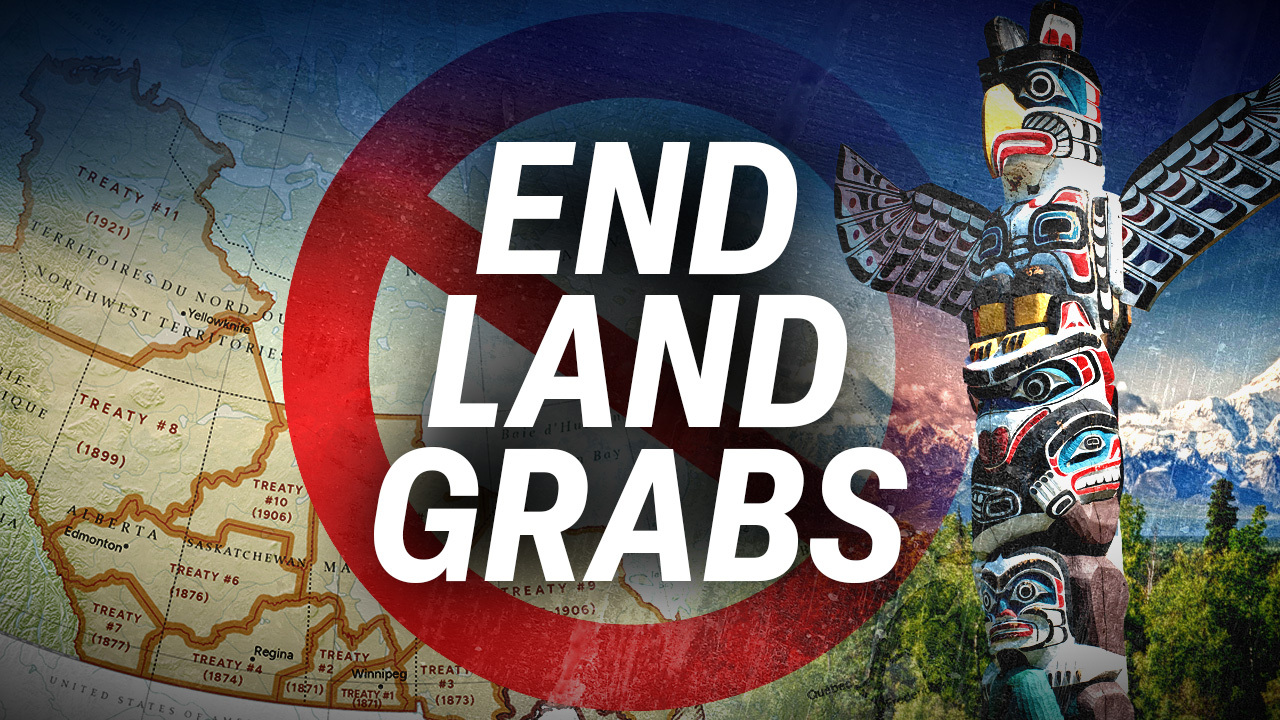
Please sign our petition to stop UN-driven land seizures and protect Canadian property rights!

COMMENTS
-
 Lib Ferguson commented 2026-08-24 00:09:32 -0400The mainstream would never question residential school claims.
 -
Lib Ferguson commented 2026-08-24 00:00:46 -0400Thank you Nina Green. You have shed light on these issues.
-
Bruce Atchison commented 2026-03-11 23:27:01 -0400Remember that American climate groups influence indigenous bands. Given a vote, how many native folks would vote for projects and to dispel the myth of dead bodies on residential properties. The mere fact that the Camloops band still haven’t excavated that apple orchard shows they really don’t believe there are bones there.