



Canada turns back more than 1,300 asylum seekers under U.S. border pact
CBSA defends enforcement as lawyers raise family-separation cases involving claimants arriving from the United States.


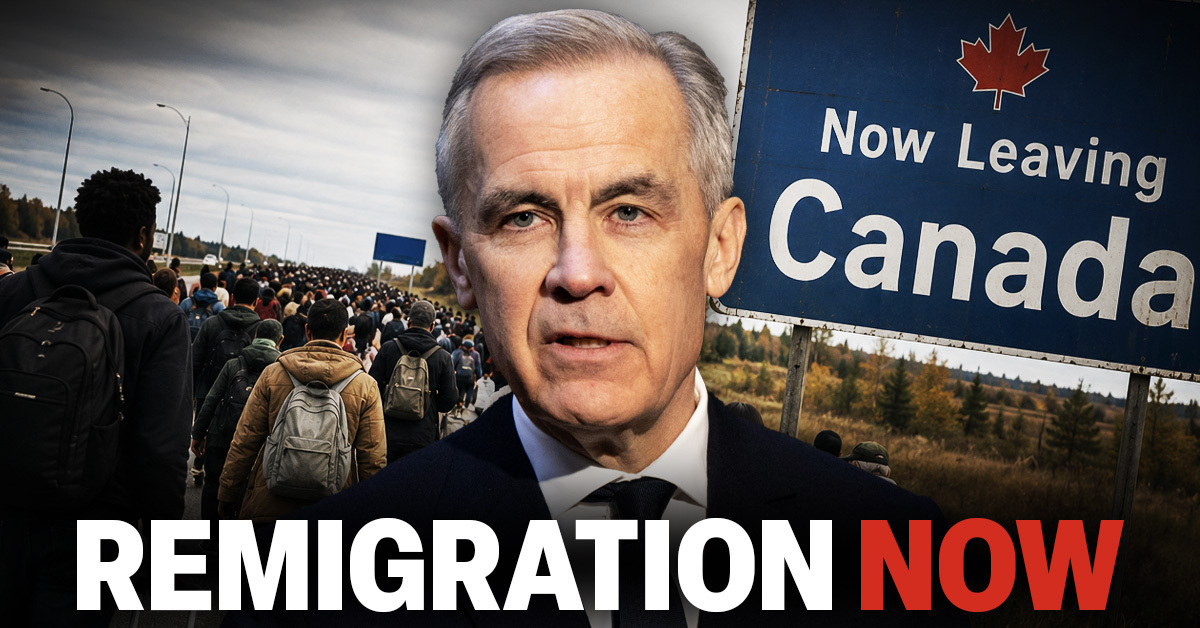
Canada turned away more than 1,300 people at the U.S. border between Jan. 1 and Nov. 16 after officials found them ineligible to claim asylum under the Safe Third Country Agreement, according to a New York Times report published Nov. 24.
Many of those turned back were Haitians who headed north after the United States ended their Temporary Protected Status this summer.
The agreement works on a simple premise: people who are already in a safe country should seek protection there, rather than travel on to the country of their choice. Under its published rules, claimants arriving from the United States at the land border are returned unless an exception applies. Since March 2023, the pact has also covered people who cross between official ports of entry and make a claim within 14 days.
The Times report focused on families split when some members qualified to enter Canada and others did not. It said there is no official count of how many families have been separated, citing lawyers who know of dozens of cases.
The Canada Border Services Agency told the newspaper it "does not separate families who arrive together at the Canadian border."
"The family has the option to return together to the United States to preserve the family unit," agency spokesperson Rebecca Purdy said. "Otherwise, the eligible family members may choose to proceed into Canada, knowing that this will result in separation."
The agreement's exceptions cover qualifying family members, unaccompanied minors, people holding certain Canadian documents, and cases in the public interest. Canada's definition of a family member includes spouses, parents, children, siblings and certain other relatives, but not in-laws. Meeting an exception does not exempt a claimant from Canada's other eligibility rules.
Ottawa's recent asylum overhaul left the border pact in place. As Rebel News reported on Nov. 3, the new regulations changed paperwork, deadlines and screening, including checks meant to catch fraud and security concerns before cases reach a hearing, but did not change how the agreement applies to claimants.
The pact continues to face legal challenges from refugee advocates, which Rebel News covered in June. For now, IRCC says the agreement and its Additional Protocol remain in force, and Canada still designates the United States as a safe third country.
Yanky Pollak
Videographer
Yaakov “Yanky” Pollak is an energetic community activist. Yaakov has been involved in many political campaigns, loves photography, and enjoys spending some free time at the shooting range. Originally from Montreal, Yanky escaped Canadian tyranny moving to the free state of Florida during the pandemic of 2021.
http://mediajuif.com/Featured Stories


05:24


