



Cobourg rejects encampments and drug use in parks to protect families and kids
The once-sleepy small town is pushing back against social-services language in its Parks Master Plan after residents demanded safer public spaces for families and law-abiding citizens.

In a province grappling with proliferating encampments, open-air drug use, and street disorder, the small lakeside town of Cobourg is drawing a line.
Residents say the playgrounds are for kids, not encampments, and some local leaders are vowing to reclaim public spaces for families, seniors, and law-abiding citizens.
Frustration over drug-fueled criminal activity, open-air drug use, and a controversial draft Parks Master Plan has boiled over into public outcry in the small town about 100 kilometres east of Toronto.
The plan, which was paid for by taxpayers and drafted by consultants, initially included harm-reduction language that many criticized for normalizing illegal activity in parks rather than prioritizing safety and intended uses.
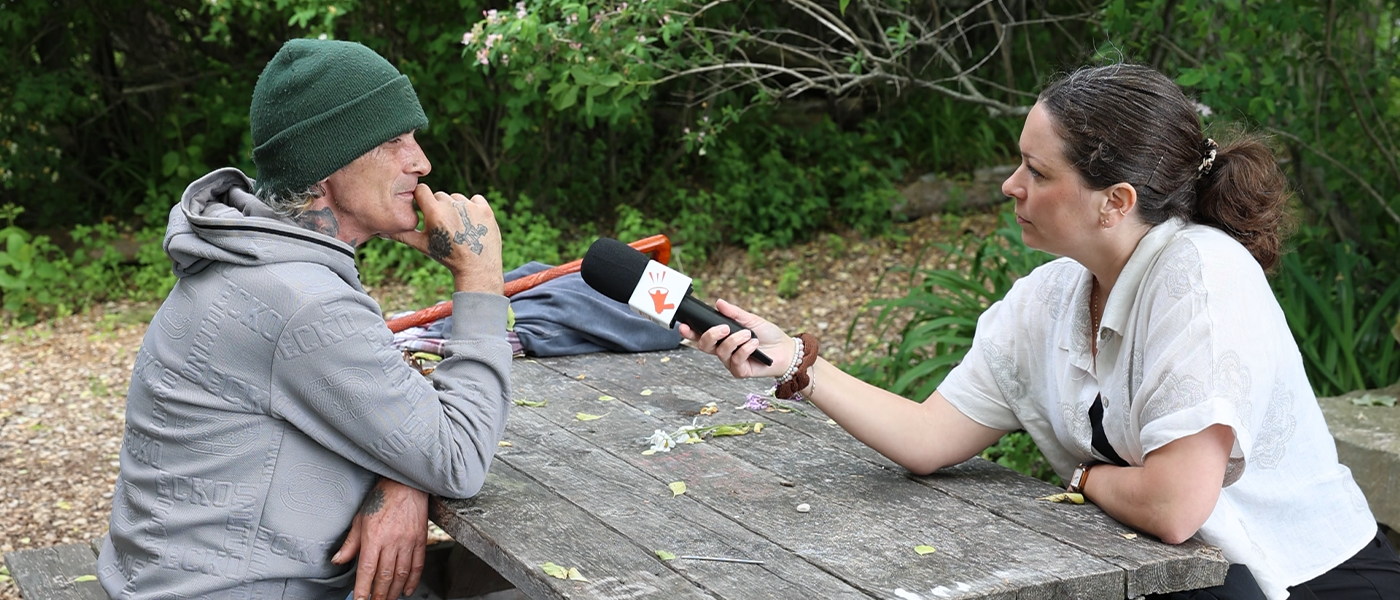
One homeless individual captured (and confirmed) the growing public safety concern amid rising homelessness and drug-fueled criminality: “The homeless are stealing from the homeless people. It’s getting that bad.”
“The playgrounds are for the kids,” a woman added bluntly.
“I don’t like to walk alone along the waterfront on the boardwalk…” said one senior.
One mom expressed concern about taking her children to local parks and the beach playground, noting that finding paraphernalia has become the norm.
Mayor Lucas Cleveland, who has faced personal attacks for opposing the normalization of illegal activities, stood firm.
"Four years ago, I took a stance that said ‘no, we shouldn’t be normalizing illegal activities,' and since then, I have been attacked every step of the way... We don’t build houses in parks… This should not be a debate. Embedded in the park's master plan is language that normalizes drug use, that says things like 'encampments are not a long-term solution.' Does that make them a medium or short-term solution in our parks? Parks have nothing to do with human rights or housing."
Councilor and Chair of the Cobourg Police Service Board, Adam Bureau, acknowledged that public pushback worked. “The language has already been changed, and it won’t come in the final draft that way.”
He notes the hiring of a new Police Chief, Chris Leather, as a potential source of safer streets in Cobourg. "Like he said in his press conference, he will be making sure that the parks and the downtowns are safe," Bureau said, noting, "I think we've got a new way, a new model of policing that's coming forward.”
Meanwhile, there’s an emergency shelter at 310 Division Street called Transition House that is supposed to be a fix for this, but residents expressed mixed views on that as a solution.
One homeless man who tried it called it “a hit and miss.” Another said, “There’s too many rules. It’s like a prison. We like our freedom.” Overcrowding and feeling as though it doesn’t address real-life challenges upon exit were other concerns.
Another man who raised a family and put children through university voiced broader economic pressures: “I’ve owned two houses in my life, raised a family… I worked overtime seven days a week, and it worked, but I couldn’t do that now.” For now, he tries to keep a low profile, sleeping where he can.
Another resident questioned harm reduction approaches: “I don’t think that they should be providing drugs to the people who take them. They should be giving them help to get back into society… A lot of [homeless individuals] are fine, great people. It’s so expensive to live in Canada.”
The mayor described the Parks Master Plan as a vision for recreation, not social services. “We do not want to do anything that welcomes, encourages, or makes it acceptable to commit illegal acts in our public spaces… Our parks are not meant for illegal activity.”
He noted provincial backing under the Safe Municipalities Act, which treats illegal drug use in parks as punishable by up to six months in jail or a $10,000 fine, and upcoming legislation empowering the province to direct local policing.
Councillor Bureau and residents alike called for stronger advocacy to higher levels of government for systemic fixes beyond local capacity. “It has to come from the federal and provincial government,” he said.
As Cobourg moves forward with its Parks Master Plan, the message from the community is clear: public spaces must remain safe for children, families, and seniors — not sites for open drug use or encampments.
Featured Stories



COMMENTS
-
Bruce Atchison commented 2026-06-16 22:36:29 -0400Normalizing decline is what our misleading leaders are all in for. They don’t live in our world and they don’t have to deal with the fall out of their stupid ideas.