


CBSA says hundreds of violent foreign criminals slated for deportation remain at large
Data shows that out of hundreds facing deportation, at least 46 of them evaded removal for over two years, 315 for more than three years, and 18 for over a decade.

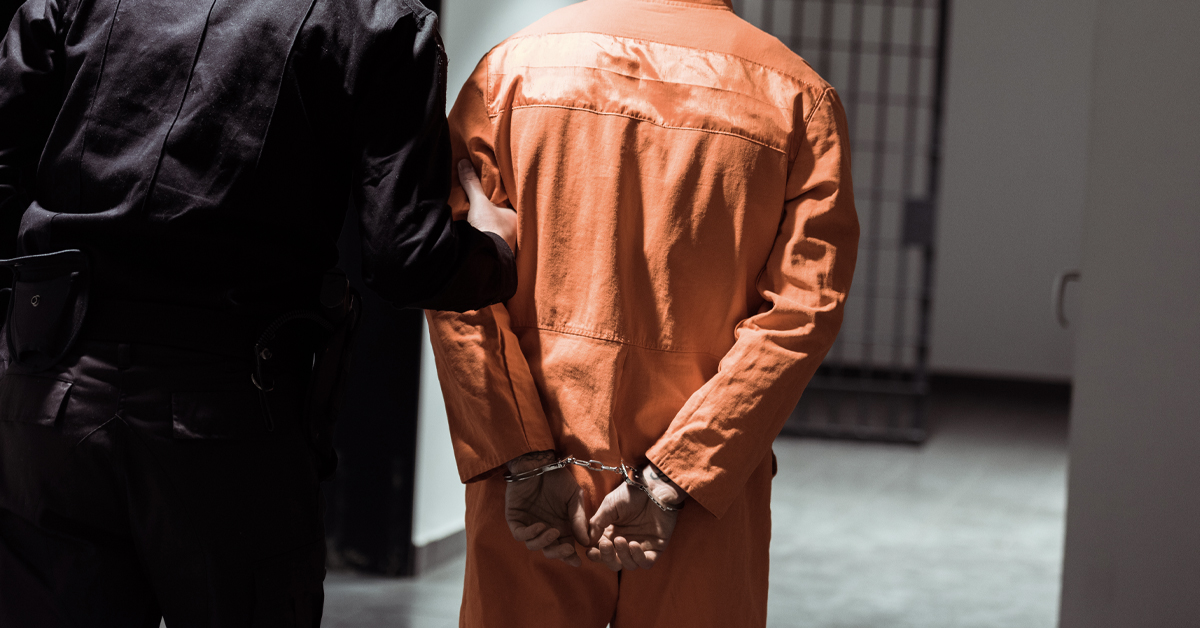
Canadian border agents are attempting to locate nearly 600 foreign nationals with criminal records who are slated for deportation but have disappeared. Of these, 431 have been convicted of serious offenses, including sexual assault.
Luke Reimer, a spokesperson for the CBSA, told the Globe and Mail that individuals slated for deportation due to criminal activity are removed from Canada "as soon as possible to ensure the protection and safety of Canada and the Canadian public."
Border officers routinely check warrants to find wanted individuals or confirm their departure from Canada, according to Reimer. However, some manage to avoid apprehension.
Canada’s border agents have lost track of 29,730 “wanted” people, revealed a cabinet inquiry. Most went missing in Ontario, it said.https://t.co/Lz88Y26zFG
— Rebel News (@RebelNewsOnline) December 12, 2024
Out of 1,635 foreign nationals convicted of crimes in Canada and awaiting deportation, 599 have evaded removal by failing to appear for their deportation hearings, landing them on the Canada Border Services Agency's "wanted" list.
CBSA data reveals that out of these individuals, 315 have avoided deportation for over three years, and 46 for more than two years.
Of the foreign nationals slated for deportation, 401 are incarcerated and will be deported upon release. Additionally, 18 have been at large for decades but remain on CBSA's "wanted inventory."
Reimer explained that "individuals subject to immigration enforcement have an incentive not to be found and may rely on family and community members to shelter them. Additionally, some individuals may resort to using alternate identities to avoid detection."
Michelle Rempel Garner, the Conservative immigration critic, questioned the government's "lack of political will" in tracking down these individuals. Meanwhile, CBSA reported that 29 such individuals are currently detained and facing deportation.
Conservative Immigration Critic Michelle Rempel Garner slammed the out of control immigration system as 129,000 temporary residents remain in Canada illegally.
— Rebel News (@RebelNewsOnline) July 23, 2025
READ MORE: https://t.co/CX5Mlgq2yY pic.twitter.com/gG5wSIxw3U
Foreign nationals are “expected to respect the conditions of their entry and depart at the end” of their stay, a CBSA spokesperson told Bloomberg News last year. Should they refuse to comply, the agency may seek an exclusion order, rendering detention as a “measure of last resort."
Public objections ended the agency’s detention of high-risk offenders in provincial prisons, and federal prison plans were dropped. CBSA now uses immigration holding centers in Laval, Toronto, and Surrey.
Most awaiting deportation are supervised in the community, some with electronic monitoring or reporting requirements. Detainment occurs if they pose a public danger or are unlikely to appear, Reimer explained.
Last December, three Chilean nationals suspected of being part of a criminal association specializing in home theft reportedly escaped from the Laval detention center while awaiting deportation.
Premier @ABDanielleSmith tells Rebel reporter Alex Dhaliwal
— Rebel News (@RebelNewsOnline) December 13, 2024
(@WestCdnFirst) it's news to her that 705 people due for deportation are reportedly missing in Alberta.
Smith says the issue is federal and will require a "robust strategy" to ensure "individuals leave the country when… pic.twitter.com/YYuiXuzeds
Recent immigration data reveals that 29,730 individuals ordered for deportation in Canada remain unlocated as of October 21, 2024, with the majority in Ontario (21,325), followed by Québec (6,109), British Columbia (1,390), and Alberta (705). Mexican nationals are the largest group of missing deportees (7,622), followed by Indians (3,955), Americans (1,785), Chinese (1,516), Pakistanis (864), Nigerians (858), and Colombians (794).
In 2021, 469 foreign criminals were reported missing, and 457,646 deportation orders were issued, with 378,320 still monitored.
Former Prime Minister Justin Trudeau tightened visa requirements for Mexicans and reduced immigration targets on November 25, 2024, in response to rising concerns about deportation evasion.
CAUGHT THEM! Our journalists set up trail-cams at the Canada-U.S. border.
— Ezra Levant 🍁🚛 (@ezralevant) July 28, 2025
In four days they filmed 34 people crossing illegally — mainly Haitians sneaking into Canada before Trump deports them. Great investigation by @lincolnmjay & @ThevoiceAlexa pic.twitter.com/3HzbBsdz8O
Canada faces growing pressure to strengthen its borders and apprehend foreign national criminals, especially after U.S. President Trump voiced concerns about Canada admitting criminals.
Ottawa classified seven transnational criminal gangs, including Mexican cartels, as terrorist entities in February and allocated $1.3-billion to enhance border security and combat trafficking.
Last year, a Jordanian national was deported by the U.S. after crossing illegally from Canada where he was on the run from CBSA officers.
From 2011 to 2023, the CBSA's "Wanted" webpage displayed 159 high-risk offenders' mug shots to gather public tips, though it has been removed due to "evolved investigative tools."
Alex Dhaliwal
Journalist and Writer
Alex Dhaliwal is a Political Science graduate from the University of Calgary. He has actively written on relevant Canadian issues with several prominent interviews under his belt.


COMMENTS
-
 Bernhard Jatzeck commented 2025-07-29 21:43:02 -0400But, say something “mean” on the Internet and they know who and where you are with supercomputer speed and GPS accuracy.
 -
Bruce Atchison commented 2025-07-29 19:54:56 -0400These CBSA folks need to be purged of all who mess up. Failure must NEVER be incentivised.

