

House arrest for suffocation: Has Canada lowered the moral bar on killing?
As MAID eligibility broadens and care gaps widen, a lenient sentence in an Ottawa manslaughter case raises questions about euthanasia expansion, caregiver burnout and accountability in a strained healthcare system.

How did we get here?
There was a time in this country when taking someone’s life — even out of desperation, even wrapped in a tragic love story — was called what it was: homicide.
Now it’s house arrest.
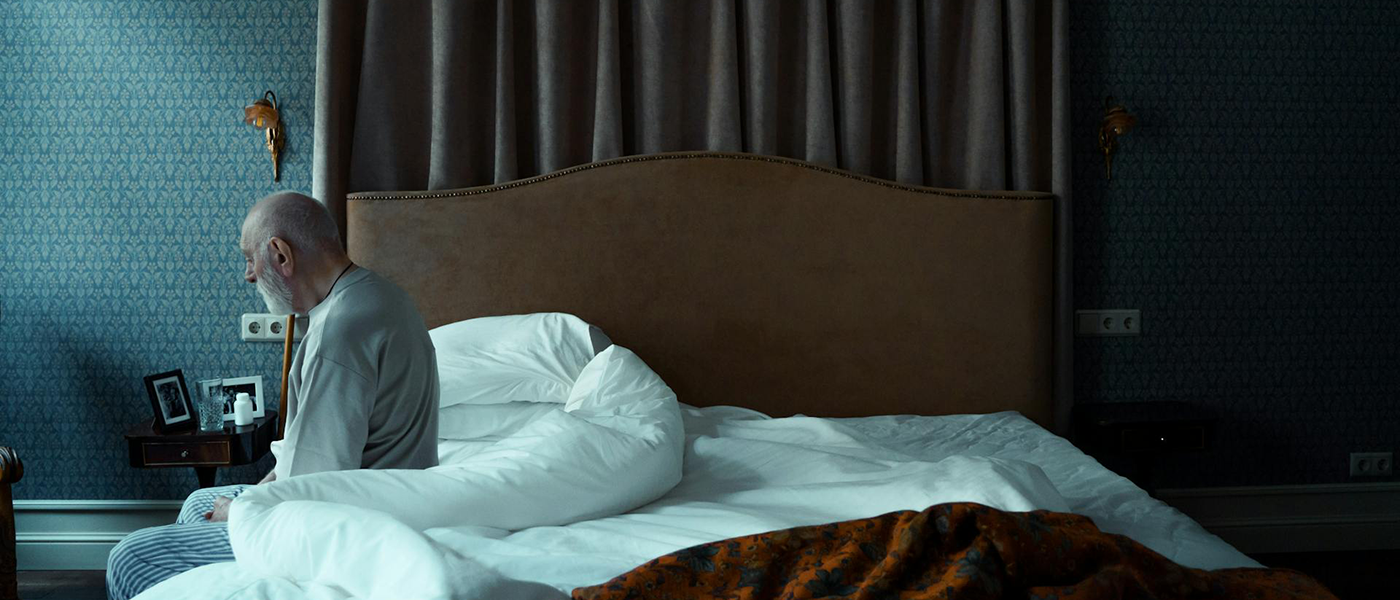
An Ottawa judge has sentenced a 73-year-old man to two years less a day at home for suffocating his husband with an incontinence pad. He pled guilty to manslaughter. The Crown wanted six years. He got Netflix and grocery runs.
And we’re told this is “very challenging.”
No. What’s challenging is watching Canada drift from legal euthanasia — already sold to us as compassionate, rare, tightly controlled — to something far darker: normalization.
First, we were told MAID was for the terminally ill.
Then, for the chronically ill.
Then, for mental illness.
Then, for people who can’t access adequate care.
And now? A judge openly frames a killing as an “assisted-suicide mercy killing” because the caregiver was exhausted and believed there were no options.
Read that again.
The victim had been deemed incapable of making decisions about long-term care. But somehow still capable of asking to die. The system failed. The caregiver burned out. The wait times were long. The pandemic made everything harder.
And the solution?
Suffocation — followed by house arrest.
We are watching the quiet merger of healthcare failure and homicide mitigation.
This is what happens when the state normalizes euthanasia as a solution to suffering instead of fixing the suffering.
Palliative care has waitlists. Long-term care beds are scarce. Families are abandoned to cope alone.
We’ve created a culture where death becomes the pressure valve for systemic incompetence.
And let’s talk about proportionality. Peaceful Freedom Convoy protesters faced crushing financial penalties, frozen bank accounts, drawn-out prosecutions, and conditional sentences with strict terms.
Here? A man admits to ending a life. The judge says there is no punishment harsher than his grief.
I don’t doubt the grief. I don’t doubt the exhaustion. I don’t doubt the tragedy.
But law is not therapy.
Compassion cannot replace accountability.
If we accept that killing someone can be justified because care was hard to access, burnout was real, and the system was slow, then we are not just excusing one act.
We are lowering the moral floor of the country.
This isn’t about condemning a broken man.
It’s about confronting a broken system that increasingly treats death as a service option.
Canada once recoiled at the idea of euthanizing the vulnerable. Now we debate expanding eligibility and quietly reducing sentences when people take it into their own hands.
If that's progress, I don't want it.
We have a publicly funded healthcare system where we're all supposed to suffer equally in wait lines. And we're supposed to be proud and defensive of that fact. Morally superior, actually.
If the state cannot provide care and cannot meaningfully punish those who bypass it, then what exactly are we defending?
Because when killing becomes understandable, it doesn’t stay exceptional for long.
If you agree that medical assistance in dying is not a cure for depression, poverty, or despair, please sign this petition.
Sheila Gunn Reid
Chief Reporter
Sheila Gunn Reid is the Editor-in-Chief, Alberta Bureau Chief, member of the board of directors, and host of The Gunn Show at Rebel News. Sheila also serves as President of the Independent Press Gallery of Canada. A mother of three and longtime conservative activist, Sheila is the author of bestselling books, including her most recent release, Independence Blueprint: What Alberta Can Learn From Quebec.
https://mybook.to/sheilaFeatured Stories


14:26


COMMENTS
-
Bruce Atchison commented 2026-02-23 19:54:14 -0500Welcome to the new dark age. Evil goes from strength to strength. And since evolution proposes the survival of the fittest, the week are being murdered.
-
 Paul Scofield commented 2026-02-22 22:47:12 -0500Why is this sounding more and more like something out of Soylent Green? I wonder if the MAiD ghouls give their customers the full 20 minutes video viewing on how great Canada once was before the administered coup de grâce kicks in.