Ottawa-region anticipates 24,000 public service job cuts by 2028: report
Carney will double his election pledge with massive public sector cuts, a move Poilievre suggests cost him his riding during the recent snap election.

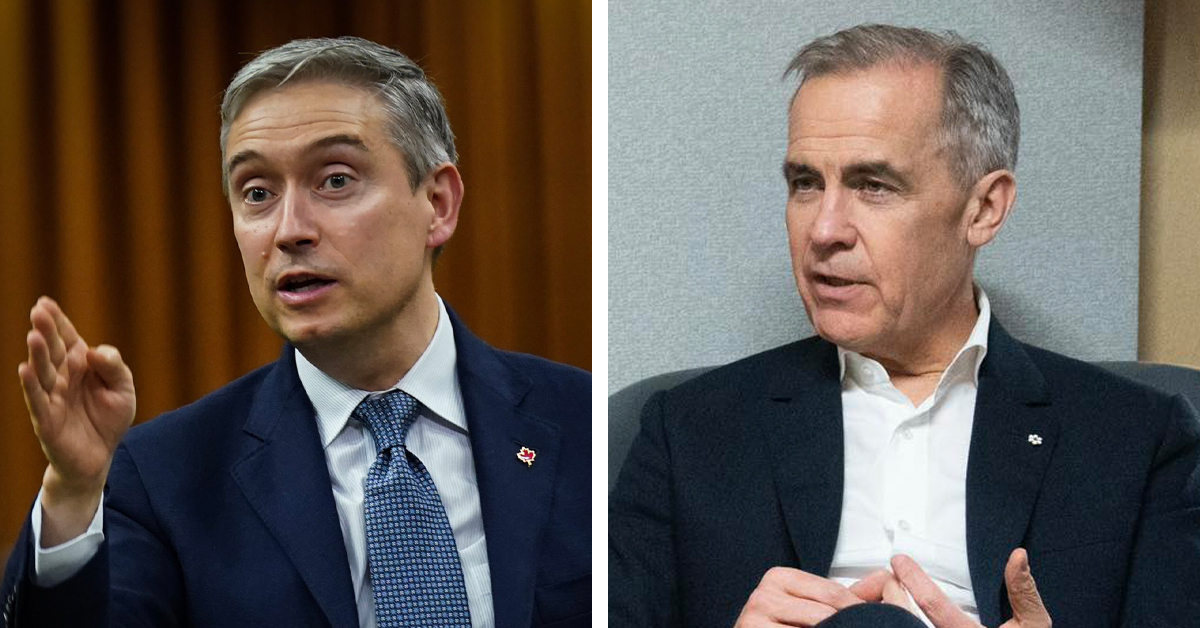
Ottawa plans to cut costs, potentially leading to a reduction of 57,000 federal public service jobs over the next four years, according to a new report from the Canadian Centre for Policy Alternatives.
During the election, Prime Minister Mark Carney promised to cap public sector jobs and enhance productivity. Subsequently, his finance minister instructed cabinet to identify departmental cuts totalling $25 billion (15%) by 2028/29, a figure nearly double the Liberal Party's initial campaign pledge.
Recent job cuts at the Canada Revenue Agency, Employment and Social Development, and Immigration, Refugees and Citizenship Canada foreshadow tens of thousands of impending job cuts across these three federal bodies alone.
Between 2016 and 2023, the federal government added 98,986 employees, bringing the total number of federal bureaucrats to 357,965, according to data from the Treasury Board of Canada Secretariat.
The size of Canada’s federal bureaucracy has surged by nearly 99,000 employees over the last decade, even as the country grapples with record-high debt and affordability challenges.
— Rebel News (@RebelNewsOnline) May 30, 2025
MORE with @SheilaGunnReid: https://t.co/GoVafGEyBK pic.twitter.com/F66b6UVcyE
David MacDonald, a senior economist with the Centre, told CTV News that job cuts in the National Capital Region will be an estimated 24,000 by 2028, excluding the Department of National Defence, the Canada Border Services Agency, and the RCMP.
Others exempt from the proposed cuts include “agents of Parliament,” the Courts Administration Service and the Office of the Registrar of the Supreme Court of Canada, reported CTV News.
Macdonald's report indicates that ministers have discretion in implementing the cuts, which will initially impact all term and casual employment, predominantly affecting younger workers.
“For instance, a department may propose to cut fewer than 15 per cent of their staff, but that means other budget items will have to be cut by more than 15 per cent to make up the difference,” it says.
Indeterminate employees may be subject to workforce adjustments, including potential layoffs. These measures are reportedly a result of substantial increases in military spending and middle-class tax cuts.
Pierre's plan would cut 100,000 public service jobs over 10 years, at a time when we need all hands on deck to defend our country from Donald Trump's trade war. Carleton, you deserve better. Monday is Election Day. Make your vote count.#FanjoyVsPoilievre pic.twitter.com/tjl2yYH3G4
— Bruce Fanjoy 🍁 (@brucefanjoy) April 25, 2025
Pierre Poilievre, who also ran on public sector cuts, speculates that he lost his Carleton riding in the last election for this reason. “That’s the only way you bring down taxes and deficits, and I was honest about that, and the people in that particular constituency voted accordingly,” he said.
Last year, 10,000 public sector jobs were cut, with a potential 7,000 more this year. PBO Yves Giroux expects a definitive answer in the Liberal government's fall budget.
These proposed cuts by the Carney government follow previous reductions in Budget 2023, whose full financial effects will be seen in 2026-27.
“The government is broke and Canadians can't afford to keep paying for the bloated federal bureaucracy,” Franco Terrazzano, CTF Federal Director, told Rebel News, noting that the government isn't supposed to be a white collar welfare scheme.
The number of federal employees making over $100,000 a year increased by an astonishing 45,426 during the pandemic.
— Rebel News (@RebelNewsOnline) August 11, 2022
FULL REPORT by @EzraLevant: https://t.co/K7jYTgNvpi pic.twitter.com/pF1PRkUMZV
“Taxpayers need politicians to cut the bloated federal bureaucracy and make government pay more affordable for taxpayers,” Terrazzano said, explaining how costs have bloated from $40.2 billion in 2016 to $69.5 billion in 2023, a 72.9% increase.
Despite this growth, the PBO reports that federal departments consistently achieve less than 50% of the government's annual performance targets.
“The last thing Canadians need is a bloated government full of highly paid paper pushers,” Terrazzano wrote in a May 30 media release. The average annual compensation for full-time federal bureaucrats, including pay, pension, and other benefits, is $125,300.
Macdonald’s report anticipates nationwide service disruptions, leading to increased wait times, more errors, and a diminished capacity to rectify those errors.
Alex Dhaliwal
Journalist and Writer
Alex Dhaliwal is a Political Science graduate from the University of Calgary. He has actively written on relevant Canadian issues with several prominent interviews under his belt.
Featured Stories

10:48


14:02

COMMENTS
-
Robert Pariseau commented 2025-07-29 10:11:02 -0400The avalanche of illegals is going to be way more than needed to offset those cuts.
-
Bruce Atchison commented 2025-07-28 19:56:21 -040024,000 ticked off Liberal voters, eh? They’ll learn what political promises do. I hope they all wake up their ideas.