
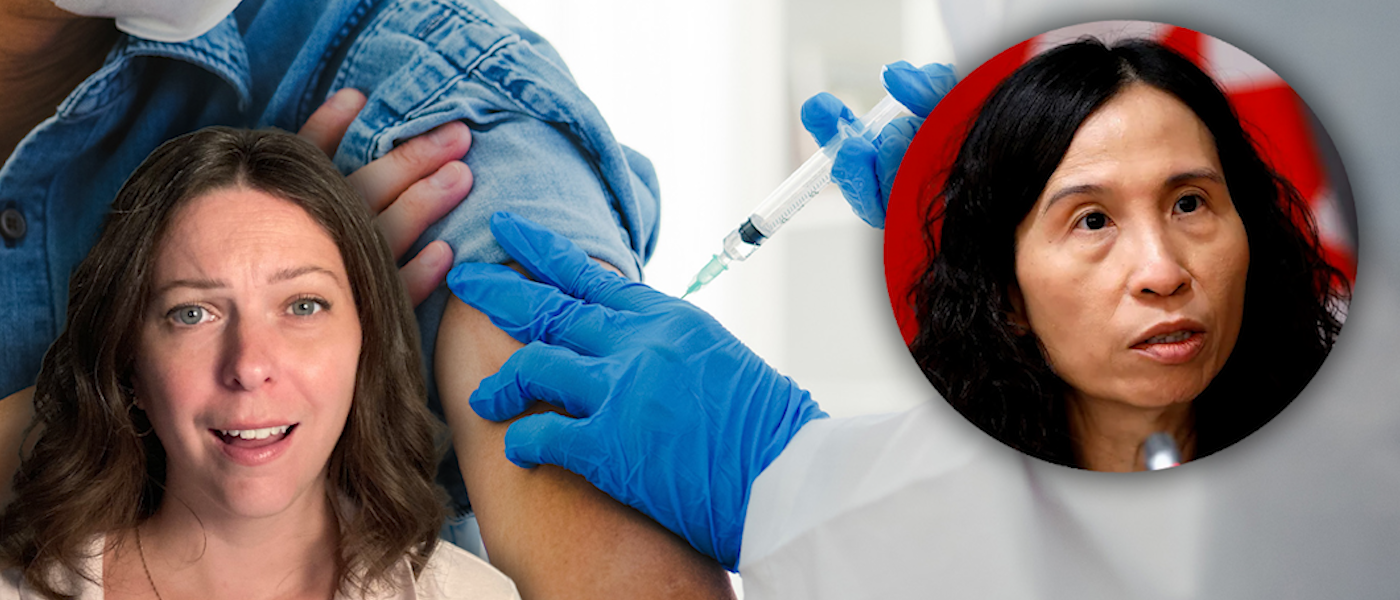



Vaccine Injury Program’s latest stats drop as consultancy firm is embroiled in scandal
Canada's Vaccine Injury Support Program, launched in 2020, has approved only 7% of 3,317 claimants at a cost of $18 million, undermining trust in promised aid for COVID-19 vaccine injuries.

The Liberal government’s Vaccine Injury Support Program (VISP), launched in December 2020 to provide “fair and timely” compensation for those harmed by COVID-19 vaccines, has unraveled into a scandal of mismanagement and broken promises.
Recent data, released weeks late and only after legacy media finally reported on VISP mismanagement, reveals a program failing Canadians who trusted the “safe and effective” narrative.
VISP was introduced as a lifeline for those injured by novel modified-RNA vaccines, rushed to market under emergency use authorization, then mandated for millions. The Public Health Agency of Canada (PHAC), a Health Canada subsidiary, outsourced the program to OXARO (formerly Raymond Chabot Grant Thornton) to avoid a “real or perceived” conflict of interest, as Health Canada approved the vaccines.
Documents uncovered in Rebel News’ exclusive investigation last October revealed OXARO’s struggles with financial support payments, operating costs, and the complex nature of injury claims. The program, initially budgeted for five years based on assumptions of rare adverse events, was clearly unprepared for reality.
Shockingly, claims assessments didn’t begin until the third year, a profound failure in adequate planning. By December 2023, OXARO reported receiving more claims than anticipated, struggling to determine compensation—especially for children, who lack income-based metrics.
As of the latest figures, VISP has received 3,317 claims. Only 234 (7%) have been approved by the medical review board, with over $18 million paid out, averaging $77,500 per claimant.
Over 400 appeals highlight widespread dissatisfaction, as many feel unfairly denied or undercompensated.
By contrast, in 2023, only 103 of 1,559 claims were approved; by May 2024, claims rose to 2,628, yet approvals remain disproportionately low.
Health Canada claims that serious adverse events occurred at a rate of 0.011% of over 105,000 doses administered as of January 2024. However, a 2010 Harvard Pilgrim Health Care study found that less than 1% of vaccine-related adverse events are reported, hinting at a far greater toll than what is formally recognized.
Combined with the fact that Canada’s health bureaucracy has rejected adverse events reports and stonewalled streamlining online reporting, these numbers likely significantly underrepresent the true scope of adverse events.
The discrepancy between official figures and VISP’s rising claims further underscores a systemic failure to anticipate the impact of modified RNA vaccines, rolled out without long-term safety data.
The program’s delays, denials, and inadequate support have eroded trust in a system that promised aid but delivered betrayal.
As claims climb, Canadians are left questioning: How many more families suffer without recognition? How many are navigating a system seemingly designed to protect institutional interests over those harmed by mandated vaccines? The “we’re all in this together” mantra rings hollow for those abandoned by VISP’s failures.
Featured Stories

10:16


COMMENTS
-
 Shaun Morrison commented 2025-07-23 11:25:47 -0400“The Liberal government’s Vaccine Injury Support Program (VISP), launched in December 2020 to provide “fair and timely” compensation for those harmed by COVID-19 vaccines”
What about those harmed by all the “MANDATES,” fired and disciplined for refusing to be extorted.
extort | ikˈstôrt |
verb
obtain (something) by force, threats, or other unfair means: -
Bruce Atchison commented 2025-07-22 21:35:40 -0400How many people were gas-lit about vaccine reactions? How many just assumed it was unrelated to the jab? And how many genuine cases of damage were just ignored by medical personnel when they were reported?

