


BREAKING: Freedom Convoy organizer Chris Barber receives 18-month conditional sentence
Justice Heather Perkins-McVey delivers a conditional sentence for Barber, rejecting prosecutors’ call for years in prison; Tamara Lich’s sentence expected within minutes as courtroom tension builds in Ottawa.

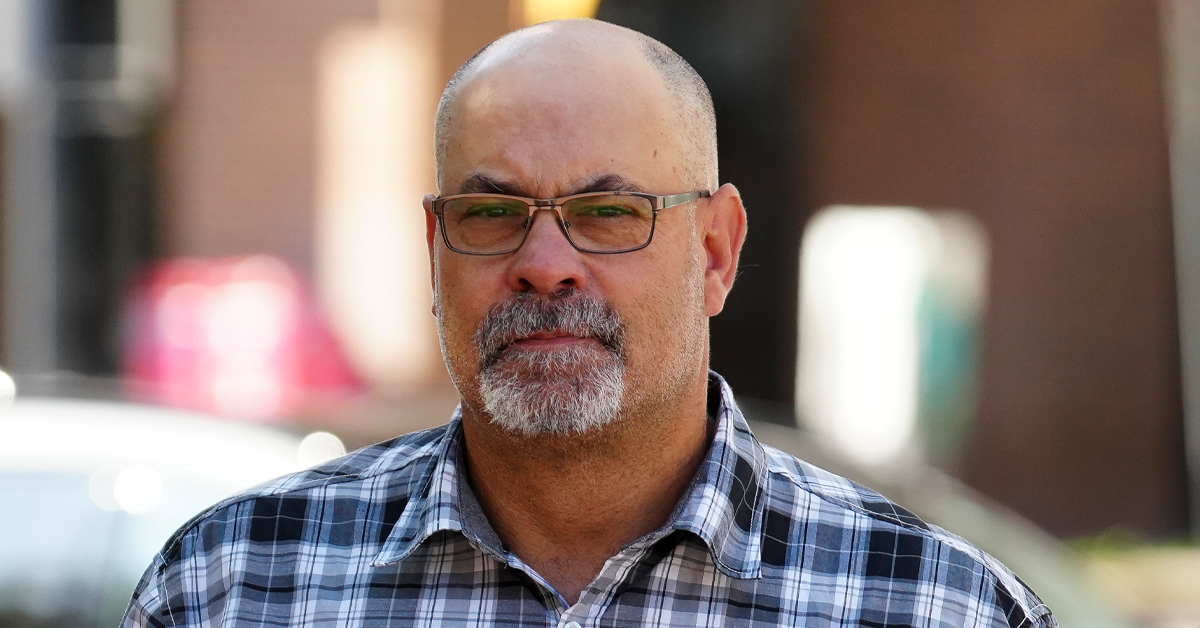
After a long-delayed and often-contentious hearing, Justice Heather Perkins-McVey has handed down an 18-month conditional sentence to Freedom Convoy organizer Chris Barber, to be served in the community under strict conditions. The ruling marks the first of two highly anticipated sentences tied to the 2022 trucker convoy protest that gridlocked downtown Ottawa and inspired a nationwide movement for civil liberties and opposition to vaccine mandates.
Barber’s conditional sentence includes 12 months of house arrest, followed by a curfew from 10 p.m. to 5 a.m. for the remainder of the term. He may leave his property only for work, legal or medical appointments, religious services, and one weekly shopping trip for essential goods. He must also complete 100 hours of community service.
🚨BREAKING: Justice Heather Perkins-McVey sentences trucker organizer Chris Barber.
— Ezra Levant 🍁🚛 (@ezralevant) October 7, 2025
18 months conditional sentence, concurrent 3 month sentence for counselling disobedience of a court order. To be served in the community. Keep the peace, etc.
Justice Perkins-McVey allowed limited exceptions — including permission for Barber to travel for employment and to assist his parents with maintenance and snow removal — but otherwise emphasized that the sentence must “denounce unlawful conduct” while recognizing the constitutional rights of peaceful assembly and expression.
Judge Rejects Harsh Prosecutorial Demands
Doug Ford’s provincial prosecutors had sought an “unprecedented” custodial term — seven years for Tamara Lich and eight for Barber — far exceeding penalties in comparable protest-related cases, including the 2010 G20 riots and recent environmental blockades. Perkins-McVey called those demands “unfair” and “out of proportion,” noting that even violent crimes such as robbery and aggravated assault “rarely receive sentences in that range.”
The judge also dismissed comparisons to cases involving sabotage or critical infrastructure attacks, such as the Hydro-Québec grid incident, describing those analogies as “entirely dissimilar” to the non-violent, politically motivated Freedom Convoy protest.
“The present case,” Perkins-McVey said, “involved no violence, no property destruction, and no intent to harm critical infrastructure.”
Acknowledging Efforts to Mitigate Impact
Throughout her ruling, the judge acknowledged that both Barber and Lich cooperated with city officials, encouraged peaceful conduct, and attempted to reduce the footprint of the protest, even helping to relocate trucks to minimize disruption.
She noted that Lich’s role was primarily symbolic and focused on fundraising, while Barber handled logistics, coordinated truck placements, and communicated directly with law enforcement. Both, she said, were motivated by “civic engagement” and “noble intent,” even as the protest “evolved into mischief” once it exceeded lawful assembly.
Perkins-McVey emphasized that the sentence was designed to be “punitive but rehabilitative,” asserting that both organizers had already been significantly deterred by their arrest, incarceration, and lengthy trial.
A Divisive Moment for Canadian Justice
Barber’s sentence follows more than two years of litigation, 49 days of pre-trial detention for Lich, and intense public debate over whether the government’s prosecution of convoy leaders constitutes legitimate law enforcement or political retribution against dissent.
Critics of the Crown have accused prosecutors of pursuing a “show trial” designed to chill political protest. Supporters of the verdict, however, say it reaffirms that protest organizers cannot disrupt city life indefinitely without consequence.
As of this writing, Tamara Lich’s sentence has not yet been delivered, but Justice Perkins-McVey has indicated her decision will be read within minutes.
The court remains packed with supporters, journalists, and legal observers awaiting the next ruling — one that could define how Canada balances dissent, disruption, and democracy in the post-pandemic era.
Follow ongoing coverage and contribute to Tamara Lich’s legal defense at HelpTamara.com.
Featured Stories


10:58


COMMENTS
-
 Bernhard Jatzeck commented 2025-10-07 20:38:14 -0400Defy the government and there will be consequences.
 -
Bruce Atchison commented 2025-10-07 19:35:08 -0400Persecutor more like. Doug Ford’s injustice minister needs to be replaced with somebody with scruples.
