
Cabinet raises debt ceiling to $2.54 trillion
Parliament has failed to balance a budget since 2007, when Stephen Harper was prime minister.

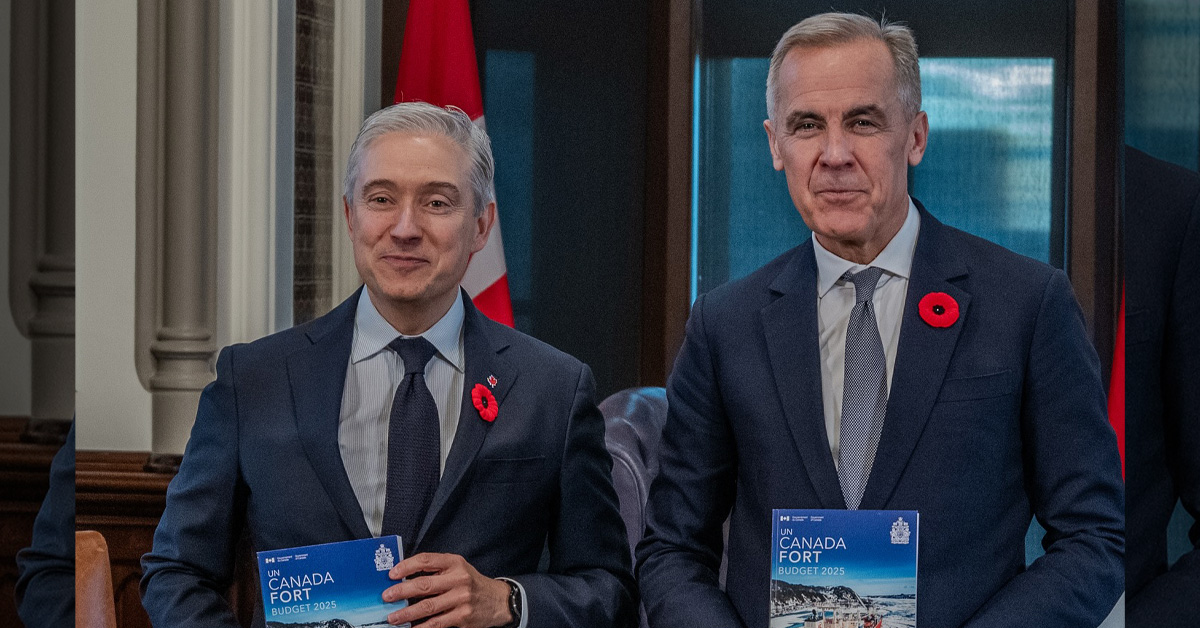
The national debt ceiling will be raised for the third time in four years, increasing the borrowing limit by 20% to an unprecedented $2.54 trillion, according to a Department of Finance budget notice.
The Borrowing Authority Act limit is proposed for amendment in the budget document Canada Strong to support the Government of Canada's initiatives for building a new Canadian economy and defending Canada. This represents a $1.373 trillion increase in the debt ceiling since 2021.
Finance Minister François-Philippe Champagne differentiated additional debt from spending, stating, “There is a difference between spending and investing,” he told the Commons.
Champagne told MPs that Budget 2025 demonstrates the importance of their choices, emphasizing investment and advancement during difficult times.
The 2025/26 Liberal budget, branded as “fiscal strength” despite record deficits, adds a $78 billion deficit, $10 billion more than predicted by the Parliamentary Budget Office. That is a record, notwithstanding the 2020 pandemic year.
Cabinet proposed $321.7 billion in new borrowing by 2030. Opposition Leader Pierre Poilievre criticized this, stating federal spending increases national debt by $10 million hourly, calling the government “the most expensive in Canadian history” and noting that all government spending is paid by Canadians.
Parliament hasn't balanced a budget since 2007, as reported by Blacklock’s. The debt ceiling rose from $1.168 trillion in 2020 to $1.83 trillion in 2021.
Conservative MP Shuv Majumdar likend it to unpaid credit card bills, criticizing Prime Minister Mark Carney's “fiscal management” as treating deficits as “investments” and debt as someone else's responsibility.
“A $78.3 BILLION deficit with no plan to balance,” he wrote. “When Carney said our younger generation needed to 'sacrifice more,' he meant it.”
.@FinanceCanada seeks 20% hike in nt'l debt ceiling, third increase in 4 years, to a record $2.54 trillion. Not a typo. Trillion. https://t.co/0mcF2hGBI8 #cdnpoli @FP_Champagne pic.twitter.com/gWd3beSQ63
— Blacklock's Reporter (@mindingottawa) November 6, 2025
In 2021, then-finance minister Chrystia Freeland clarified that the debt ceiling limits government borrowing. “... we are not saying the government will undertake those borrowings, nor are we saying anything about government spending.”
She furthered: “The increase in the borrowing authority is in no way a blank cheque. Every single expenditure by the government needs to be authorized by Parliament.”
“Minister, please,” replied then-Conservative MP Ed Fast. “Your government blew through its previous debt ceiling within a couple of years.”
In 2024, the Liberal cabinet increased the debt ceiling to an unprecedented $2.13 trillion. Freeland stated this avoided austerity and a shrunken federal government, which would force Canadians to “fend for yourselves.”
Alex Dhaliwal
Journalist and Writer
Alex Dhaliwal is a Political Science graduate from the University of Calgary. He has actively written on relevant Canadian issues with several prominent interviews under his belt.
Featured Stories

10:48

14:02

COMMENTS
-
 Bernhard Jatzeck commented 2025-11-06 20:52:46 -0500How soon before we’ll all be wearing barrels? But, remember, people voted for this.