


Canadian pork producer pushes back after Health Canada OKs unlabelled lab-grown meat
One of Canada’s largest organic pork producers says the public deserves clear labelling, and a real choice before cloned meat hits supermarket shelves.

Health Canada's new regulatory experiment, cellular agriculture, will soon appear in supermarkets. What does this seemingly harmless term actually mean?
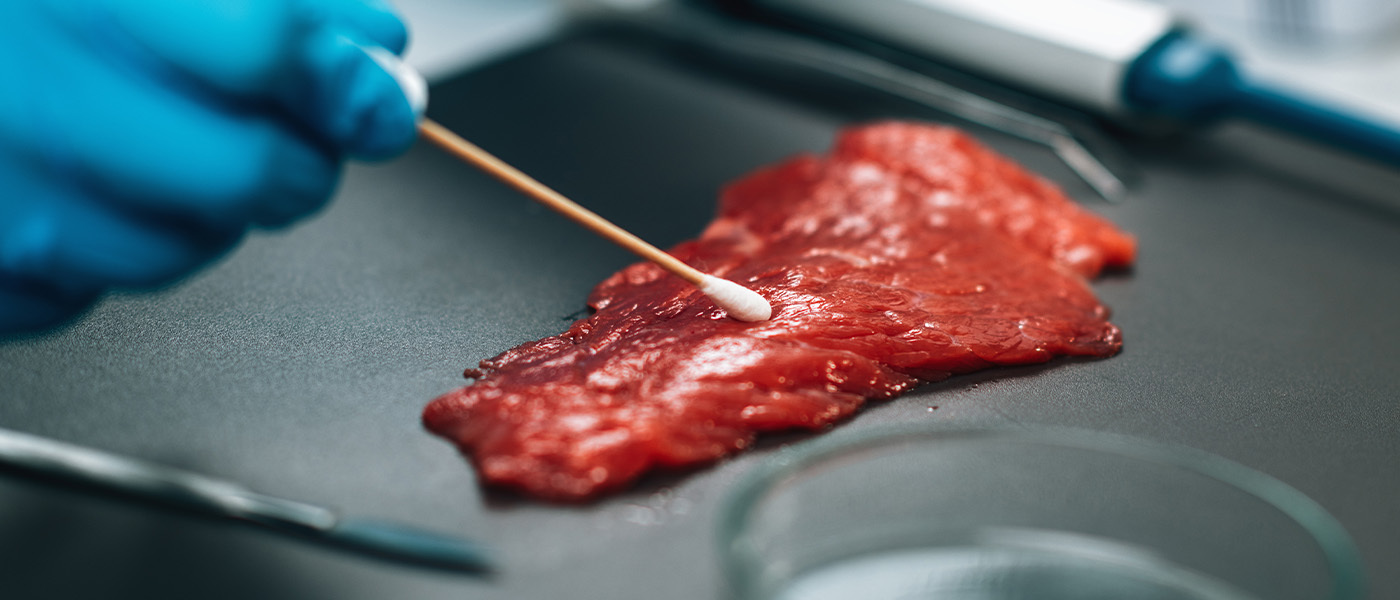
Health Canada defines this as cultivated food—including meat, seafood, eggs, and milk—grown from animal cells in a lab without raising live animals. Scientists isolate cells (e.g., muscle fibers from chicken) and grow them in ‘controlled culture conditions’ until the desired tissue forms.
The Department states the grown tissue can be prepared and eaten like any food ingredient (baked, grilled, or fried).
Normally, experimental items like this fall under Canada's novel foods category, requiring a thorough pre-market safety assessment. This framework mandates developers provide detailed data on production, contaminants, allergens, toxins, and nutrition. Health Canada reviews typically take about 410 days.
However, Health Canada quietly released a statement concluding, based on "all available information" and "scientific opinion," that foods from healthy cattle and swine clones and their offspring are as safe as those from traditionally bred animals.
That's a big declaration, prompting questions about how these emerging food technologies are evaluated and how fast they're entering Canada's food system.
Sylvain Charlebois, Director of the Agri-Food Analytics Lab at Dalhousie University, joined the Food Professor Podcast to break down what’s really behind Health Canada’s labelling discrepancy.
“Over the years that we've seen benefits given to the industry, but when it comes to the till, when it comes to the consumer paying for that food, there's never any obvious financial benefits for the consumer,” he explains.
If you start labelling, you completely change the rules because if clone meat is $10 and regular meat at $10, most people will take the regular meat. But if the cloned meat costs less, $7 or so dollars, my bet is that a lot of people would consider it, but let the people decide; power to the people!
The public is disempowered without proper information. Health Canada's refusal to provide transparent labeling contradicts its claimed commitment to openness and accountability.
Melissa Lantsman rips the Liberals over the high cost of living and housing crisis facing Canadians.
— Rebel News (@RebelNewsOnline) September 15, 2025
"The cost of food has risen overall more than inflation every single month that this prime minister has been here," she says. pic.twitter.com/xbSxKu5WK4
Major producers are now resisting. DuBreton, a large Canadian organic pork company, is publicly pressuring Health Canada to permit voluntary labels for cloned meat.
“There is nothing wrong with innovation in food production, but never at the expense of an honest food system,” said CEO Vincent Breton. “Consumers should have the right to decide for themselves whether they want to buy genetically modified foods.”
Cloned meat raises serious moral, ethical, and religious concerns beyond just cost and convenience, demanding greater respect in safety and consumption discussions.
No food shortage justifies replacing real meat with bugs, lab-grown proteins, and synthetic substitutes. This is a coordinated, unnecessary push framed as "climate action" for our own good.
Featured Stories

03:31

10:27


COMMENTS
-
 Fran g commented 2025-11-19 19:00:28 -0500THis has got to be against the law, but liberals role like that all the time. They are above the law, they are so special. How about all of us going vegetarian for awhile and see how they cry about the lose of money. Libs worship money as they have no souls.
 -
Susan Ashbrook commented 2025-11-19 00:16:21 -0500Absolutely we need to know what we are eating and have the option of eating it or not! Bruce is completely right.
-
Bruce Atchison commented 2025-11-18 19:21:55 -0500Consumers deserve to know what they’re eating. It’s why ingredients are listed on packages. And why should this frankinmeat be unlabeled when other foods must be? I suspect favouritism is involved here.
