

Crisis of Command: How disciplinary tribunals target whistleblowers with misconduct charges
With over a dozen misconduct charges, dismissed cases, and an explosive abuse-of-process motion, the battle inside the Toronto Police Service brings whistleblower reprisal, leadership accountability, and public trust in Canada’s largest police force front and centre.

As corruption allegations continue to rock the Toronto Police Service, a parallel battle is unfolding inside a disciplinary tribunal, exposing a culture of reprisal within Canada’s largest police force.
Staff Sergeant Ernest “Dave” Haynes is currently facing internal tribunal proceedings after being served with five separate cases comprising 15 misconduct charges. The allegations range from internal emails to social media activity, including Instagram posts made after he says he was forcibly transferred from 22 Division — a move he describes as punishment for raising concerns about officer safety, resource shortages, and public safety.
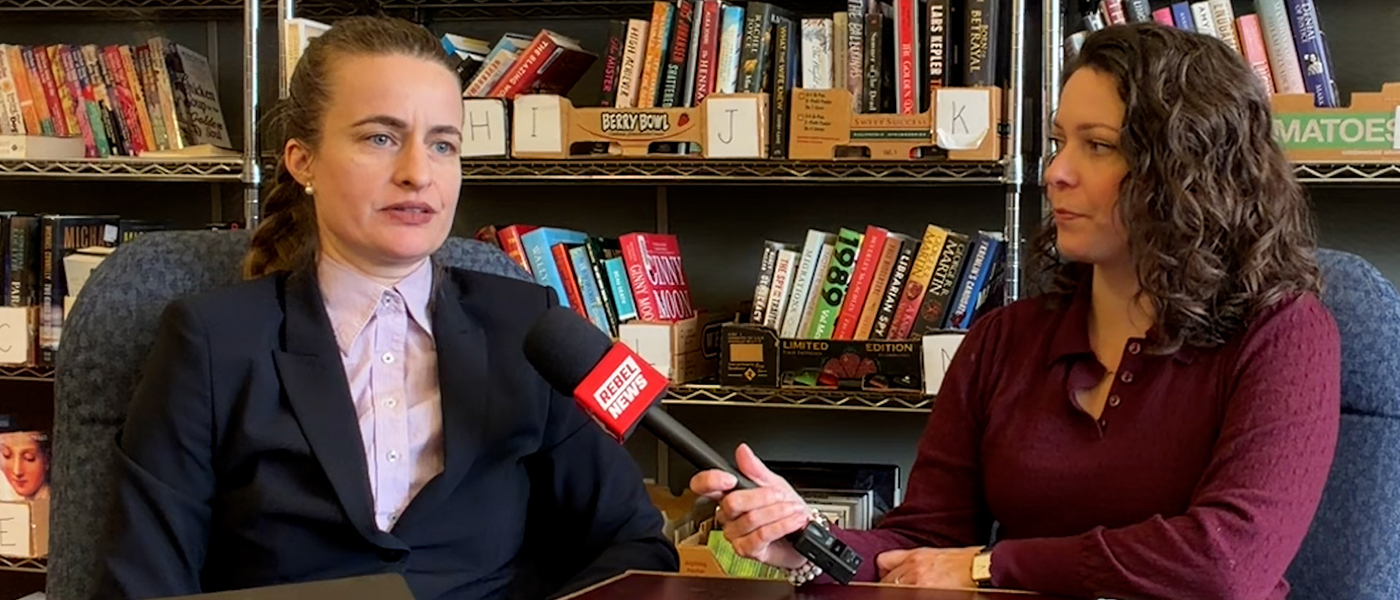
Haynes’ lawyer, Bath-Shéba van den Berg, argues the proceedings are not isolated disciplinary matters but part of a broader pattern in which internal mechanisms are being weaponized against members who speak out.
Since van den Berg took over Haynes’ defence in February 2025, one entire case — known as Case 50-2024 — has already been dismissed. The tribunal ruled in January that it lacked jurisdiction because the notice of hearing had not been served within the six-month statutory time limit. That decision followed only after a contested two-day hearing in November.
Despite what van den Berg says was a clear jurisdictional defect, the charge was not withdrawn voluntarily. Instead, the defence was required to bring a formal motion to have it dismissed.
Following that ruling, Haynes’ legal team filed an abuse of process motion on February 6, 2026, arguing that the proceedings reflect structural unfairness and retaliation rather than legitimate misconduct concerns.
Shortly after the factum and supporting affidavit were filed, prosecutors withdrew three additional charges, citing a desire to “streamline” the process.
Among the withdrawn allegations was Case 31-2024, which centered on a December 29, 2023, internal email Haynes sent to members at 22 and 31 Divisions. In that message, he acknowledged the strain frontline officers were under, citing limited resources, growing mental health calls, and reduced capacity for proactive criminal investigations.
In the email, Haynes wrote that the “last few years have been extremely challenging” for first responders facing “constant high demand” with “extremely limited resources.” He observed that increasing allocations toward mental health emergencies and social crises were limiting officers’ ability to “front-end load” criminal investigations.
That case — now withdrawn — was, at least according to the defence, central to understanding why Haynes was subsequently charged. Van den Berg argues that immediately after the New Year, notices of investigation were drafted and served within weeks, suggesting a coordinated effort to scrutinize Haynes’ conduct following his internal criticisms.
All told, Haynes now faces 11 remaining allegations.
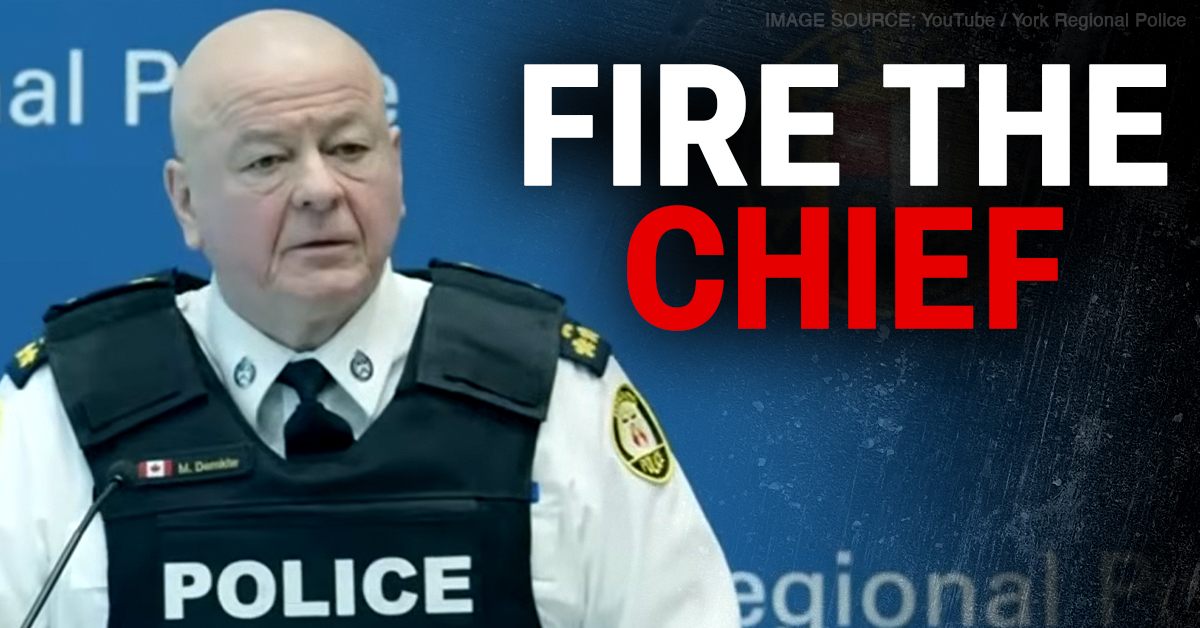
The proceedings are unfolding amid heightened scrutiny of the Toronto Police Service’s leadership and accountability structures. With Ontario’s policing inspectorate launching a review into damming corruption and criminal conspiracy, and an internal report last year highlighting low morale, fears of reprisal, and distrust in the chain of command, it’s not a good look for TPS.
Van den Berg says the issue goes beyond her client. She argues that while subordinate officers face public discipline, senior leadership often avoids scrutiny, inherently undermining the principle of command responsibility.
She contends that this leaves more than one officer’s career at stake. If disciplinary systems are perceived as tools of reprisal rather than safeguards of professional standards, public trust suffers.
As the abuse of process motion continues, the tribunal will be tasked with determining whether these proceedings reflect legitimate oversight — or whether they send a chilling message to officers who dare to raise concerns from within.
Featured Stories


14:26


COMMENTS
-
Bruce Atchison commented 2026-02-18 21:05:21 -0500In the new country, we can plan for discipline for rogue officers. We won’t be bound by Ottawa’s culture of corruption.