


Ontario COVID vaccine database failed to ensure child consent safeguards
A whistleblower who helped build Ontario’s vaccine database warned of consent failures, missed safety signals, and liability risks before being terminated and blacklisted.

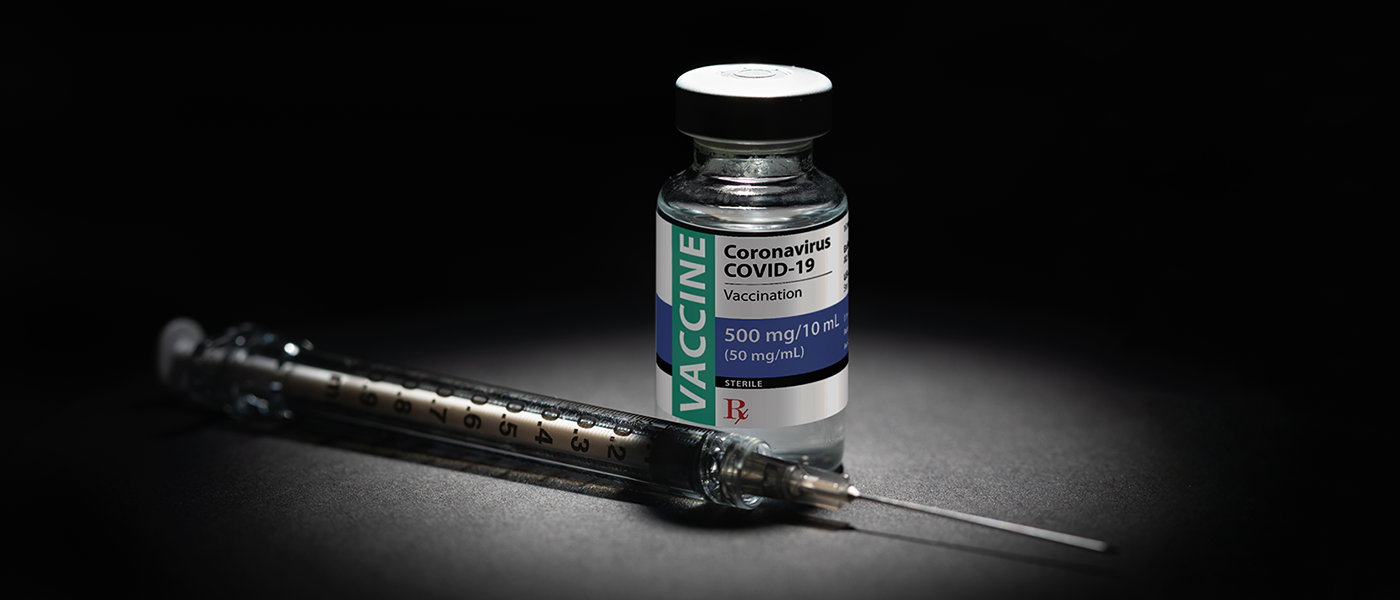
During the rapid rollout of still-experimental COVID-19 vaccines, Ontario’s public-health IT systems were being constructed by professionals who were flagging glaring concerns.
One of them was a privacy impact assessment specialist hired to help build the provincial vaccine database, who has come forward anonymously to describe a seemingly systemic skirting of informed consent.
This was especially true for children, where mass vaccination clinics, school-based programs, and broad declarations that adolescents could consent left inadequate safeguards to ensure consent was fully informed, voluntary, and properly documented. According to her, concerns raised internally about these issues were dismissed in favour of accelerating the rollout, despite emerging international reports of adverse events in younger populations.
The specialist explains that the rapid rollout of COVID-19 vaccines marked an unprecedented moment in which the province was both mandating a novel medical product and assuming direct control over vaccine data. As Ontario took ownership of the system, she says it failed to establish clear and robust consent safeguards for the rollout among 12- to 17-year-olds, followed later by children aged 5-11.
Officials simply declared that adolescents could consent, despite random vaccinators at school clinics and mass events that branded children as “superheroes,” complete with stickers, selfie stations and colouring sheets.
One Grade 10 student told media at the time that she got the shot so she could finally see friends and return to school. That was the kind of social pressure sold as empowerment at the time, not an informed health decision.
Inside the government machine, the specialist escalated her concerns in writing.
She warned that without documented informed consent — particularly for children — the province could face massive liability for adverse effects, including death, stroke and allergy issues. She noted the products remained under ongoing clinical trial conditions and that long-term population consequences were unknown, calling the roll out an “unconsented clinical trial.”
Immediately, she was advised to stay in her lane: provide privacy advice on technology only, not opine on authority models or side effects.
After documenting further warnings about global information suppression and the reality of this being a live trial involving children, her contract was terminated through the recruiter. She was ordered to surrender her laptop within the hour, blacklisted despite a newly signed extension, and threatened with civil and criminal action over the device, all while her pay was withheld.
Years later, she says she believes her warnings more strongly than the day she sent them. In fact, she refers to the case of 17-year-old Sean Hartman as a clear illustration of the human cost of these policies.
As a healthy teenager who simply wanted to play hockey after a year of isolation, during a time of indiscriminate vaccine mandates for sports participation, Sean died 33 days after receiving his first Pfizer dose.
While the courts have ruled that he, and others like him, are owed “no duty of care” by the state that mandated the ‘safe and effective’ COVID-19 vaccines, his case calls into question the importance of proper informed consent.
The whistleblower says Ontario had the ability to build stronger safety monitoring systems and create more meaningful informed-consent processes, but those safeguards were not implemented at the scale she believed was needed.
She had raised concerns about inadequate adverse-event reporting tools—including limited options, missing fields, and a focus on producing “clean data” that, in her view, risked leaving important information behind. Instead of prompting a deeper review, emails show that her concerns were dismissed as inappropriate.
“We were in a live clinical trial, and there was no way for us to be able to know what the long-term side effects for these children were going to be,” she said.
For her, that uncertainty is the central issue that remains unresolved: whether the systems built to protect children were strong enough to match the scale and speed of the rollout.
For families affected by serious adverse events, and for those who raised concerns from within the system, calls for an independent review of the vaccine program’s safety monitoring and ethical framework continue.
To them, accountability is not about revisiting the past, but rather understanding whether the systems sold to the public as a way to protect children were strong enough when they were needed most.
Featured Stories

10:48

14:02

COMMENTS
-
 Alan Nichols commented 2026-08-10 19:54:21 -0400When we talk of people who should be in Jail – let’s not forget our heroes Bonny Henry and EBY in BC who villianized anyone with a spec of knowledge (called health workers) who realized the problems with the untested vaccine made it totally unsafe for anyone at risk.
They are still unemployed as the EBY government refuses to re-hire them thus making our health care the worst in Canada due to a lack of workers in the health industry. -
Fran g commented 2026-08-08 12:26:41 -0400After Fauci hearing finally jarring the world into reality do you think it is possible for Canadas villians to be imprisoned and fined. Sadly wont happen under our pathetic federal govt.
-
George Vaughan commented 2026-08-07 19:08:59 -0400Trudeau, his advisor Conflict Carney and puppet Ford belong in jail, after paing mega millions in compensation. Unfortunately, the foxes guard the chicken coop.
-
ron hauck commented 2026-08-07 00:57:56 -0400Great reporting Tamara. Thank you and the whistle blower for getting the truth out. A great many will appreciate it.
-
Bruce Atchison commented 2026-08-06 21:20:38 -0400Government cronyism is what happened. And negative information with the consent of the government led to so many vaccine harms. I hope Fauci, Tam, and others face punishment in this world. I know they will when they face God Almighty.