



Ontario vaccine coercion persists
Students across the province face suspension threats over compelled medical data disclosure by public health, an entirely separate ministry.

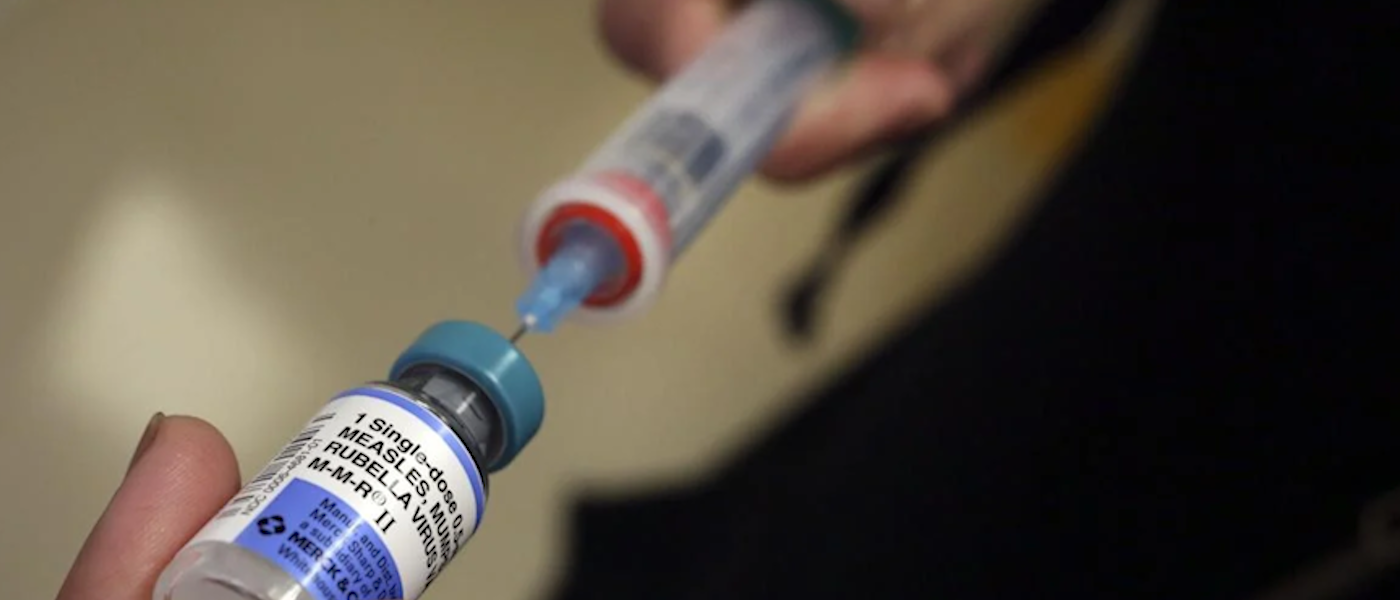
Vaccine coercion in 2026 continues to loom over Ontario's education system, pitting public health demands against families' rights to privacy and, once again, disrupting the learning of thousands of children.
Parents of students in publicly funded schools are under pressure to disclose their children's confidential vaccine records, or risk severe penalties, including lengthy suspensions that disrupt young lives and fly in the face of established legal safeguards.
At the heart of this ongoing controversy is Public Health Ontario's relentless pursuit of students' immunization data, which is funnelled into third-party systems like Panorama and potentially integrated into the World Health Organization's broader global surveillance architecture.
The latest threat order comes out of Hamilton, where public health officials have begun issuing suspension orders to families whose records fall short of their standards.
Suspension notices are being distributed to parents for the 2025-2026 school year, threatening that non-compliance will lead to prolonged denial of education. Thousands of students could face removal from class for up to 20 days — a full month of missed education.
The issue becomes troubling when relevant legislation is cross-referenced, such as Ontario's Education Act, which stipulates that extended suspensions are reserved for severe offences, like drug trafficking, physical assault, or persistent abusive behaviour that is not remedied by other interventions.
Even in those most extreme and aggressive cases, the act lays out how principals must carefully consider mitigating factors: a student's capacity to regulate behaviour or grasp consequences, potential risks to school safety, personal background including trauma, prior disciplinary measures, any ties to harassment or discrimination, the child's age, and the overall educational impact.
Moreover, for suspensions exceeding 11 days, schools are legally obligated to provide alternative programs that blend academic support with behavioural resources, such as anger management, substance abuse counselling, or life-skills training.
Even though only a school principal has the authority to suspend, enshrining protections for students' well-being and due process, public health units are circumventing these rules through the Immunization of School Pupils Act (ISPA), demanding access to private medical information under threat of school exclusion.
This approach blatantly infringes on the Education Act's framework, showing little regard for the social, emotional, mental, and academic toll on children yanked from their routines for weeks on end. Ontario stands alone in Canada for enforcing such measures, which makes sense given the government's intent on making the province a hub for pharmaceutical interests.
All of this comes on the heels of alarming educational setbacks faced by Ontario students. Recent provincial testing data from December revealed that half of Grade 6 students and 42% of Grade 9 students are not meeting math standards, with reading and writing proficiency also lagging. These struggles follow Ontario's prolonged COVID-19 school closures—the longest and most stringent in the nation — which isolated children at length to their developmental detriment.
Public health's single-minded focus on data collection turns students into unwitting pawns in this coercive game. Parents who insist on adherence to Education Act protocols have reported harsh and dehumanizing actions.
Instead of fulfilling their duties, some principals have resorted to isolating children from classmates, confining them to small offices or rooms, denying recess and outdoor access, revoking bus privileges, and even involving children's aid societies when families persist in sending their kids to school when legislated suspension protocols aren’t followed.
These tactics not only dehumanize innocent children but also violate privacy laws. The Personal Health Information Protection Act (PHIPA) mandates informed consent for collecting or sharing health data, explicitly prohibiting coercion. Yet suspension threats are a classic form of duress, effectively compelling the surrender of sensitive information or face educational exile.
Meanwhile, data breaches in Canadian systems have exposed millions of records, making health data a prime target for cybercriminals with a hefty price tag on the black market.
Why should parents entrust centralized public health databases with children’s medical data, especially when it's being leveraged against access to public education?
While exemptions under ISPA exist for medical, religious, or philosophical reasons, they offer little tangible relief, as it still compels entry into leak-prone databases. Most importantly, statements of conscience must reflect parents' own words, and not be pre-drafted forms laced with guilt-inducing warnings about endangering public health, which undermine true voluntary consent.
“With the decision to delay or refuse vaccines, you are accepting responsibility that you are putting your child’s health and even life at risk,” the legally binding exemption affidavit reads.
This clash between ISPA, PHIPA and the Education Act leaves children caught in a coercive crossfire. No student should be forced to trade privacy for a seat in class.
In an attempt to seek accountability, Rebel News contacted Education Minister Paul Calandra, ministry media contacts, and the Premier's Office. Despite ample taxpayer-funded resources for communications, no response was received.
Ontario's children deserve an education free from surveillance and intimidation. Coercion and bullying have no place in our schools, whether it be among peers or directed at students by the powers that be.
Join our campaign to educate parents about their rights and how to protect their kids!

Featured Stories



05:37

