
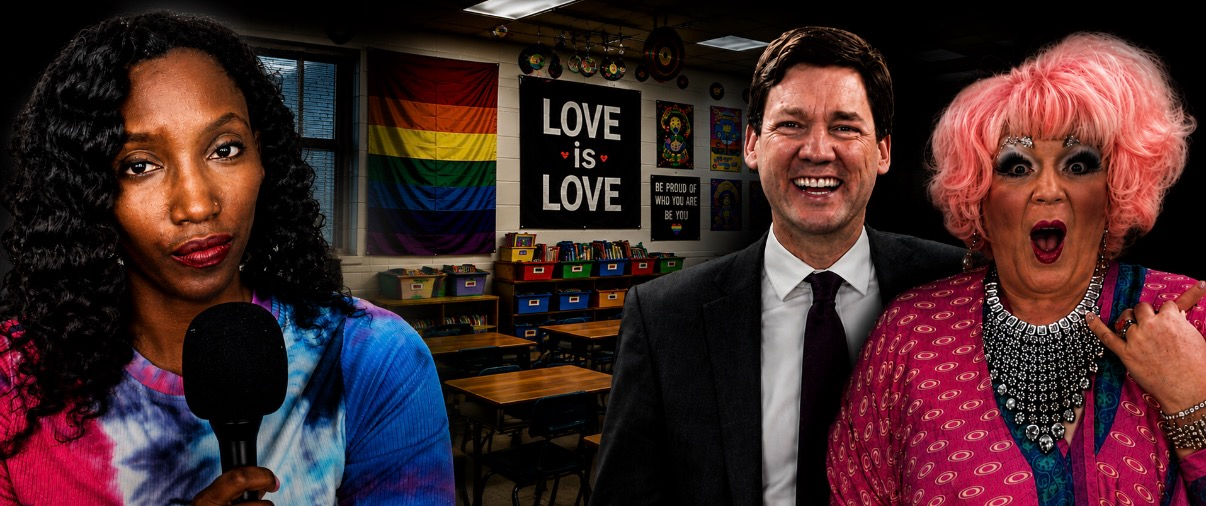




SOGI funding cut fuels fresh debate over gender ideology in B.C. schools
MLA Heather Maahs says while SOGI 123 remains in place, the province has ended funding for the nonprofit behind the program, and explains how the move is good for those who want SOGI out of schools.

Last week online celebratory posts and comments started spreading after the BC Conservatives announced a “major achievement for parents” in the form of the BC NDP having “given up on SOGI and defunded the program.”
For a moment, it looked like a major victory for the parents, educators and even independent journalists who have spent years raising concerns about British Columbia's Sexual Orientation and Gender Identity program in public schools called SOGI 123.
A major achievement for parents all over BC. After years of pressure from the Conservative Party of BC, the BC NDP have given up on SOGI and defunded the program. pic.twitter.com/A1gKLzxdcq
— Conservative Party of BC (@Conservative_BC) July 20, 2026
Since its arrival in schools in 2016, SOGI has become one of the most polarizing education policies in Canadian history. While government officials and allies describe it as an anti-bullying and inclusion framework, critics argue it's been used to introduce students to radical gender ideology and sexually explicit “learning resources” without parental consent nor a way to opt their child out.
While posts applauding the potential end to the framework continued to circulate, NDP’s Education Minister, Lisa Beare, quickly fired back, giving the impression nothing had changed, saying SOGI was not defunded and insisting the BC Conservatives can’t be trusted.
So who was correct? As it turns out, both sides were telling part of the story.
SOGI - the "GENDERbread Person" is one of drag-for-kids-loving David Eby’s NDP-backed, "inclusive" SOGI tools used on young kids in schools.
— Drea Humphrey (@DreaHumphrey) October 17, 2024
The colourful propaganda is anti-science, anti-literacy, and promotes gender confusion. pic.twitter.com/vYFRS2WZ6j
An internal letter confirmed that while SOGI, the framework itself, wasn't being denied, the driving force behind it was facing a substantial funding cut.
The letter from the ARC Foundation, the non-profit who describes itself as the “recognized innovator in SOGI-inclusive education,” stated they had to make the “the difficult decision” to reduce some of their staffing due to the BC Ministry of Education’s decision to discontinue funding for SOGI 123 as of this year.
“We are deeply thankful to the team members whose roles have been affected. Their contributions have shaped our organization, and we thank them for the passion, commitment, and heart they brought to this work.
"While these changes are incredibly difficult, our commitment to our mission remains unwavering. As we mark our 10-year milestone, we will thoughtfully redistribute our efforts to ensure our mission remains our guiding principle as we continue building toward the next decade,” the letter concluded.
To provide some clarity on what this means for families whose children attend B.C. public schools, as far as what parents should expect from SOGI, we spoke with BC Conservative interim Opposition Leader MLA Heather Maahs, who formerly served as a trustee on the Chilliwack school board infamous for its frequent debate over gender ideology in schools.
That time Chilliwack school trustee, Carin Bondar, who sucked off a sledgehammer for “educational” purposes accused parent led protesters against SOGI 123 of sexualizing children.
— Drea Humphrey (@DreaHumphrey) November 18, 2023
Click link for latest report on Bondar’s lawsuit against Barry Neufeld https://t.co/e9anUkR8nF pic.twitter.com/LzhWhbnVzB
According to Maahs, the funding cut means many educators and staff will no longer have their SOGI lead positions due to the forced layoffs and a restructuring of the nonprofit organization.
“It’s great news,” said Maahs.
I also speak with Maahs about what, if anything, is the solution to solve the tensions surrounding the program.
Drea Humphrey
B.C. Bureau Chief
Based in British Columbia, Drea Humphrey reports on Western Canada for Rebel News. Drea’s reporting is not afraid to challenge political correctness, or ask the tough questions that mainstream media tends to avoid.
Featured Stories
05:37


COMMENTS
-
 Fran g commented 2026-08-05 13:15:32 -0400These lefty idiots are not normal people. They are just like carnage they will lie, cheat, cover up etc until they are blue in the face. We as Canadians will always have to be on guard.
 -
Bruce Atchison commented 2026-08-01 19:35:38 -0400Conservatives must NEVER become complacent. The satanic left won’t rest so we mustn’t either. Parents need to keep up the fight because evil never sleeps.

