




Cash still popular despite retail bans, central bank says
A Bank of Canada report found cash holdings increased from $140 in 2023 to $156 in 2024, with more ATM and bank branch withdrawals.

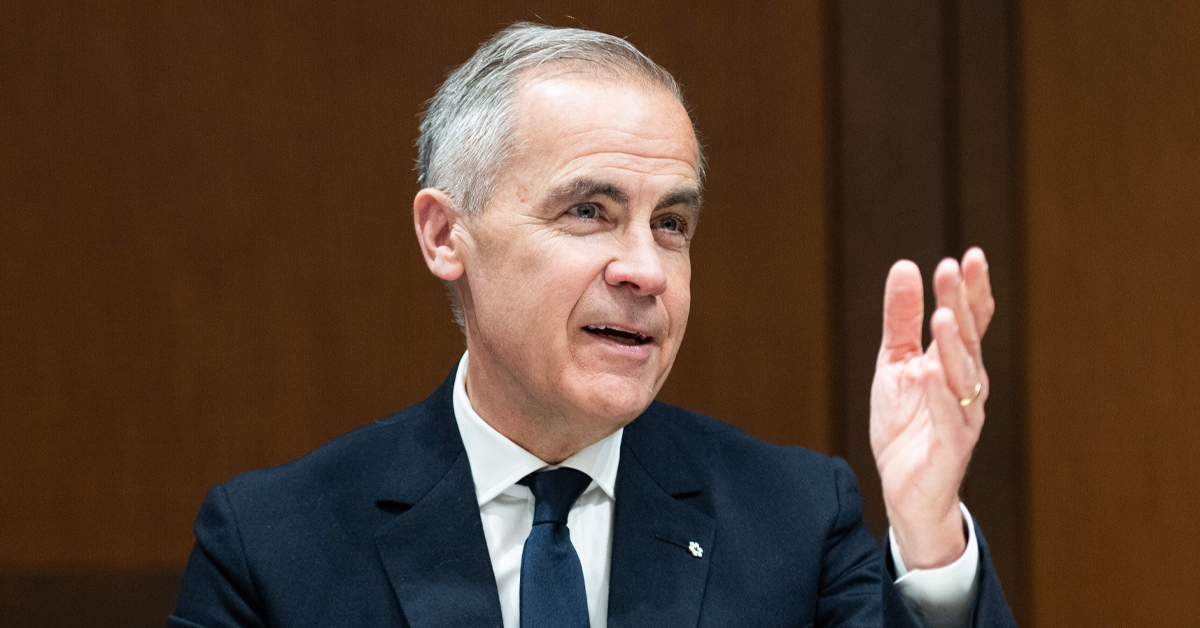
Despite retail bank cash restrictions, millions of Canadians still use and keep cash, Bank of Canada researchers reported.
A Bank report indicated an increase in cash holdings, with the average cash on hand rising from $140 in 2023 to $156 in 2024. ATM and bank branch withdrawals also grew in number and size, according to Blacklock’s.
Retail banks, however, are now refusing cash transactions from walk-in customers who do not hold an account. A Scotiabank branch in Calgary confirmed this policy in writing on August 6, following the Bank survey.
A spokesperson declined to comment on its compliance with the Bank Act. This is the first restriction of its kind.
On June 3, Cabinet introduced Bill C-2, An Act Respecting Certain Measures Relating To The Security Of The Border, banning all cash dealings over $10,000, including self-deposits by small businesses or donations to charities. Federal businesses are prohibited from accepting cash payments, donations, or deposits of $10,000 or more, whether in a single transaction or a series of related transactions.
Before the summer recess, Opposition MPs protested the proposed ban. Conservative MP Michael Ma stated that cash is essential for small and medium businesses to avoid credit card fees.
“Cash is still legal tender,” added MP James Bezan. “There are ways we can still enforce money laundering and terrorist financing rules in this country without going after people legitimately collecting cash in their day-to-day business activities.”
Public Safety Minister Gary Anandasangaree claimed the new border bill balances security and civil liberties, while minimizing potential abuses.
Deposits of $10,000 are already mandated for reporting under the Proceeds Of Crime And Terrorist Financing Act. The new bill awaits Second Reading in the Commons.
Freedom advocates warn C-2 could serve as a precursor for digital ID and central bank digital currencies (CBDCs) that enforce ideological aims, such as limiting food or gas purchases for environmental goals, or restricting unhealthy food and drinks to promote health.
The Bank of Canada stated a government-controlled digital currency is technically possible but won't pursue it due to public skepticism and privacy concerns. A 2023 poll showed 85% of Canadians would not use a digital dollar.
A March report warned that a cashless economy with CBDCs could enable total financial surveillance and government interference, exemplified by the 2022 Freedom Convoy's traceable digital transactions.
Prime Minister Mark Carney backed the previous government's response to the convoy and has shown prior interest in central bank digital currencies as a member of the WEF Board of Trustees.
Bank of Canada Governor Tiff Macklem confirmed cash will continue to exist. "Bank notes, cash are not going away. Canadians like to use cash, and they will be able to continue to use cash."
Seventy-nine percent have no plans to go cashless. The percentage of cashless Canadians has varied from 10% to 19% since 2019, reaching its highest point in April 2020 during the pandemic's start.
Canadians, regardless of age, use cash in 21% of transactions. They carry an average of $156 and keep another $200 at home, mostly in $20 bills. In the past week, 32% of Canadians withdrew an average of $176 from ATMs.
“On average Canadians made automated banking machine withdrawals two times per month,” wrote researchers. Findings were drawn from 4,000 respondents nationwide.
Alex Dhaliwal
Journalist and Writer
Alex Dhaliwal is a Political Science graduate from the University of Calgary. He has actively written on relevant Canadian issues with several prominent interviews under his belt.
Featured Stories


14:09


COMMENTS
-
 Bernhard Jatzeck commented 2025-08-15 22:30:08 -0400Cash is readily negotiable just about everywhere. No need for fancy-schmancy cards.
 -
Bruce Atchison commented 2025-08-15 21:10:17 -0400My seniors club needs to use cash and so do garage sale sellers. And cash helps people save money. If you know you only have $200 at the store, you’ll put back impulse purchases. It’s way too easy to overspend with a tap card or phone app.

