



Former RCMP chief raised alarm over secret N.B. COVID surveillance program
The RCMP's top officer in New Brunswick in 2021 filed a complaint accusing authorities of unlawfully collecting personal information and monitoring “citizens who express discontent” with government policy.

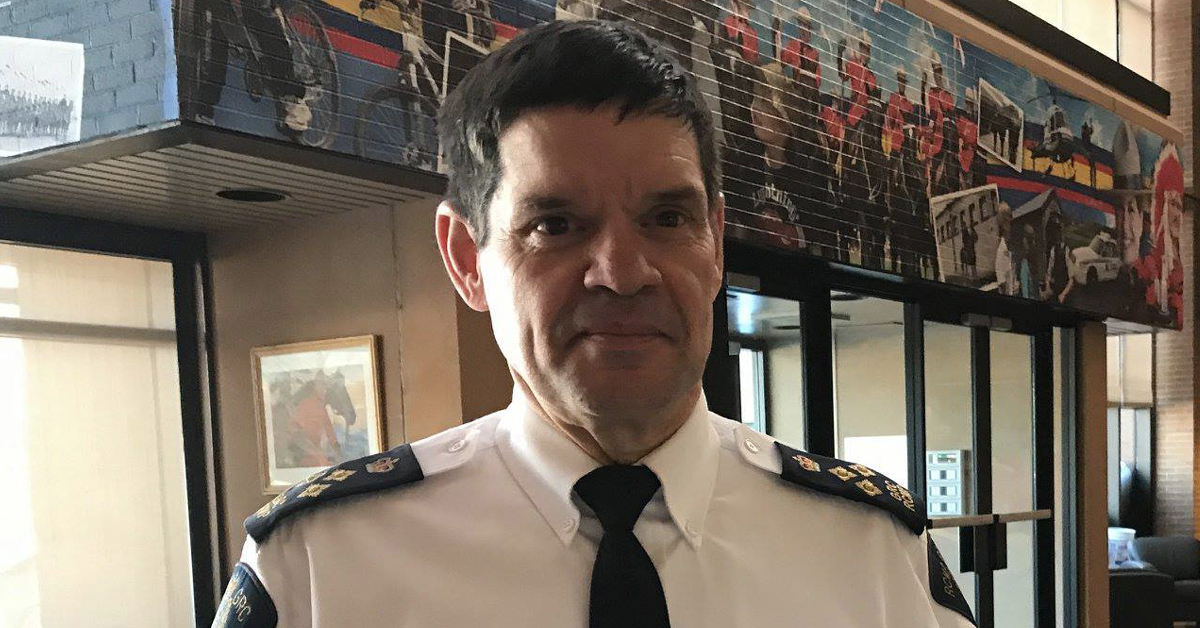
The former head of the Royal Canadian Mounted Police in New Brunswick formally challenged a covert provincial surveillance operation during the pandemic, warning in 2021 that residents’ privacy and civil liberties were being compromised.
Larry Tremblay, then the RCMP’s top officer in the province, filed a complaint with the provincial ombud accusing a branch of the Department of Public Safety of unlawfully collecting personal information and monitoring “citizens who express discontent” with government policy. His complaint targeted activities run through the little-known Office of the Provincial Security Adviser under the government of then-premier Blaine Higgs.
According to Tremblay’s complaint, officials tracked residents’ movement between New Brunswick health zones from January to May 2021, during one of the most restrictive periods of the pandemic. The information was compiled into daily briefings for the premier and senior officials under the title Trend Tracker: Mobility by Zone. The province had recently tightened travel rules and warned it would get tougher on people not following restrictions.
Tremblay also objected to a proposal involving data from 911 calls. He wrote that the security adviser’s office had “clearly demonstrated a total lack of understanding in regards to privacy rights.” Following RCMP objections, that plan was reportedly revised so the Mounties would retain control of sensitive information.
The complaint further alleged the government monitored political opinion through social media, especially criticism of pandemic policies. Tremblay questioned whether the province had any lawful authority to conduct that kind of intelligence gathering on citizens.
In response, the Department of Public Safety said mobility data came from the Public Health Agency of Canada and did not identify individuals. It said online monitoring focused on broad trends rather than naming specific people, and was used for “situational awareness,” not enforcement.
Still, the programs were never publicly disclosed at the time, and departmental annual reports made no mention of tracking residents’ movement between zones. That omission is likely to intensify questions about transparency, emergency powers and the boundaries of lawful surveillance during the pandemic.
Sheila Gunn Reid
Chief Reporter
Sheila Gunn Reid is the Editor-in-Chief, Alberta Bureau Chief, member of the board of directors, and host of The Gunn Show at Rebel News. Sheila also serves as President of the Independent Press Gallery of Canada. A mother of three and longtime conservative activist, Sheila is the author of bestselling books, including her most recent release, Independence Blueprint: What Alberta Can Learn From Quebec.
https://mybook.to/sheilaFeatured Stories


09:17

COMMENTS
-
 Fran g commented 2026-04-24 11:34:05 -0400Thank you Larry for being a good person and speaking out when nobody else would/
 -
Bruce Atchison commented 2026-04-22 19:56:57 -0400We must be careful when governments declare emergencies. They often grab more power than is needed to deal with it. Those who tracked dissenters must be held accountable and punished.

