



Meta paid nearly $1.9M to promote Carney despite ‘technological sovereignty’ campaign promise
Prime Minister Mark Carney faces criticism for directing nearly $1.9 million in Liberal Party funds to Meta for ads during his campaign, sparking concerns about transparency and his supposed commitment to digital independence.

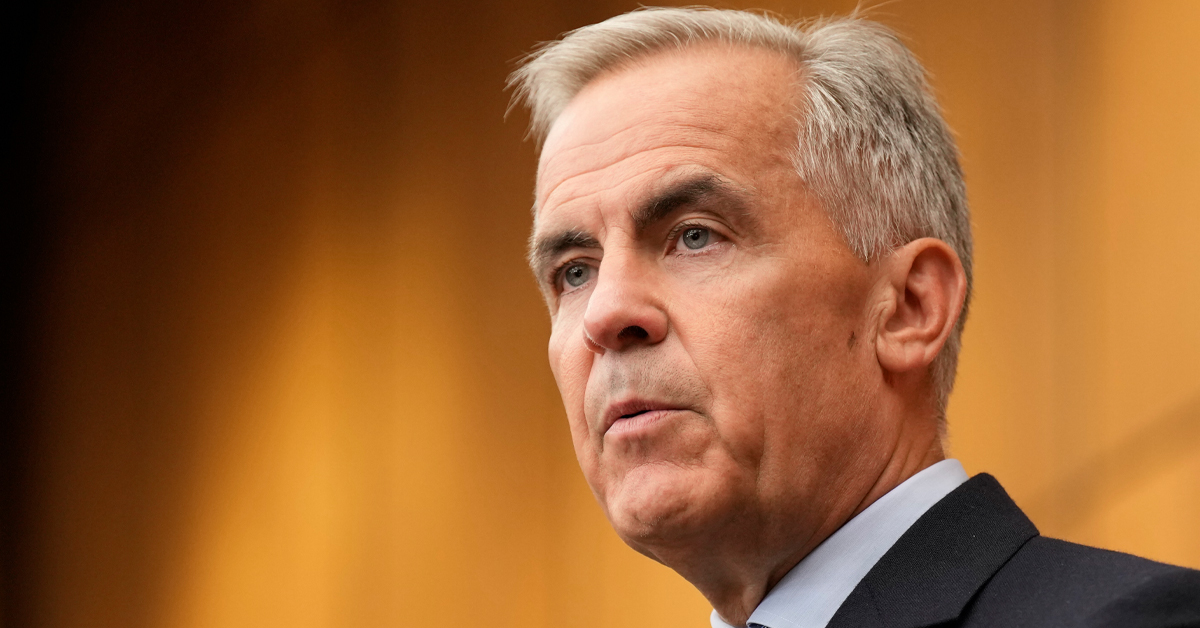
Prime Minister Mark Carney, who championed "technological sovereignty" during his spring election campaign, has come under fire for funnelling nearly $1.9 million to Meta, the U.S.-based tech giant, to promote his social media presence on Facebook and Instagram.
Data compiled by Le Devoir reveals that the Liberal Party of Canada (LPC) spent $1,868,086 on Meta ads during Carney’s campaign, which culminated in his minority government victory on April 28.
The spending peaked the day before, on April 27, with $211,372 allocated to ads from Carney’s account alone. Even after the election, the LPC has continued to invest between $175 and $1,300 daily on Meta ads, including a recent French-language “survey” ad launched on Sunday.
Prime Minister Carney’s claims of Canadian sovereignty and reduced U.S. trade reliance have been undermined by his scathing Ethics Commissioner filing, revealing that 92% of his investment portfolio is in U.S. companies.
— Rebel News (@RebelNewsOnline) July 19, 2025
FULL REPORT by @TamaraUgo: https://t.co/hfG0qZMFu1
Critics argue that the survey serves as a data-gathering tool for the LPC’s databases, hinting at deeper concerns about transparency.
Carney’s office deflected inquiries to the LPC, which defended its digital outreach, stating it “reaches Canadians in their communities and on digital platforms,” claiming that it adheres to legal standards.
This reliance on Meta further sparks ethical concerns, since the company opted to block Canadians from sharing news articles for over two years in response to regulatory implementations from the previous Trudeau-led Liberal government.
Alain Saulnier, former director of French news services at Radio-Canada and author of Tenir tête aux géants du Web, told Le Devoir that the situation was “an ethical problem.”
He argued that true digital sovereignty requires independence from U.S. tech giants like Meta. Saulnier also questioned Carney’s commitment to regulating these companies, pointing to his decision to abandon the Digital Sales Tax last month after pressure from President Donald Trump to do so, which proposed 3% digital services tax that would have applied to Meta, Google, and others.
EMERGENCY: Carney's Internet tax is causing a new trade war with the US!
— Rebel News (@RebelNewsOnline) June 27, 2025
And what's worse, this sets the stage for him to reintroduce Trudeau's Internet censorship bill.
Sign our petition to stop it!https://t.co/ZzDtdKZ4Pv
Adding to the controversy is the fact that Carney personally holds shares in Meta Platforms, alongside other major corporations, according to the Office of the Conflict of Interest and Ethics Commissioner.
Meta’s recent $1 million donation to U.S. President Donald Trump’s inauguration further complicates the narrative, given Carney’s campaign promises to bolster Canada’s technological independence through investments in artificial intelligence and digital tools.
Carney asserts he's "more than complied" with conflict of interest rules when he's asked why he doesn't sell his Brookfield shares and unexercised options. pic.twitter.com/7G0QXbksql
— Rebel News (@RebelNewsOnline) March 24, 2025
As Carney marks his 150th day as prime minister, with Parliament sitting for just 20 of those days, the glaring contradiction between his rhetoric on technological sovereignty and his reliance on foreign tech giants like Meta betrays a failure to champion Canada’s digital independence.
Featured Stories


14:09


