



New Brunswick faces record surge in asylum claims
As of Sept., New Brunswick has received 305 asylum claims this year—likely surpassing last year's record of 325.

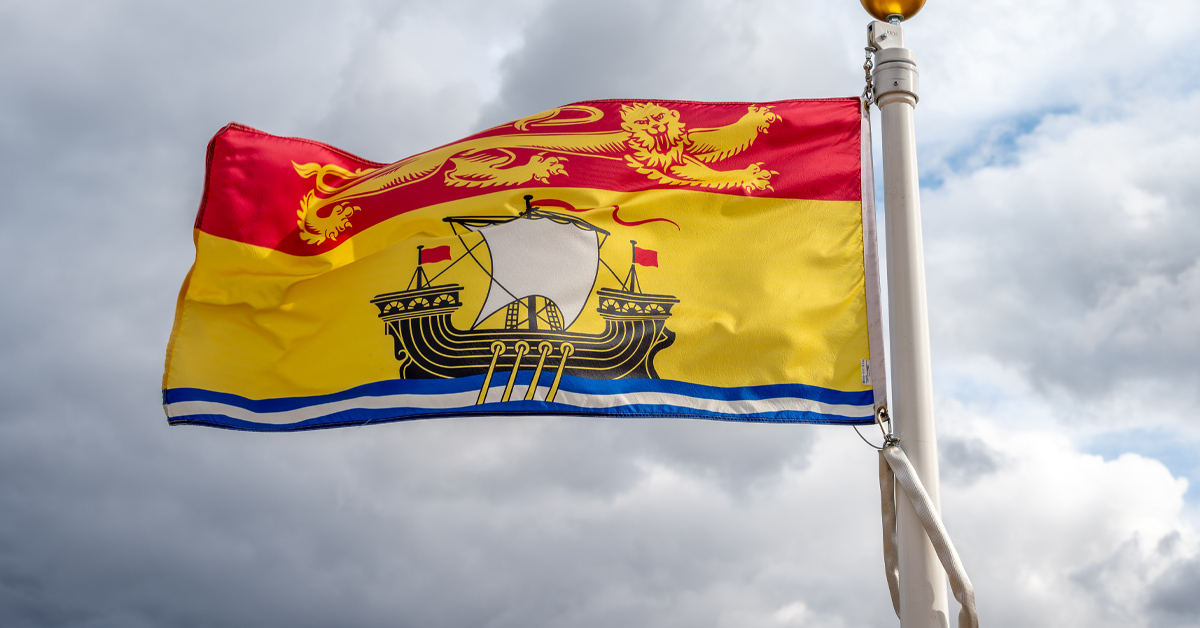
New Brunswick is experiencing a record surge in asylum claims, contradicting the federal government's claims of successfully reducing overall figures following a cut to immigration levels.
There have been roughly 255 asylum claims made inside New Brunswick this year as of the end of September, reported the Telegraph Journal.
The current number of claims is on track to surpass last year's record of 295. This figure was zero less than a decade ago and remained below 50 annually before 2023.
In August, the province recorded a record 50 asylum claims, followed by 40 more in September. These figures exclude border asylum requests.
New Brunswick has received 305 asylum claims this year—255 within the province and 50 at the border—with three months of data remaining, likely surpassing last year's record of 325.
Doug Ford expands on his desire to speed up work permits for tens of thousands of asylum seekers at taxpayer-funded hotels.
— Rebel News (@RebelNewsOnline) July 28, 2025
"If you have a pulse and you're healthy, you need to be working," he says. pic.twitter.com/lemsub1NT5
These figures contradict the federal government's report last week of overall declining asylum figures.
From January to September, Canada saw a 33% year-over-year decrease in asylum claims. The federal government attributes this to stricter scrutiny of temporary resident visa applications, resulting in a 66% drop in asylum claims from temporary resident visa holders in September 2025 compared to the previous year.
As of the end of September, Canada had 89,385 new asylum claims for the year, trending below the 171,835 total claims in 2024 and 143,310 claims in 2023, but still surpassing the 91,645 claims in 2022.
The 2023 expansion of the Safe Third Country Agreement to the entire Canada-U.S. land border, covering "irregular crossings" like Roxham Road, and restrictions on visitor visas from key source countries, have reportedly reduced illegal entries and asylum seekers in Canada.
The Carney government is advancing further changes in Bill C-12, tabled in October, while the federal Conservatives seek even tougher, sweeping amendments.
"Quebec has far exceeded its capacity to welcome and integrate people," Premier Legault says when asked about the province's push to ban public prayers.
— Rebel News (@RebelNewsOnline) September 22, 2025
Legault adds Quebec is struggling to manage an influx of asylum seekers, calling on PM Carney to reduce the numbers. pic.twitter.com/M5V73D424S
Immigration Minister Jean-Claude D’Amours suggested that interest in Canadian asylum often rises when U.S. immigration policy tightens. He added that most were of working age, and spoke French and/or English.
Federal data on asylum claims in New Brunswick reveals nearly half of claimants (150 of 305) are under 30, including 35 under 15. Only 60 claimants (about 20%) are 60 or older, and 170 (56%) are male.
Haiti accounts for the largest number of claimants at 55, followed by India (35), Nigeria (20), and approximately 15 each from Ghana, Congo, and the Republic of Guinea.
New Brunswick recently vowed to accept 400 asylum claimants from other provinces within two years. These individuals are counted as claims made in their original provinces.
WATCH: @TamaraUgo and @DreaHumphrey slam the federal government for allowing asylum seekers to file refugee claims through an online application process without face-to-face interactions with border security officials.https://t.co/oqJ5vY6Xhk
— Rebel News (@RebelNewsOnline) November 20, 2025
D’Amours noted that New Brunswick and other provinces have "very little control" over asylum seeker numbers. Claiming asylum seeks Canada's protection because returning home is unsafe, and they cannot be sent back until a determination is made.
After criminal and security checks, a foreign national claiming refugee status can enter Canada, granting them access to free healthcare, public schools, and work permits while awaiting a decision on their claim.
In the first three quarters of 2025, the Immigration and Refugee Board accepted 37,323 asylum claims and rejected 10,521. An additional 11,222 were abandoned or withdrawn.
The vast majority of the 295,819 pending claims—a backlog causing years-long waits—are still in Ontario and Quebec.
Alex Dhaliwal
Journalist and Writer
Alex Dhaliwal is a Political Science graduate from the University of Calgary. He has actively written on relevant Canadian issues with several prominent interviews under his belt.
Featured Stories


