Ontario's new bail reforms will likely leave organized crime syndicates unscathed
The ‘tightened requirements’ would force cash deposits and a digital surety system on the accused, hitting low-income Ontarians hardest while letting wealthy, dangerous offenders escape real consequences.

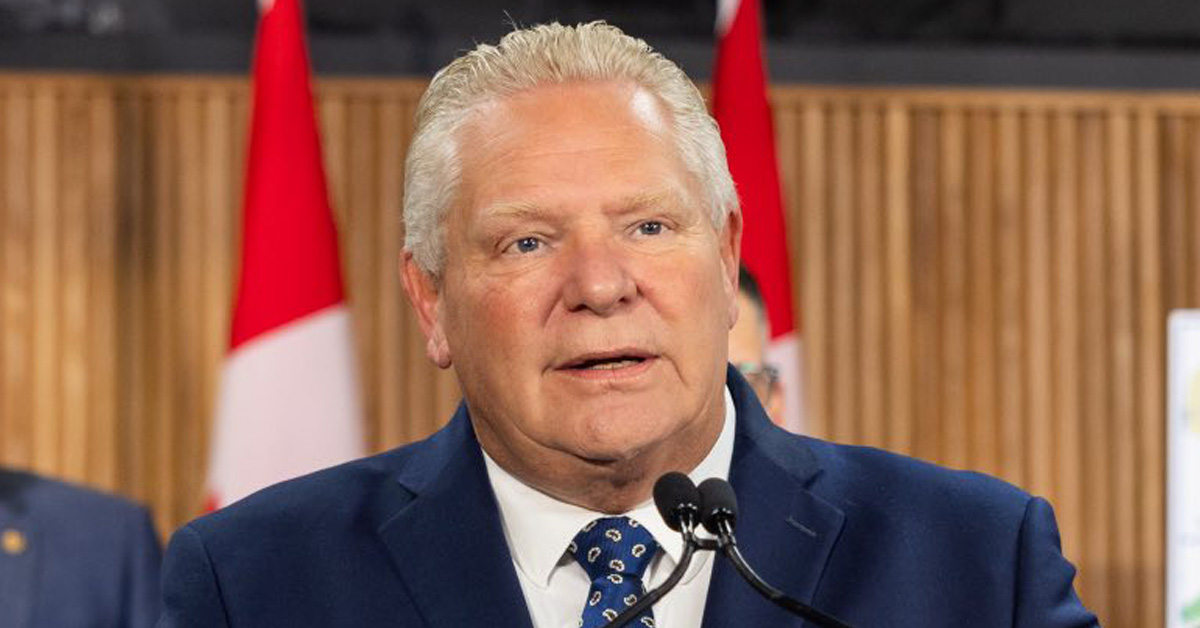
The Ontario government plans to introduce new bail reforms that would require accused individuals or their sureties to post a full cash security deposit before release. The measures are framed as a crackdown on repeat violent offenders, with Premier Doug Ford calling the changes a response to a “broken bail system” that has let violent offenders “out onto our streets too often.”
Canada’s broken bail system has let too many violent, repeat offenders out onto our streets too often.
— Doug Ford (@fordnation) November 24, 2025
Today, we’re cracking down with tough new bail reform, including requiring full cash deposits to be paid up front as a condition of bail.
Find out more:…
Attorney General Doug Downey echoed this, saying the legislation is meant to make bail “more real and consequential.”
However, it appears that the reforms offer few safeguards to ensure dangerous offenders remain behind bars, while potentially punishing those who cannot afford upfront deposits. Currently, individuals released on a promise to pay owe nothing unless they breach bail, which is a process that can be slow and difficult to enforce.
Under the new system, cash deposits would be required immediately upon release and returned only if the accused complies with bail through the end of their case. For many low-income Ontarians, this could effectively amount to a denial of bail.
The reforms are also unlikely to affect organized crime figures or wealthy offenders, who can easily cover deposits or rely on networks of family and associates.
In practice, the changes may disproportionately penalize the poor while leaving the most dangerous and well-resourced criminals largely unaffected.
Cobourg ON encampment takes hold, despite multiple shelter services available & historic 48% increase in provincial funding to prevent homelessness —
— Tamara Ugolini 🇨🇦 (@TamaraUgo) October 26, 2023
~$2 million to Northumberland County alone
Coincidentally violent crime is up ~42% in the areahttps://t.co/10R46kQiZP pic.twitter.com/0gMnKpeltW
Changes to bail requirements come amid a broader crisis in Ontario’s correctional system. Ontario Ombudsman Paul Dubé described the system facing a “growing crisis” in his 2024–2025 annual report, citing a 55% surge in complaints about jails and serious issues such as overcrowding, staff burnout and deteriorating conditions.
Government-funded advocacy groups operate unofficial drug use sites in Cobourg, ON, amid a surge in crime & burgeoning encampment situation
— Tamara Ugolini 🇨🇦 (@TamaraUgo) January 17, 2024
They welcome minors to a "safe place," promoting illicit drug use under the guise of reducing stigma
Full report:https://t.co/nUQy7UyHLz pic.twitter.com/YrZaXm8lrp
Associate Solicitor General Zee Hamid said the new bail reforms aim to “restore public trust” by giving courts and police more tools to enforce bail conditions. Whether they succeed in reducing repeat offences and improving overall safety remains to be seen.
Featured Stories

10:48


14:02

COMMENTS
-
Bruce Atchison commented 2025-11-24 19:54:36 -0500What an utter idiot Ford is! Of course rich criminals can make cash bails. And what about people arrested falsely? Rebel reporters have been held in police custody. What if they can’t make a cash bail because they hold the wrong political beliefs?