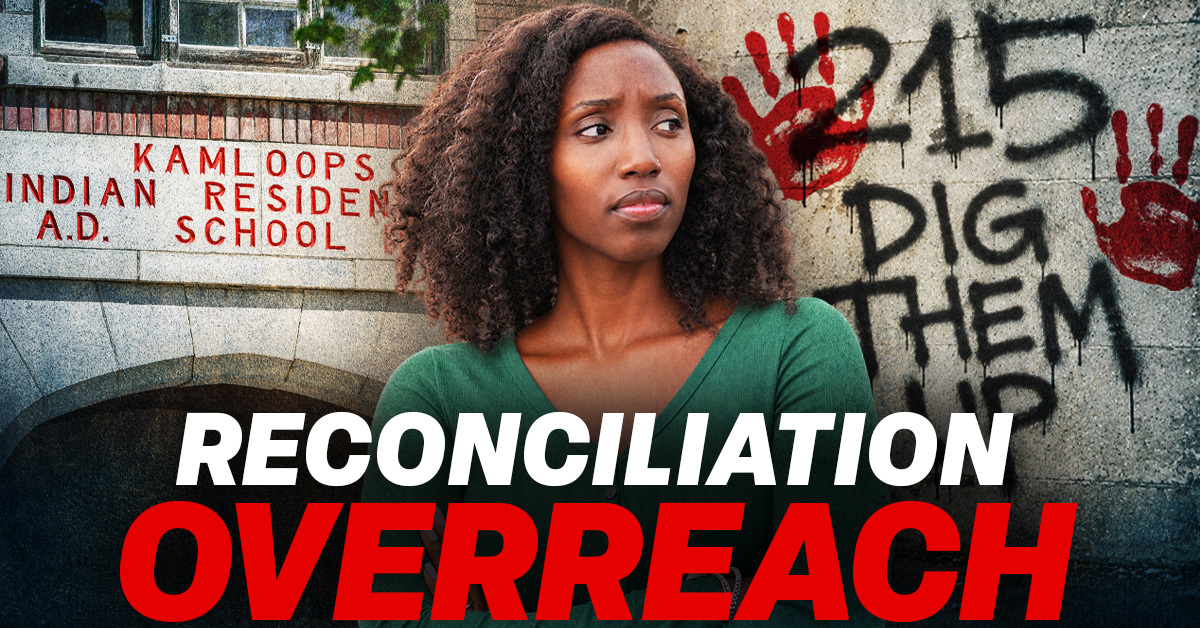
Reconciliation Overreach
Reconciliation Overreach
No elected official in a democracy is above scrutiny — and no journalist should be threatened for saying so.
Over the past few weeks, many of you loved our new orange shirt line. In fact, it became the number one seller in the Rebel News Store.
We made it clear the shirts were about demanding government accountability and normalizing the pursuit of truth, not minimizing the documented harms of residential schools.
Yet, some called them offensive. “Denialism,” even. Rebel News reporter Drea Humphrey received a barrage of hateful and threatening messages over them.
So Drea has an apology to make.
She’s sorry she didn’t do what she’s about to do sooner.
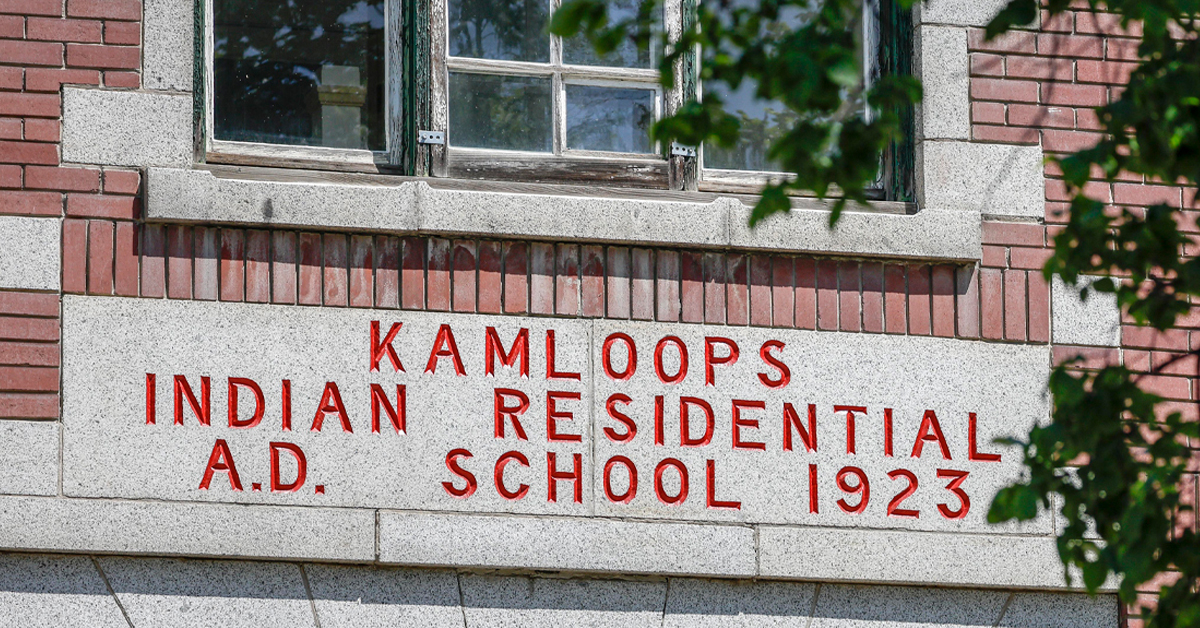
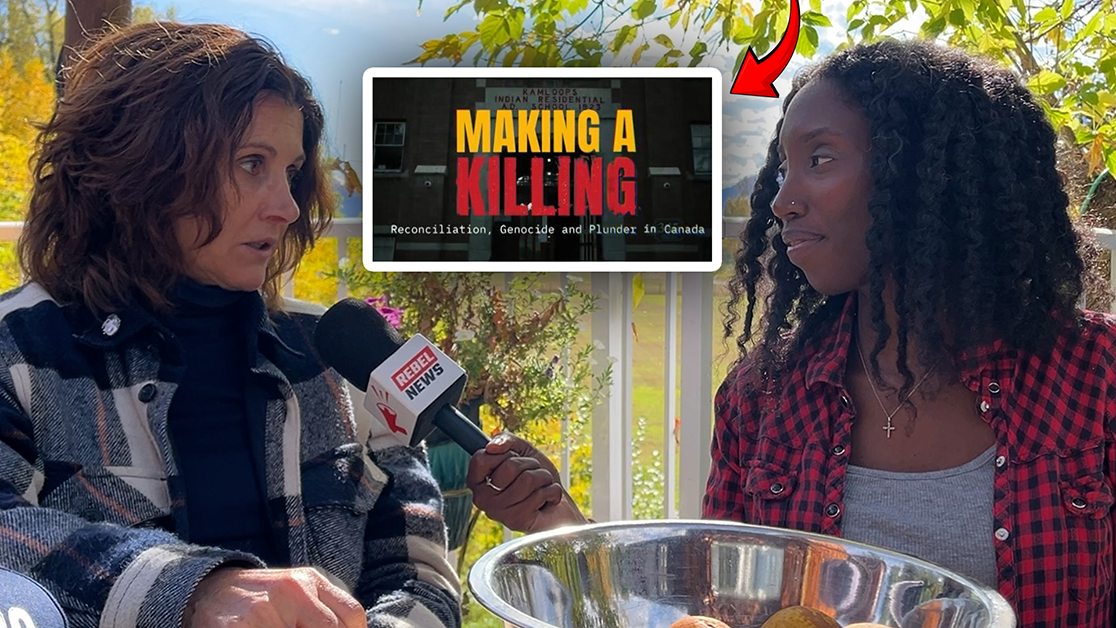
For five years, Drea has investigated the claims surrounding potential unmarked graves at Canada’s former residential schools, including the still-unproven Kamloops claim that the remains of 215 children had been discovered.
She asked for evidence. She called for transparency.
The band later backpedalled from its discovery claim to “200 anomalies” or “targets of interest,” and Drea has continued asking questions as the years passed without an excavation, despite millions in taxpayer dollars given to the band to dig for the truth.
She’s not sorry for that reporting. And she’s definitely not sorry that, so far, there’s no proof that hundreds of murdered children are buried there.
What she is sorry for is that it took this orange shirt controversy to realize those same questions about government transparency, accountability and evidence need to go much further.
Because while politicians and journalists claim to be committed to reconciling the wrongs of Canada’s past, the truth is much more needs to be done to help the many Indigenous Canadians suffering today.
Help us Expose Reconciliation Overreach
That’s where Drea’s reporting is going next.
Indigenous Canadians today are around six times more likely to be murdered than non-Indigenous Canadians, mostly by other Indigenous people. Indigenous children make up more than half of foster care children despite being less than 8% of our child population. Today’s Indigenous Canadians are more likely to live in poverty, be imprisoned, be born with fetal alcohol syndrome and experience childhood sexual violence.
Meanwhile, over the past decade, federal spending on reconciliation and Indigenous priorities has nearly tripled, reaching $33.1 billion in 2024-25 alone. Yet some Indigenous Canadians living on reserve question whether the money their band governments manage for their communities is actually reaching the people it is meant to help.
So where is that money going? What’s working? What isn’t? And where are the journalists brave enough to ask?
Rebel News scrutinizes Ottawa and provincial politicians when they aren’t transparent. Why should an elected band government be exempt?
If reconciliation policies see billions of taxpayer dollars spent, land titles and access to public lands challenged, and the truth about unmarked-grave claims stay buried, all Canadians deserve to know what impact those policies are having.
And when governments, including First Nation governments, miss the mark on addressing the harms and injustices Canadians face today, journalists should be free to investigate why, without being attacked or threatened.
Drea will follow the money, investigate the outcomes, and expose overreach where she finds it — and shine a light on solutions that are working.
Have a story we should investigate?
Send your tip to: [email protected].
Are you Indigenous and concerned about how reconciliation or other tax funding meant to benefit your community is being managed?
Do you have information the public should know about government leadership, housing, or unmarked-grave claims?
Have your property, business rights, freedom of movement or access to Crown land been negatively impacted by government decisions made in the name of reconciliation?
Have you lost a loved one to violence and believe race-based sentencing principles or other laws prevented justice from being properly served?
We want to hear from you.
Credit where credit is due
If your Indigenous community is thriving, we want to know why.
If your leaders are using public money effectively, creating opportunities, improving conditions or finding solutions other communities could learn from, we want to tell those stories too.
Because reconciliation shouldn’t be measured simply by how much governments spend or how many promises politicians make.
Related News
27:21