
Albanese, Ley near deal on hate speech bill as One Nation continues to soar
Government and opposition leaders are reportedly edging closer to agreement on controversial new legislation following the Bondi Beach terror attack.

Prime Minister Anthony Albanese and Opposition Leader Sussan Ley are reportedly closing in on an agreement over the controversial hate speech bill, even as divisions deepen within the Coalition over the scope of the proposed laws.
Nationals leader David Littleproud told shadow cabinet the party could only support the migration elements of the hate speech package. The National Party holds serious concerns about Division 114A, which allows prosecution where speech is deemed to cause offence and psychological harm.
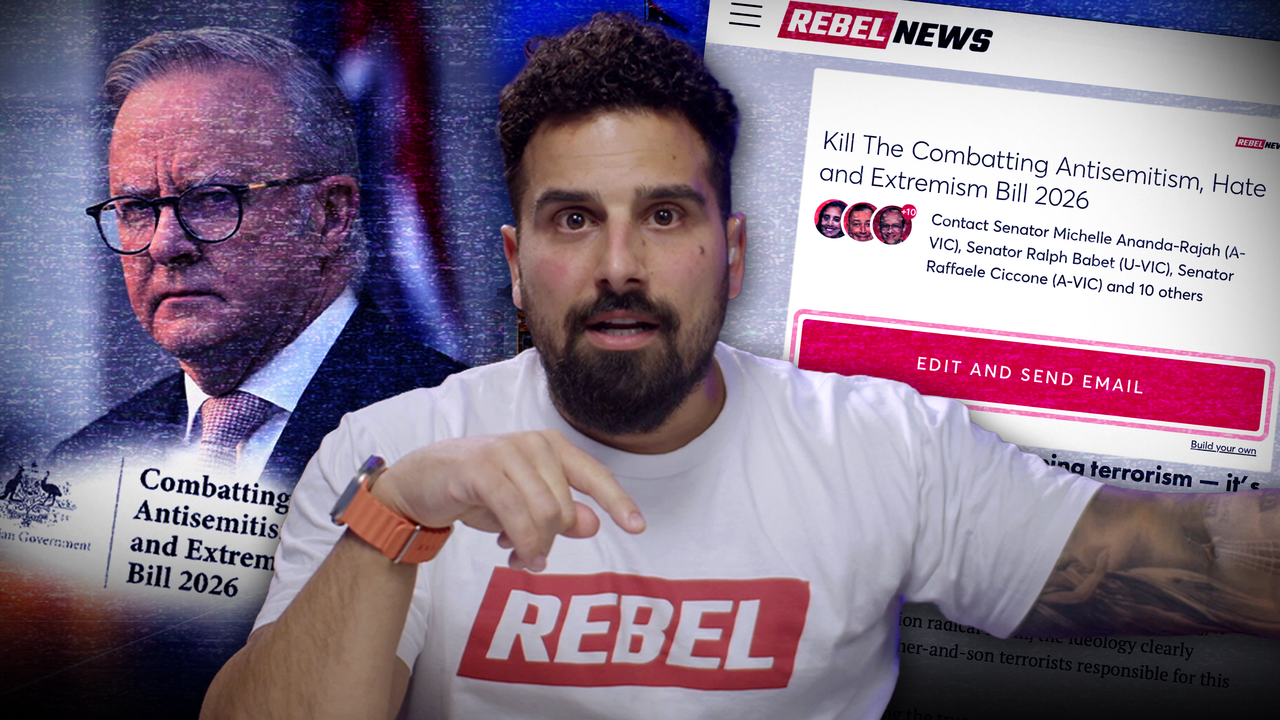
⚠️This ‘hate speech’ bill will JAIL you, not terrorists
— Avi Yemini (@OzraeliAvi) January 16, 2026
ACT NOW!👉 https://t.co/CmEAFFUxK2 pic.twitter.com/tVramIAie5
The debate follows comments from Home Affairs Minister Tony Burke, who said discussions with the Coalition had been constructive ahead of a scheduled vote on Tuesday. “So those conversations continue. I don't think we've quite settled absolutely everything, but I think we're really close,” he said.
Burke said talks were ongoing around the listing and proscription of hate organisations. “We’re trying to work our way through on the listing of hate organisations, and being able to proscribe particular organisations,” he said.
He acknowledged the longstanding difficulty governments have faced in banning groups such as Hizb ut-Tahrir and the National Socialist Network, noting they have previously failed to meet the legal threshold because they “don’t explicitly call for violence”.
Barnaby Joyce tore into the proposed bill, calling it "substantially different" (or "doctored") and arguing that the real focus should be on antisemitism and Islamic terrorism.
— katy 🌸 (@KatyKray73) January 20, 2026
"Why are you voting for something, might I suggest you haven’t even read it?"
Well done Barnaby! pic.twitter.com/fZmk3kf8K3
“Either those particular groups continue to go on their merry way or new laws are passed that provide the government with options,” Burke said.
Under the proposed framework, the home affairs minister would gain powers to ban organisations, prompting concerns about overreach. Liberal MP Andrew Hastie and Senator Jacinta Nampijinpa Price have indicated they oppose the legislation.
Burke responded to suggestions of MPs crossing the floor, saying: “Some of the people who … are allegedly proposing crossing the floor, are people who have called for these organisations to be banned.”
Shadow home affairs minister Jonno Duniam said the reforms carried risk but included safeguards. “This is, as far as we've been able to push the government to get the legislation in the shape to do, about targeting groups like Hizb Ut-Tahrir,” he said.
Listen to @RealBobKatter speak the truth. One of the few doing so.pic.twitter.com/xK9H8VR3Tl
— R3tards Down Under (@r3tarddownunder) January 20, 2026
Despite internal tensions, both sides argue the laws would strengthen authorities’ ability to combat extremism and protect Jewish Australians.
Meanwhile, the popularity of Pauline Hanson’s One Nation continues to soar, with many Australians questioning why the bill doesn’t explicitly name the cause of the Bondi Beach terror attack: Radical Islam.
Hanson recently credited the surge in popularity for One Nation to Australia’s growing frustration with the two-party system and lack of leadership on a range of issues affecting working-class Aussies.
Featured Stories
04:52


COMMENTS
-
Bruce Atchison commented 2026-01-20 19:33:11 -0500Just like in other commonwealth countries, these politicians are never letting a crisis go to waste. I see the way these people consolidate power by passing poison-pill bills supposedly to deal with the latest emergency. Creeping socialism is far harder to fight because it uses lies and obfuscations. Stupid people fall for all that sophistry.