An independent Alberta should scrap First Nations treaties: Bruce Pardy
The existing system in Canada has “acted exactly to the detriment of the people that everybody thinks it's designed to protect,” argues Queen's law professor Bruce Pardy, who said scrapping the treaties is “one of the many ways in which Alberta needs to start again.”

Should Albertans vote to become an independent country, law professor Bruce Pardy believes it would be in the new nation's best interests to end treaties signed with First Nations groups.
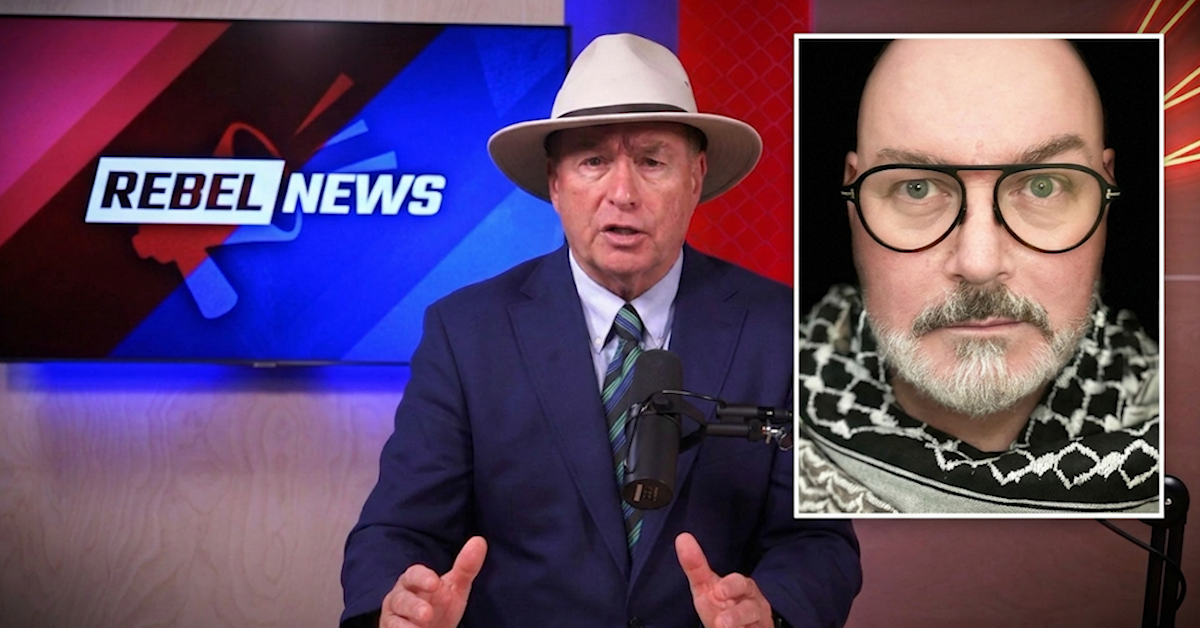
Joining The Ezra Levant Show earlier this week, Pardy said the treaties aren't required to be part of a newly independent Alberta “those treaties are part of the Canadian constitutional order.”
However, “the point of independence,” the professor told Ezra, “is to repudiate the existing constitutional order — all of it.”
Expanding on this view, Pardy said the treaties were drafted in a different era, a time when case could be made that “you were dealing with two different peoples” with distinct cultures. “Those days are long gone,” he added.
In today's world, this leads to “different tiers, different sets of rights and entitlements” for Canadians, Pardy said, describing it as “a fiction.”
To return to the central foundation of “Western legal systems,” an independent Alberta should ensure “the same rules and standards apply to everybody, without regard to your parents, your lineage, your group, your race, your colour, your sex, your orientation; doesn't matter, justice is supposed to be blind.”
Not adhering to these principles means “your legal system is not truly Western in the way it's working,” the Queen's University law professor said.
The existing system in Canada has “acted exactly to the detriment of the people that everybody thinks it's designed to protect.” Currently, Indigenous Canadians can be “oppressed by their own leadership, as well as by government officials, bureaucrats and lawyers.”
Scrapping the treaties is “one of the many ways in which Alberta needs to start again,” he continued. Small tweaks around the margins of Canada's existing framework aren't enough; “you have to get rid of it and start again.”
RebelNews+ Clips
RebelNews+ is our premium subscription service, which gives you access to our exclusive long form, TV-style shows, documentaries, members-only comments section, and the ability to read RebelNews.com without ads.
Subscribe now to get the full experience!
https://rebelnewsplus.com/Featured Stories


15:14

COMMENTS
-
 Bernhard Jatzeck commented 2026-03-11 17:46:33 -0400This could be, legally, a tricky matter. The treaties were made with the federal government. In an independent Alberta, would that same government still have jurisdiction over the land that was set aside when those treaties were drawn up and signed and, if so, how would it be administered?
 -
Shannondoah Pitts commented 2026-03-11 15:56:26 -0400Well I will not be taking a law course at Queens. 1. The FN in Alberta (treaty nations) ceded all land and other rights to the government in the treaties. 2. The Federal government owns the FN reservation land and manages it. 3. The treaty nations in Alberta own zero land. Reservation land (less then 1% of Alberta land) will always belong to the Feds and they have the legal obligation of managing the FN under treaty. Why would the Republic of Alberta want to take this on at its cost? I fully agree everyone is equal in the new Republic of Alberta and there are no FN differentials we are all Alberta’s. One law, one constitution, one citizen.