


B.C. residents say Richmond land grab will damage reconciliation: poll
On August 7, 2025, the B.C. Supreme Court granted the Cowichan Tribes Aboriginal title to 800 acres in southeast Richmond.

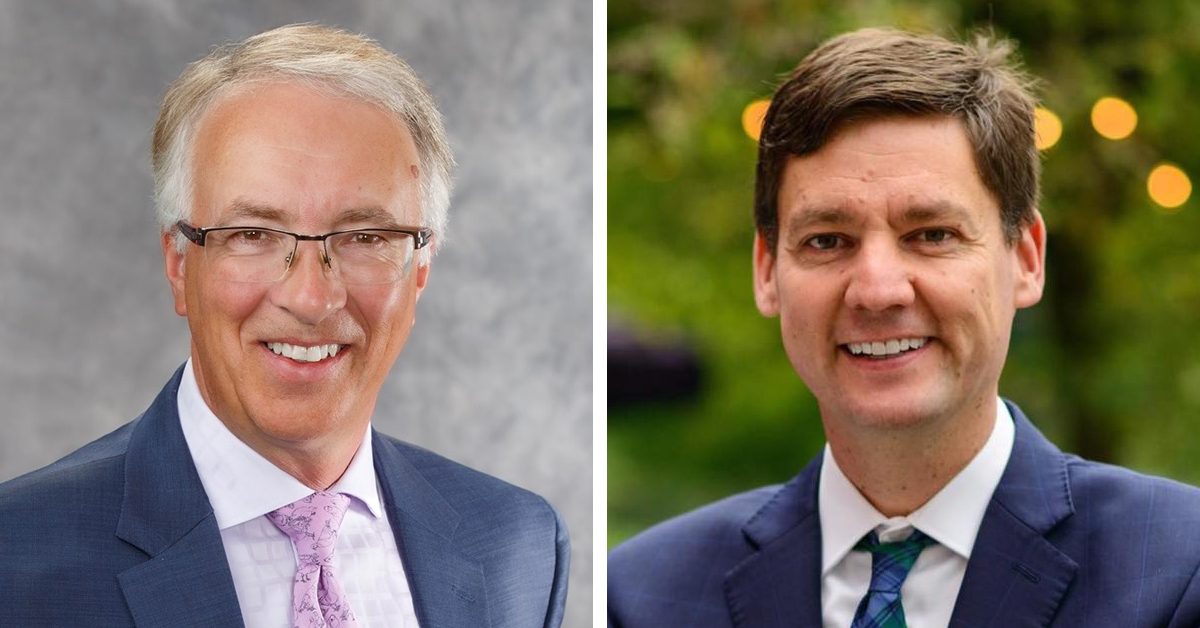
A B.C. Supreme Court decision affirming Cowichan Nation's Aboriginal title over a portion of Richmond, including private land, has sparked debate and concern among British Columbians. Three-in-five believe this will harm Indigenous-provincial relations.
Lyackson First Nation chief Shana Thomas called the ruling “a step toward Reconciliation,” but Angus Institute data shows 66% of B.C. property owners and 48% of non-property owners disagree, including over half of past B.C. NDP voters and nearly four-in-five past B.C. Conservative Party voters.
Attorney General Niki Sharma says the ruling could have "significant unintended consequences for fee simple private property rights." Most B.C. residents (61%) support the appeal; 12% oppose it, and 27% are unsure.
On August 7, 2025, the B.C. Supreme Court granted the Cowichan Tribes Aboriginal title to 800 acres in southeast Richmond (Tl’uqtinus), including private property and fishing rights. Justice Barbara Young issued the ruling, which gives Indigenous peoples constitutional ownership and jurisdictional rights over unceded territories, allowing them to decide land use.
The B.C. government appealed in September, citing private property concerns. British Columbians support the appeal five-to-one (27% uncertain), including 51% of B.C. NDP voters and 80% of B.C. Conservative voters.
This follows the B.C. government recognizing Haida title over Haida Gwaii via a land transfer with the Council of the Haida Nation, protecting private property.
Asked if the court ruling furthers reconciliation, 60% of B.C. residents believe the court decision harms Indigenous-provincial relations. Only 14% believe it helps.
On October 19, the City of Richmond, B.C., warned hundreds of property owners about a provincial Supreme Court ruling that could negatively affect their property titles. Cowichan Nation denies seeking to invalidate private land titles.
Richmond, B.C., residents confronted Mayor Malcolm Brodie Tuesday night, upset they were just learning of the case, which began in March 2014 with the trial starting in September 2019. Residents at the meeting questioned the delay in notification.
In 2017, Justice Jennifer Power denied a request for formal notice to landowners but noted that Richmond, federal, and provincial governments could still informally notify private landowners.
Brodie and others argue this could upend the modern land title system nationwide, leaving questions about the coexistence of Aboriginal and fee simple titles and conflict resolution.
Sharma informed residents that challenging Aboriginal title against fee simple ownership was futile, as B.C.'s land title system ensures legal certainty for landowners.
The Cowichan decision is seen as "serious" by 67% of B.C. residents, fearing property rights impacts, despite the Cowichan Nation's assurance. This concern is higher among BC Conservative voters (88%) and property owners (74%).
The Province, City of Richmond, Vancouver Port Authority, Tsawwassen First Nation, and Musqueam Indian Band have appealed in recent months.
Alex Dhaliwal
Journalist and Writer
Alex Dhaliwal is a Political Science graduate from the University of Calgary. He has actively written on relevant Canadian issues with several prominent interviews under his belt.
Featured Stories


COMMENTS
-
 Bernhard Jatzeck commented 2025-11-01 01:40:13 -0400Maybe that was the objective all along.