


Boiled water advisories up 32% on reserves, minister says
There are currently 37 active, long-term drinking water advisories affecting 35 First Nations, up from 28 in 2024.

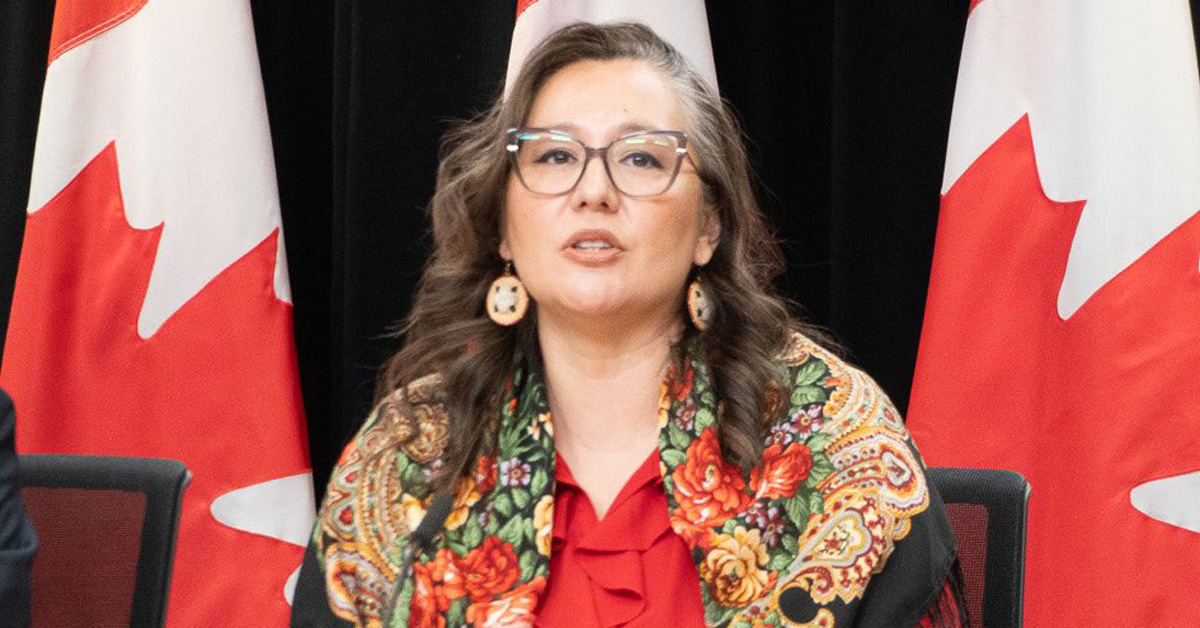
Indigenous Services Canada reports a 32% rise in long-term boil water advisories on First Nations from last year, according to Blacklock’s. This increase occurs over four years after cabinet pledged $3.6 billion to end all advisories, with many First Nations still lacking safe tap water.
On June 23, 37 active long-term drinking water advisories affected 35 First Nations, up from 28 in 2024, according to a departmental report to the Senate national finance committee.
The department attributed the unexplained increase to First Nations leadership, stating they are "the decision makers" regarding their water and wastewater infrastructure.
“Some advisories remain in effect even when an infrastructure project has been completed if a community does not have a trained water system operator to safely operate and maintain the system,” the report stated.
Indigenous Service Minister's dep't discloses First Nations long term boiled water advisories are up 32% after @GCIndigenous promised to eliminate them at a $3.6B cost. https://t.co/c85oIJI3rk #cdnpoli pic.twitter.com/LIfkznezD3
— Blacklock's Reporter (@mindingottawa) August 1, 2025
Auditors reported that the $3.6 billion allocated in 2021 was not enough to fulfill the promise made on March 31, 2021, to eliminate all boiled water advisories in First Nations communities.
An Evaluation Of The Water And Wastewater On-Reserve Program revealed a critical lack of resources and training, stating: “There are not enough resources to address all vulnerable systems.” The evaluation found that only 74% of water managers and 66% of sewer managers on First Nations had proper training.
Evaluation highlighted that inadequate funding for water and wastewater system maintenance presents immediate risks and shortens infrastructure lifespan, with many systems facing medium to high risk of failure.
Indigenous Services Canada manages 725 water plants and 450 sewage systems in First Nations across the country. Parliament covers 80% of costs, but communities often lack the remaining 20%, leading to insufficient resources for vulnerable systems.
Trudeau’s reconciliation scam FAILED Indigenous people: report
— Rebel News (@RebelNewsOnline) January 15, 2025
Evidence shows Justin Trudeau has failed to improve relations with Indigenous peoples over his tenure, prioritizing apologies over meaningful outcomes.https://t.co/KqOBKYSZVD
A Privy Council report from January indicates the Liberal government's reconciliation efforts largely failed, given that many communities still lack drinkable water, have poor infrastructure, and limited access to healthcare and education.
Surveys reveal that most First Nations residents still rely on bottled water for consumption, with a report indicating that one in five perceive their drinking water as less safe than five years ago.
A number of First Nations, Inuit and Métis respondents claim reconciliation is a priority, though efforts procured no “tangible improvements” in their quality of life.
A 2015 Ministerial Mandate to “renew the relationship between Canada and Indigenous peoples” was not fulfilled under Justin Trudeau, according to Blacklock’s.
Trudeau was seen in Tofino, B.C., on the first Truth and Reconciliation Day, while Canadians honoured residential school victims. The Native Women's Association quickly rejected his apology.
Alex Dhaliwal
Journalist and Writer
Alex Dhaliwal is a Political Science graduate from the University of Calgary. He has actively written on relevant Canadian issues with several prominent interviews under his belt.
Featured Stories

19:22

05:25


COMMENTS
-
 Jamie Fuller commented 2025-08-02 11:25:37 -0400All the phoney land acknowledgments mean nothing if First Nations people still have to drink poisoned water. The bureaucrats who write these phoney scripts are drinking Evian bottles and patting themselves on the back for being such good, patronizing saints.
 -
Bernhard Jatzeck commented 2025-08-01 23:31:24 -0400All the money that’s been paid, and there’s still contaminated water. It makes one wonder where that cash went.
-
Bruce Atchison commented 2025-08-01 21:07:47 -0400Let private services deal with fixing infrastructure and pay up when they’ve completed the jobs.

