


Canada’s Fentanyl Czar admits the opioid crisis is bigger than he thought
Trump’s tough talk on curbing the flow of illicit drugs across the border has forced Ottawa to confront the reality that Canada can no longer ignore the criminal networks and social decay fueled by the opioid epidemic.

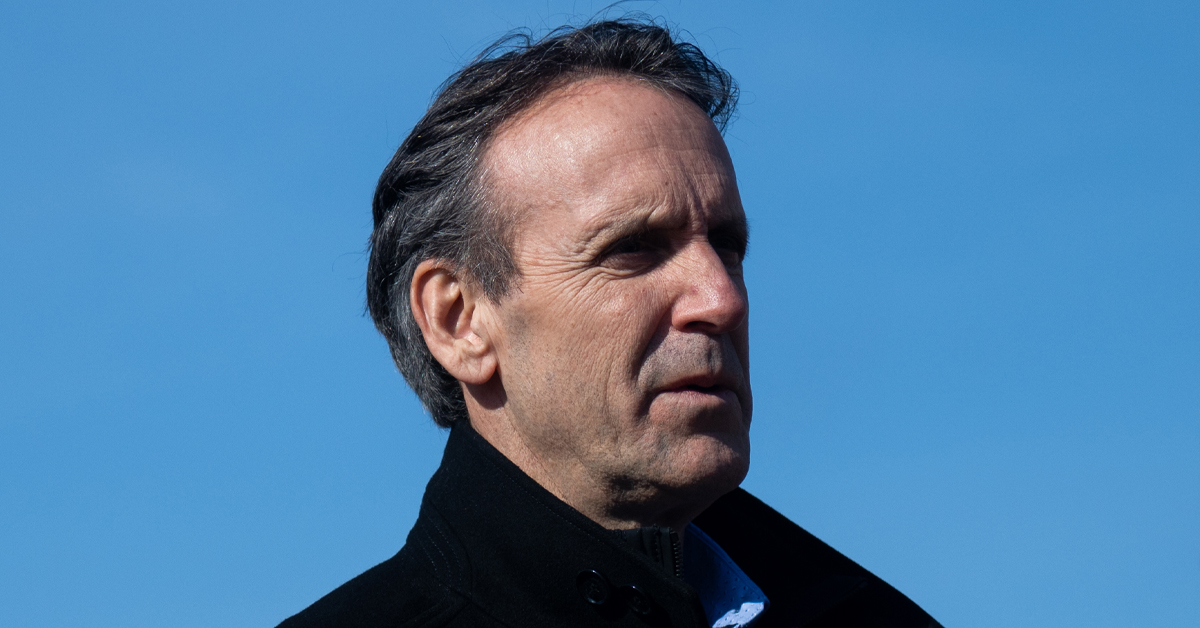
Canada’s Fentanyl Czar Kevin Brosseau has acknowledged that he severely underestimated the scale and devastation of the opioid crisis before taking up his new federal role. It’s a revelation that many Canadians living amid the fallout of the epidemic have long known all too well.
Brosseau, a former RCMP deputy commissioner, admitted during a keynote address at the Understanding and Implementing New Regulations conference, hosted by the Association of Certified Anti-Money Laundering Specialists (ACAMS) in Toronto, that nearly a decade away from front-line policing had left him unaware of the full scale of devastation synthetic opioids have inflicted on communities across the country.
Proposed military-grade modular tents aim to break chronic homelessness, addiction cycles in Cobourg
— Rebel News (@RebelNewsOnline) October 27, 2025
Jordan Stevenson, founder of the Integrated Homelessness Addiction Response Centre, warns that taxpayers will bear the financial burden of the opioid crisis, with or without a… pic.twitter.com/aSVheaUu9L
His comments come eight months after his appointment — a move that only occurred following pressure from U.S. President Donald Trump, who declared that illicit drugs flowing from Canada posed an “unusual and extraordinary threat” to the United States.
Trump’s executive order, which threatened tariffs if Ottawa failed to act, appears to have done what years of political posturing in Canada could not: force the federal government to publicly confront the criminal networks profiting off fentanyl.
For residents in cities and towns overrun by open drug use, violent crime, and street disorder, Brosseau’s admission offers a rare moment of validation. For years, citizens, business owners, and local officials have pleaded for meaningful federal intervention — only to be dismissed or ignored by political leaders focused on harm reduction rhetoric rather than enforcement or prevention.
Cobourg Mayor Cleveland (SIC) asks the Finance Committee why Bill C-59 lacks mental health funding for treatment or bail reform to aid his community currently under siege by a vocal minority
— Tamara Ugolini 🇨🇦 (@TamaraUgo) April 9, 2024
"It's not cavities that are destroying my community," he sayshttps://t.co/10R46kQiZP pic.twitter.com/Clca3FVzFJ
Since taking office, Brosseau says he has gained a “deeper understanding” of the sophisticated global operations driving fentanyl trafficking. While he maintains that Canada is not a major source of the drug entering the United States — noting that only a negligible amount crosses the northern border compared to the Mexican frontier — he acknowledges that any level of smuggling is unacceptable.
Public indecency becomes the norm in Cobourg, once coined "Ontario's Feel Good Town," as guarded 24/7 by private security & recently fenced encampment grows at taxpayers' expense
— Tamara Ugolini 🇨🇦 (@TamaraUgo) July 9, 2024
Emergency services are stretched thin; community safety and protection increasingly compromised pic.twitter.com/KnBdywUI0G
“The movement of money related to illegal fentanyl is sophisticated,” Brosseau is quoted by the Globe & Mail, “but it leaves a trace for us to follow. That’s the Achilles’ heel of the bad actors.”
For those living through the daily realities of drug-fueled lawlessness, Brosseau’s late awakening underscores what many already believe: it took an international embarrassment and the blunt force of Trump’s diplomacy to finally push Canada’s political establishment to confront an epidemic that has long ravaged its streets.
Featured Stories

03:31

10:27


COMMENTS
-
 Bernhard Jatzeck commented 2025-10-30 21:26:28 -0400But Trump was the baddy for wanting Canada to do something about it, wasn’t he?