

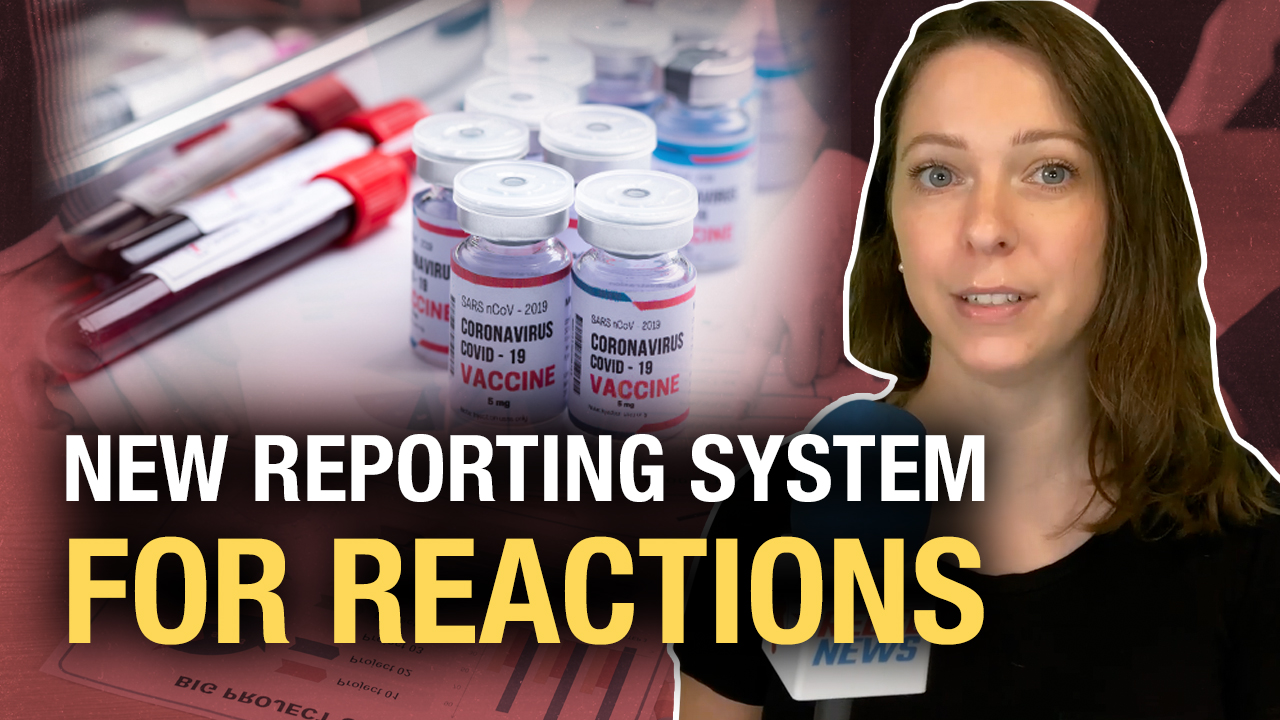

Concerned Canadian fills gap in COVID vaccine adverse events reporting

Vaccine adverse events underreporting is a well-known occurrence that seems to be exacerbated by the aggressive censorship of dissent and intolerability of questioning that have been par for the course of navigating the COVID-19 narrative.
I first reported on this subject in May 2021 when ER Doctor Patrick Phillips was having his adverse events reports rejected by his local medical officer of health. As far as I know, his reports never made it into the Canadian Adverse Events Following Immunization Surveillance System (CAEFFIS).
Seeing a need to provide appropriate experts and health professionals with accurate data, concerned citizen Max Daigle took matters into his own hands and developed the Canadian Adverse Events Reporting System (CAERS). It is now affiliated with the Canadian COVID Care Alliance (CCCA).
Despite the mainstreamists at the CBC (who continually publish faulty reports) attempting to smear this initiative a mere few days after it first launched in New Brunswick in December of 2021, Daigle persevered but has to be careful with how much he discusses publicly. He says that he now has a hard time reading all of the submissions because many people are suicidal due to feelings of hopelessness after being abandoned by the medical establishment, including their own doctors, and family members.
Referring to Vanessa’s Law, Daigle highlights that medical professionals should be bound by the legal duty to report even suspected adverse events.
Because if the CAERS program wasn’t at least trying to keep an accurate track record to help inform the medical community and the general public then who would? Who else is going to take this on, if our own government is failing in its duty to report?
Featured Stories

11:12
09:00


