

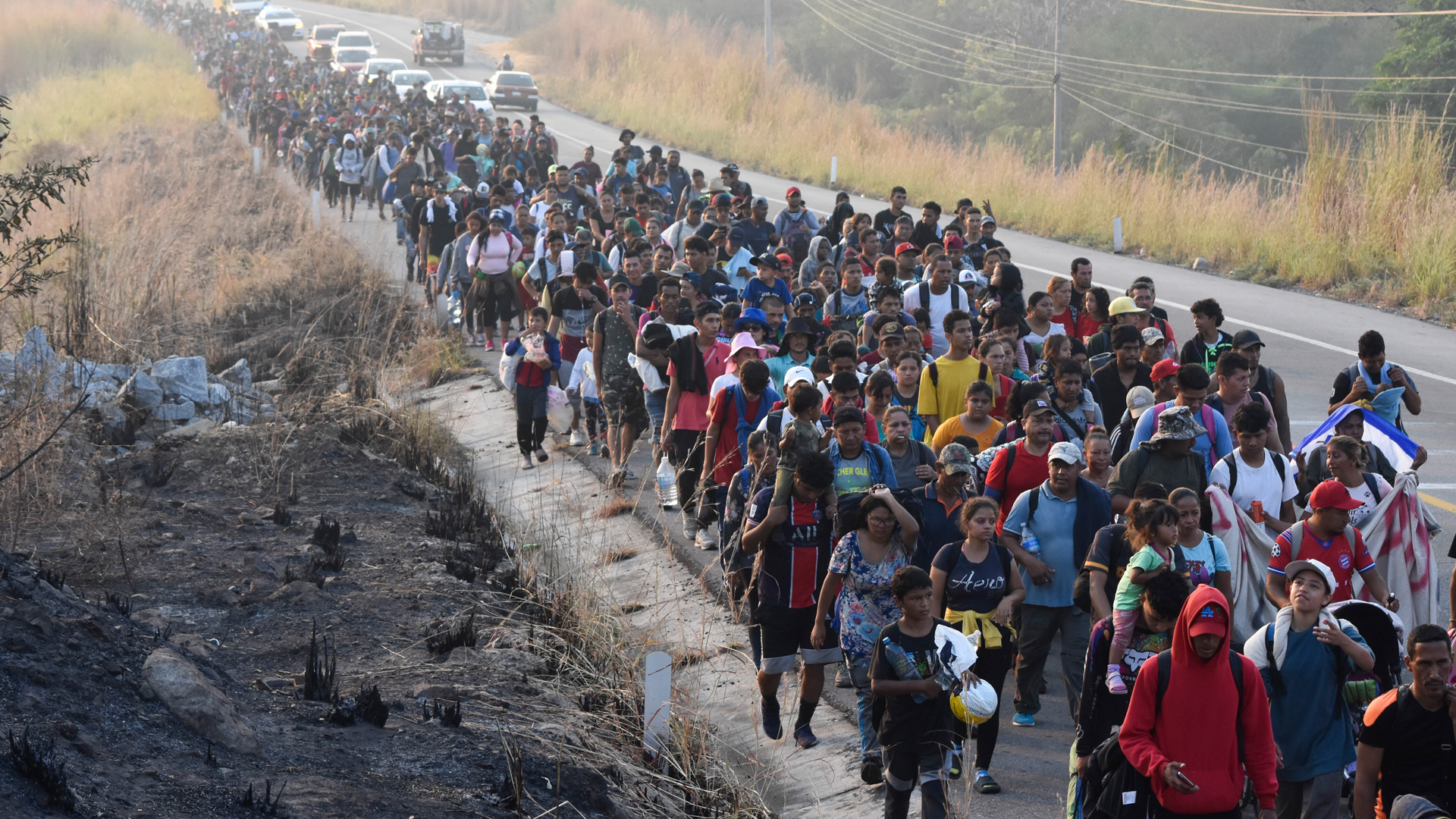

Feds to phase out funding for migrant hotels after costly $3 billion program

Costly hotel subsidies for illegal immigrants and refugees are being phased out by the Department of Immigration, new records show. As of 2026, the onus will be on local authorities to find “permanent, sustainable” housing for foreigners, it said.
“Funding in 2026 will be conditional on provincial and municipal investments in permanent transitional housing solutions for asylum claimants,” the department wrote the Senate national finance committee.
The feds have expended $1.76 billion to address the interim housing needs of asylum claimants, wrote department managers. They allocated $960 million to municipalities and provinces through the Interim Housing Assistance Program, and $796.5 million to hotelkeepers.
In line with the quiet disclosure, local authorities and hotels will receive $1.1 billion for three years, “starting in 2024.” Any subsidies henceforth would go towards permanent housing, reported Blacklock’s Reporter.
“In Budget 2024 the federal government indicated its intent to continue to support jurisdictions while shifting focus towards permanent approaches,” the disclosure reads. They did not clarify where to find permanent housing.
Illegal immigration costs exceed Old Age Security by ten times: report
— Rebel News (@RebelNewsOnline) May 6, 2024
Room and board for illegal immigrants is costing an average $224 per day, according to new immigration data. By comparison, Old Age Security pays recipients $26 daily.https://t.co/cqgEBGuP6w
“Provincial budgets have been stretched thin and are now in the hundreds of millions of dollars to pay for social services,” Conservative MP Larry Maguire said last December.
“Cities have declared housing emergencies, homeless shelters are full, and millions have been spent on hotel rooms,” he added.
Historically asylum claimants had to secure their own housing or access “provincial and municipal shelter systems,” but the higher than expected volume of claimants circa 2017 forced the Government of Canada to spend billions for temporary shelter, including hotel rooms.
Room and board for illegal immigrants is costing an average of $224 per day, according to new immigration data. By comparison, Old Age Security pays recipients $26 daily.
The typical hotel stays amounted to $140 per day, with food costing $84, reported Blacklock’s Reporter. Lengths of stay vary from a few weeks to a few months.
An inquiry of ministry said accommodating illegal immigrants ensures compassionate treatment, while preserving the integrity of the immigration system.
“This is about sustaining Canada,” Immigration Minister Marc Miller told Freakonomics. “That is not doable without people coming in from abroad,” he said.
Miller boasted that Canada’s population surpassed 40 million people, while minimizing the costs incurred by illegal immigration “Geographically it’s difficult to reach Canada,” he said.
Illegal immigrants have primarily entered Canada through Québec, but have also come through Ontario, Manitoba and British Columbia.
Their room and board cost $769 million last year, according to December 7 testimony at the Senate national finance committee. Hotel costs were $557 million, and reimbursing municipalities cost $212 million.
No federal auditor to date has calculated total costs of illegal immigration.
While discussing the housing crisis after overseeing record-high immigration numbers, Trudeau concedes, "Once you've been in power for eight-plus years, it becomes harder and harder to blame the previous guys for challenges you're facing." https://t.co/vD78U4ZuZQ pic.twitter.com/CUOsHuTyKa
— Rebel News (@RebelNewsOnline) April 18, 2024
According to the May 1 Housing Market Outlook, housing shortages will persist for several years, exacerbating the demand for rental housing.
“Rents will rise and vacancy rates will fall,” said Outlook, noting home ownership costs will force occupants to remain in rental housing. “Growing demand for rental homes will not be met,” it added.
Analysts counted 240,267 housing starts last year compared to 261,849 the year before, reported Blacklock’s Reporter. The rates are less than a third the number of yearly starts required to reach an “affordability” target of 3.5 million new homes by 2030.
“Supply challenges, notably the lagged effects of higher interest rates, mean new construction in 2025-2026 will not reach 2021-2023 levels,” said Outlook.
Featured Stories


