


Food costs up 27% since pandemic, report says
Since July 2020, Canadian grocery prices have soared 27.1%. In July, the Consumer Price Index rose 1.7% annually, primarily due to these increased costs.

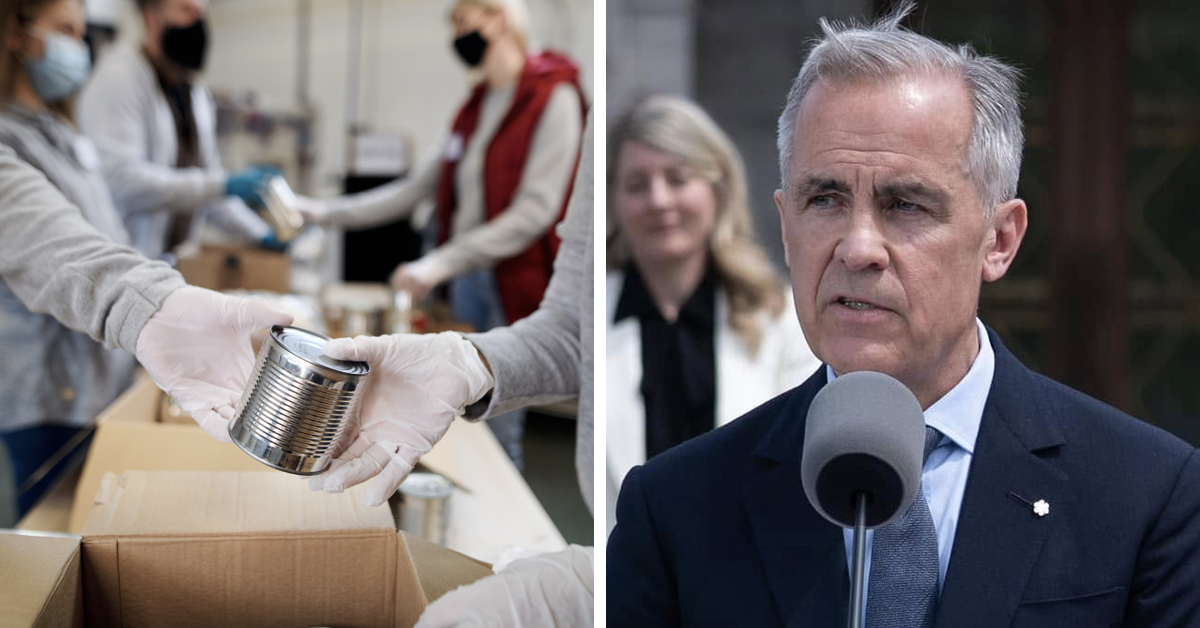
Since July 2020, Canadian grocery prices have soared 27.1%. In July, the Consumer Price Index rose 1.7% annually, primarily due to these increased costs.
Grocery prices rose 3.4% year-over-year in July (up from 2.8% in June), driven by a 28.6% jump in coffee prices due to poor growing conditions. Fresh fruit prices also increased in July and June, and confectionery costs climbed almost 12%.
Consumers can expect an expensive summer for fresh food, according to Dr. Sylvain Charlebois of the Agri-Food Analytics Laboratory. This is attributed to the typical peak demand for these products during the summer months.
Despite the "Elbows Up" campaign, a PwC Canada report indicates two-thirds of Canadians prefer cheaper imported food over domestic options.
“While many Canadians say they support local, price remains the most influential factor at the checkout,” Dr. Charlebois told Rebel News. “Over the past two years, consumer sentiment is increasingly shifting toward value over origin.”
The Agri-Food Analytics Lab repeatedly flagged grocery affordability as a major issue for Canadians with increased household financial stress, even before trade disputes and rising food costs, which the Liberal government largely ignored.
Canadian families are projected to spend $16,833.67 on food in 2025, an increase of $801.56 from last year.
StatsCan reported that year-over-year price increases were largely driven by fresh vegetables (up 3.7%), fresh or frozen beef (up 16.2%), and coffee and tea (up 13.4%). Prices for takeout also rose at a faster rate in April than in March.
When asked about lowering food costs, Dr. Charlebois said the matter is complex.
“Tariffs, including those tied to ongoing trade tensions with the U.S., are certainly part of the equation,” he said. “But so are domestic regulatory burdens, logistical inefficiencies, supply chain bottlenecks, and the limited competition in our retail sector.”
Global factors like geopolitical conflicts (e.g., the Ukraine war), energy costs, inflation, and the weak Canadian dollar are also driving up food prices, according to the Food Price Report.
The Food Professor stipulates that reactive government policy is partially to blame, referring to his June 25 column, which emphasized that a "GST holiday" does little to address food costs.
“Addressing food affordability requires a multifaceted approach—not just reactive trade policy,” he said, noting that lower tariffs may reduce the price difference between domestic and imported goods.
Dr. Charlebois advocates tariff adjustments to narrow price disparities between local and imported goods, arguing that current tariffs distort import flows, inflate Canadian business input costs, and ultimately raise consumer prices.
He says governments should prioritize “focused, measured, and limited” intervention to counter food inflation, supporting low-income households rather than disrupting pricing or trade.
The anticipated Grocery Code of Conduct, effective January 1, aims to regulate dominant supply chain tactics like listing fees and chargebacks. This is expected to increase transparency, promote fair competition, and ultimately lower consumer prices, though its effectiveness is yet to be proven.
Tariffs remain on various imported U.S. foods (produce, rice, pasta, dairy, coffee) and health products (soap, shampoo, cosmetics).
Loblaws earlier reported minimal impact from counter-tariffs on March food prices due to existing inventories, with higher prices emerging in subsequent months.
Food inflation in June was 2.9%, a 0.8% decrease from April. A December 5 report projected 2025 food inflation to not exceed 5%, compared to 2.8% at the time.
Alex Dhaliwal
Journalist and Writer
Alex Dhaliwal is a Political Science graduate from the University of Calgary. He has actively written on relevant Canadian issues with several prominent interviews under his belt.
Featured Stories


COMMENTS
-
 Robin Dutton commented 2025-08-21 10:47:28 -0400I don’t know where this number of 27% comes from. In my world, prices have increased by at least 50% and in some instances much more than doubled.
 -
Bernhard Jatzeck commented 2025-08-20 23:01:36 -0400Since much of that rise in cost is due to increasing “carbon taxes”, is the average world temperature 27% cooler?
