

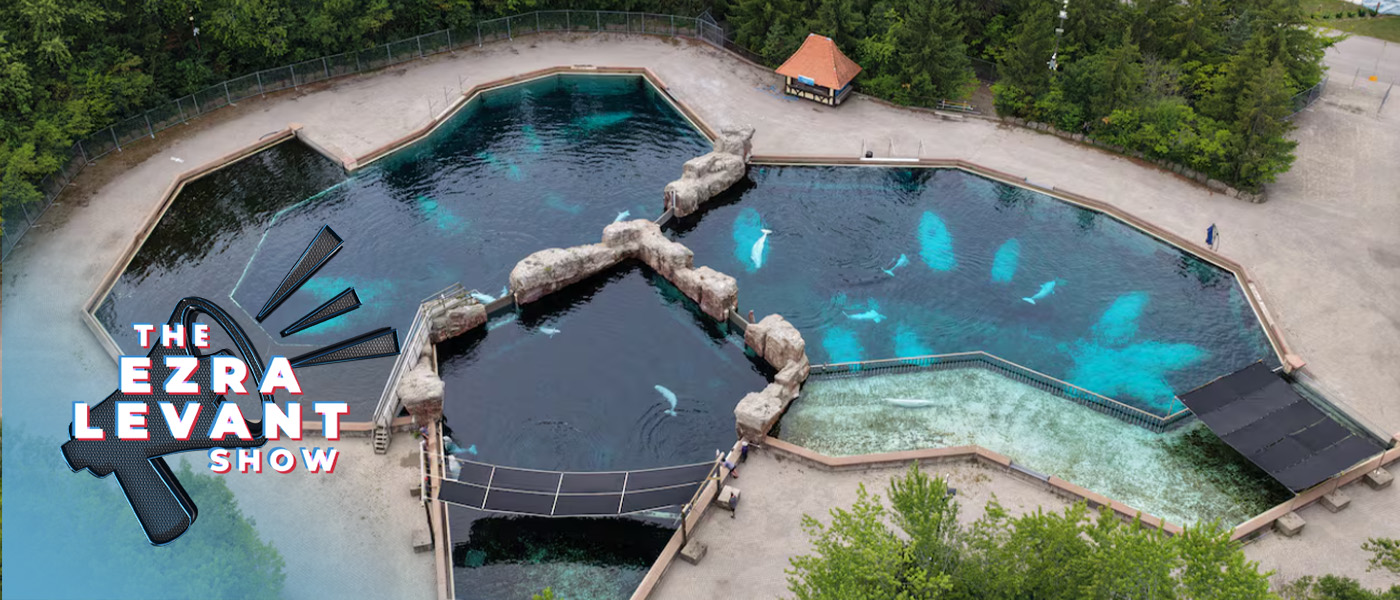


Marineland whistleblower uncovers plot to euthanize beluga whales
The only feasible options, he explained, are U.S. facilities that do not engage in performances or breeding.

A former trainer at Marineland, Phil Demers, now a whistleblower, discussed the park's controversial plan to euthanize beluga whales if the government doesn't provide funding. He highlighted that Marineland, once a thriving theme park, is now selling off its land and rides, and attempted to sell its marine mammals, including belugas, to a facility in China.
The federal government blocked the transfer, citing Bill S-203, which prohibits marine mammal captivity and breeding in Canada.
Demers countered that the Chinese facility had better conditions than Marineland, and the government's decision narrowed viable options for the whales. He dismissed the idea of sanctuaries as non-operational and unrealistic.
The only feasible options, he explained, are U.S. facilities that do not engage in performances or breeding. However, Marineland has a poor reputation with U.S. parks due to past incidents.
Demers also refuted the suggestion of releasing the whales into the wild, stating it would be a death sentence for most due to their captivity-bred nature and compromised instincts. He labeled Marineland's threat of euthanasia as "bluster" and "extortion" by lawyer Andrew Burns, who is managing the park's assets for the heirs.
Demers explained that Burns's primary agenda is to protect the trust fund by maximizing the value of assets, including the whales, which are viewed as commodities.
The former trainer exposed the deplorable conditions at Marineland, including dangerously high chlorine levels that caused severe health issues for the animals, leading him to quit and become a whistleblower. He emphasized that the industry's control over the narrative concealed the cruelty of captivity, a truth revealed by the internet and whistleblowers.
While Demers believes the marine mammals will eventually be relocated to other facilities and spared euthanasia, he voiced concerns for land animals, some already extinct. He noted the lengthy transfer process for marine mammals, leaving them in poor conditions for months or years. Demers continues his advocacy despite Marineland's legal challenges.
RebelNews+ Clips
RebelNews+ is our premium subscription service, which gives you access to our exclusive long form, TV-style shows, documentaries, members-only comments section, and the ability to read RebelNews.com without ads.
Subscribe now to get the full experience!
https://rebelnewsplus.com/Featured Stories

19:22

05:25


COMMENTS
-
Bruce Atchison commented 2025-10-13 21:33:38 -0400I’m sad that people in the interior of Canada can’t see whales and dolphins. I loved visiting West Edmonton Mall when they had dolphins. I’ve never seen them in the ocean and probably never will.

