Metro Vancouver residents must register fireplaces or face fines, bylaw says
Metro Vancouver already bans residential wood-burning from mid-May to mid-September.

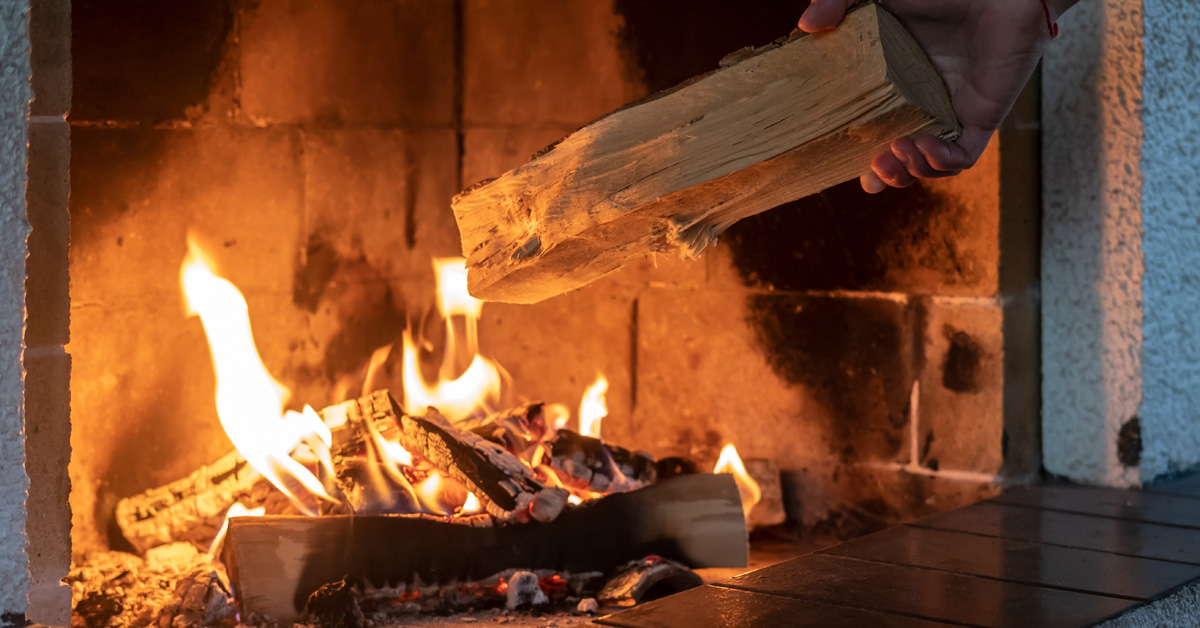
Metro Vancouver residents with wood-burning fireplaces or stoves must register by September 15 to avoid fines, as part of a regional initiative to control emissions within the urban containment boundary.
Metro Vancouver identifies residential wood smoke as the primary source of fine particulate matter (PM2.5), posing a significant health risk, especially for vulnerable populations, according to CBC News. This new registration requirement aligns with a 2020 bylaw, representing a step towards reducing emissions from wood burning.
Rebates up to $1,500 are offered to replace old wood-burning devices with heat pumps, or cleaner wood or electric models.
Julie Saxton, Metro Vancouver's air quality manager, estimates there are tens of thousands, possibly up to 100,000, wood-burning devices in the region. She told the CBC that registration aims to introduce an emission standard.
"We're not trying to ban … this activity, … [but] introduce lower emissions to reduce [health] effects," Saxton clarified. The WHO classifies PM2.5 as a human carcinogen, linking exposure to heart and lung disease, cancer, and reduced life expectancy.
Residential wood-burning accounts for about a quarter of the region's fine particulate matter emissions, according to the manager.
While other sources of pollution like heavy-duty vehicles, marine vessels, and industry have seen successful emission reductions, voluntary measures for residential indoor wood-burning over the past 15 years haven't been as effective.
Metro Vancouver already bans residential wood-burning from mid-May to mid-September. Best wood-burning practices, possibly using manufactured fire logs in older fireplaces, are also required.
The regional district says it prioritizes education over fines for unregistered fireplaces, with exceptions for emergencies and low-income households. However, repeat offenders may face a $500 fine, according to city bylaw.
Saxton emphasized the benefits for families, neighbors, and the community, including reduced emissions and cleaner air quality.
Vancouver city council previously banned natural gas in new homes on November 27, a move advocates believed would harm residential construction. While gas has been prohibited for heating and hot water in new homes since 2022, the ban initially exempt cooking and fireplaces.
Builders can no longer choose between natural gas and electricity for new residential builds as of March. Rising electricity demands (15% by 2030) also raise heating concerns.
City officials claim gas allowance jeopardizes 2030 climate goals and won't fix affordability.
Alex Dhaliwal
Journalist and Writer
Alex Dhaliwal is a Political Science graduate from the University of Calgary. He has actively written on relevant Canadian issues with several prominent interviews under his belt.


COMMENTS
-
 Bernhard Jatzeck commented 2025-08-18 22:23:06 -0400And here we thought that burning wood was compatible with the environment…..
 -
Bruce Atchison commented 2025-08-18 19:45:29 -0400Greens are getting personal and normal folks hate that.Nanny state goons are going to get blow-back for stunts like this.