


RCMP boss names seven cartels operating in Canada
Mexican cartels are increasingly using Canadian ports to transship meth to New Zealand and Australia, according to RCMP intelligence.

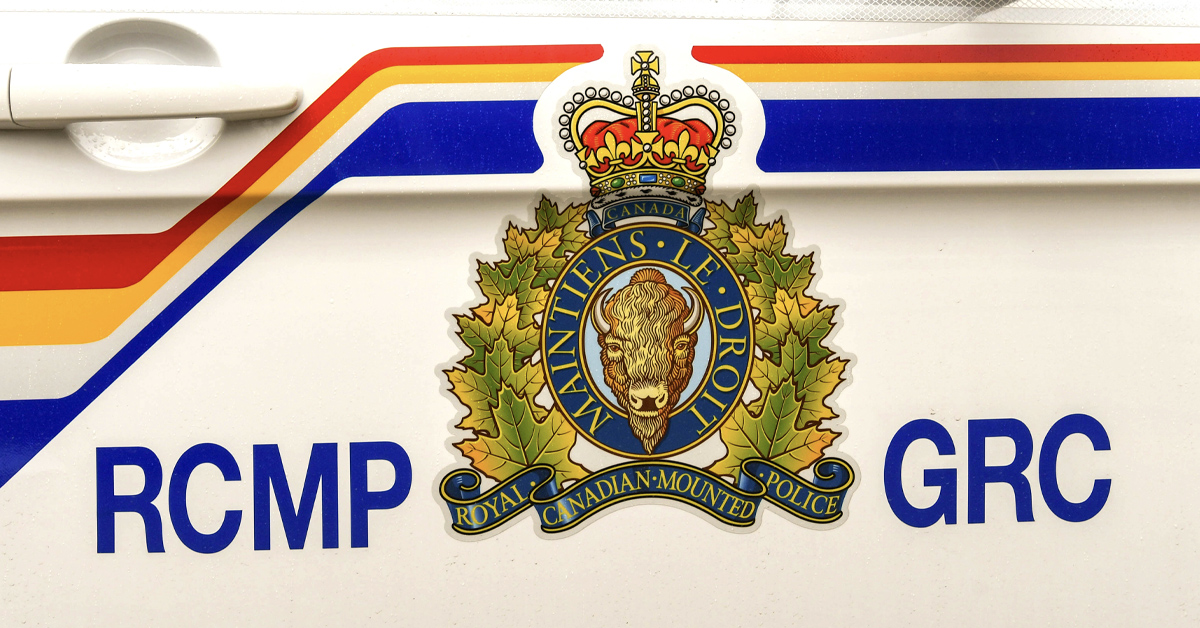
RCMP Chief Superintendent Mathieu Bertrand revealed that at least seven cartels are active in Canada. Bertrand, in a W5 exclusive, stated, “Cartels are a source of a lot of illicit goods coming into Canada.”
The Canadian government designated seven transnational criminal organizations as terrorist entities, citing their drug trafficking as a national security risk. These cartels, with origins in South and Central America, include MS-13, Cártel del Golfo, Cártel de Sinaloa, La Familia Michoacana, Cárteles Unidos, Tren de Aragua, and Cártel de Jalisco Nueva Generación.
When asked if those cartels are active inside Canada, Bertrand responded, “Yes.”
"we have information that Mexican cartels are in Canada and are operating, we don't know if they're behind all of the human smuggling operations."
— Alexandra Lavoie (@ThevoiceAlexa) September 25, 2023
RCMP answers my questions about the criminal groups that are operating smuggling illegal immigrants across the border into Canada.… pic.twitter.com/7sNINpMRfY
Mexican cartels are increasingly using Canadian ports to transship meth to New Zealand and Australia, according to a 2023 RCMP intelligence document obtained by the Investigative Journalism Foundation.
New Zealand is a “golden nugget” for transnational crime groups due to the high price of meth. A kilogram of meth costs $500 in Mexico, $10,000 in Canada, and nearly $300,000 in New Zealand.
From 2020 to 2024, Canada was the top exporter of methamphetamine to New Zealand, with 1,200 kilograms seized, valued at approximately $350 million.
“These organized crime groups, they’re Fortune 500 companies…They study the market just like we do…They know that there’s vulnerabilities in certain countries,” Bertrand said.
He denies Canada's vulnerability to cartels but announced an RCMP liaison will be stationed in New Zealand by 2026 to enhance intelligence sharing with customs.
450 million dollars worth of drugs on a 66 hectare compound
— Tablesalt 🇨🇦🇺🇸 (@Tablesalt13) November 2, 2024
100 firearms + explosives
98 million doses of fentanyl + tons of other drugs
and the RCMP arrest ONE GUY, with a total of 7 charges. WHAT? pic.twitter.com/B77yagz4Rm
RCMP busted 11 meth labs in two years, including Canada's largest in 2024, tied to a Mexican cartel. A B.C. farm raid revealed a “Breaking Bad”-like operation with 89 firearms, explosives, and 700 kg of meth.
The federal police service found drug chemists in Falkland using a meth production method favoured by Mexican cartels. Concurrent searches in Surrey, B.C., including a shipping container, revealed meth intended for export, often to Australia.
Australian Border Force Deputy Commissioner Tim Fitzgerald stated that cartels are increasingly using Canada as a transshipment point for drugs, including meth, bound for Australia. These Canadian-sourced drugs are less suspicious than those from countries like Mexico, he said.
Currently, 235 criminal groups produce fentanyl in Canada, with 35 exporting drugs to international markets, according to a 2024 CISC report.
— Rebel News (@RebelNewsOnline) May 21, 2025
READ MORE: https://t.co/ATu1OF4BHS pic.twitter.com/zqHNQroHKw
The RCMP Falkland bust, allegedly linked to China, also seized 54 kg of fentanyl. The Bureau reported most was for export, as Canadian production exceeded domestic demand, with the U.S. and Australia being primary export markets.
Since 2015, China has been the “largest source country” for illegal fentanyl and chemical precursors exported to Canada, reads a June 17 memo Fentanyl. It later “shifted from manufacturing and exporting finished products to exporting fentanyl precursors,” wrote analysts.
U.S. Congress confirmed that said precursors went from China to Mexico, whose cartels then “smuggle and distribute” throughout North America, on behalf of the Chinese Communist Party (CCP).
A federal investigation into Chinese drug trafficking in Vancouver produced ties to a CCP-linked entity named in the Foreign Interference Commission, leading to a significant fentanyl bust.
Immigration Minister Marc Miller acknowledges Canada admits individuals from countries with "unreliable police certificates" and those individuals commit crimes once inside Canada. pic.twitter.com/FkmgGW8bhD
— Juno News (@junonewscom) July 16, 2024
The RCMP told Rebel News that despite the federal closure of Roxham Road, the smuggling of illegal contraband remains an issue along the U.S.-Canada border.
Former immigration minister Marc Miller concurred that “sophisticated gangs” exploit flaws in Canada’s vetting process, resulting in criminals entering the country undetected to commit more crimes.
Criminal networks, initially exposed by Radio-Canada, have set up secret migration routes for illegal entry into Canada and the U.S., also using these paths to smuggle drugs, tobacco, and firearms.
Former president Biden's Homeland Security secretary, Alejandro Mayorkas, informed then public safety minister Marco Mendicino in April 2023 of increased Mexican cartel and organized criminal group activity in Canada, as detailed in a five-page RCMP document.
Canadian gangs, numbering around 350, are mass-producing fentanyl, with the CBSA reporting increased seizures of precursor chemicals.
Alex Dhaliwal
Journalist and Writer
Alex Dhaliwal is a Political Science graduate from the University of Calgary. He has actively written on relevant Canadian issues with several prominent interviews under his belt.
Featured Stories

10:48

14:02

COMMENTS
-
 Bernhard Jatzeck commented 2025-10-16 22:46:59 -0400Considering that border security in this country is as porous as a sieve, this isn’t surprising.
 -
Bruce Atchison commented 2025-10-16 19:19:43 -0400The worst of it is that the Liberals don’t care. We need Pierre Poilievre in the House of Commons as prime minister.