


The Canadian Dream Is Dead – The Liberals Killed It.
Today, virtually every part of the Canadian dream is broken.

“I don’t worry at all. I have a feeling I can do anything here. Anything can happen here. It is a little like being a child, with faith, again.” – George Lukk, post-war immigrant.
I remember the first days my family came to Canada. Like the statement above from George Lukk, we, along with the many generations of immigrants before us, had a sense of hope that anything could be achieved. The Canadian dream was simple: work hard, make an honest living, and reap the rewards you deserved. While the process was never easy, it made sense.
Today, virtually every part of that simple dream is broken.
Even with hard work, there’s no guarantee you’ll be able to earn enough to cover life’s necessities, achieve personal growth, or secure essential resources like a home, food, or, most importantly, the means to support children.
Homes, for example, have largely become an investment vehicle for the rich, at least that is how 80% of Canadians feel, according to the most recent polling.
This sentiment is neither unique nor unfounded. As Canada continues to experience record population increases, including more than 430,000 during the third quarter of 2023—the fastest pace of population growth in any quarter since 1957—housing starts have fallen. It doesn’t take a genius to understand that fewer homes and far more people mean more expensive homes and higher rents, which in turn price out virtually all new buyers.
Sadly, Canadians have felt the impact not just in their homes but also through massively rising costs across the board, including food.
As a result of this double whammy, those with the least resources are now being forced into homelessness, with the situation being described as a humanitarian crisis by some experts.
For those in the middle class, like Asia Ruuhala-Guzman, the situation isn’t great either. It means delaying life plans including kids. When asked how she could see herself having a child, her only hope was winning the lottery.
“We win the lottery, and we just have all this income and all this money at our disposal to afford a bigger place, to afford daycare, and all of the things,” she told The Current.
The economic assault on the middle class is not just reflected in Asia’s remarks, but also in the data, with Canadians having fewer babies than in any other year since 2005. While it could be argued that wealthier societies naturally have fewer children, the sentiments we’re seeing today are far closer to those experienced by societies under duress. In this case, a society that does not have children does not have hope.
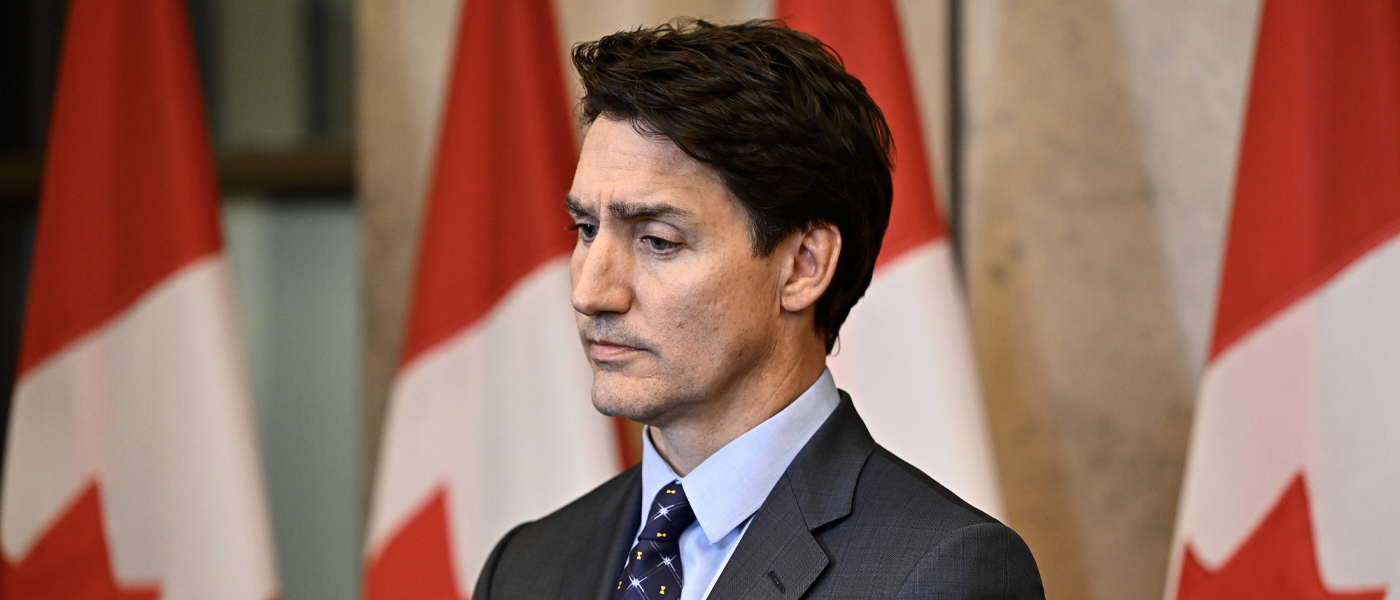
Much of this should be attributed to the poorly planned objectives put forward by the Trudeau Liberals. Under Trudeau, Canada has been taxing more, spending more, and getting little back. When not taxing and spending, it has been tilting the playing field for the benefit of specific industries or companies.
Unsurprisingly, under these conditions, our productivity has dipped, and we are rapidly falling behind. In fact, according to the Bank of Canada, “the level of productivity in Canada’s business sector is more or less unchanged from where it was seven years ago.” With the world more connected and competitive than ever, it should be clear that a country can’t compete and will not remain wealthy long.
This brings me back to the original and hopeful sentiments of George Lukk and the experiences of my own family; it’s evident that the Canadian dream has profoundly shifted. What once was a straightforward path—work hard, make an honest living, and reap deserved rewards—has become tangled in systemic issues and mismanagement. The disillusionment isn’t just anecdotal; it’s felt across the nation.
As the dream fades, replaced by economic pressures and inequality, it begs a crucial reflection on our values and the future we wish to forge. This isn’t merely about economic policy; it’s about the soul of a nation and its commitment to all its people. Revisiting and realigning with the ethos that once made Canada a beacon of hope is essential for restoring faith in the Canadian dream and ensuring it is accessible to everyone, not just a privileged few.
Featured Stories


