


The Stellantis Exodus: A Canadian Conundrum
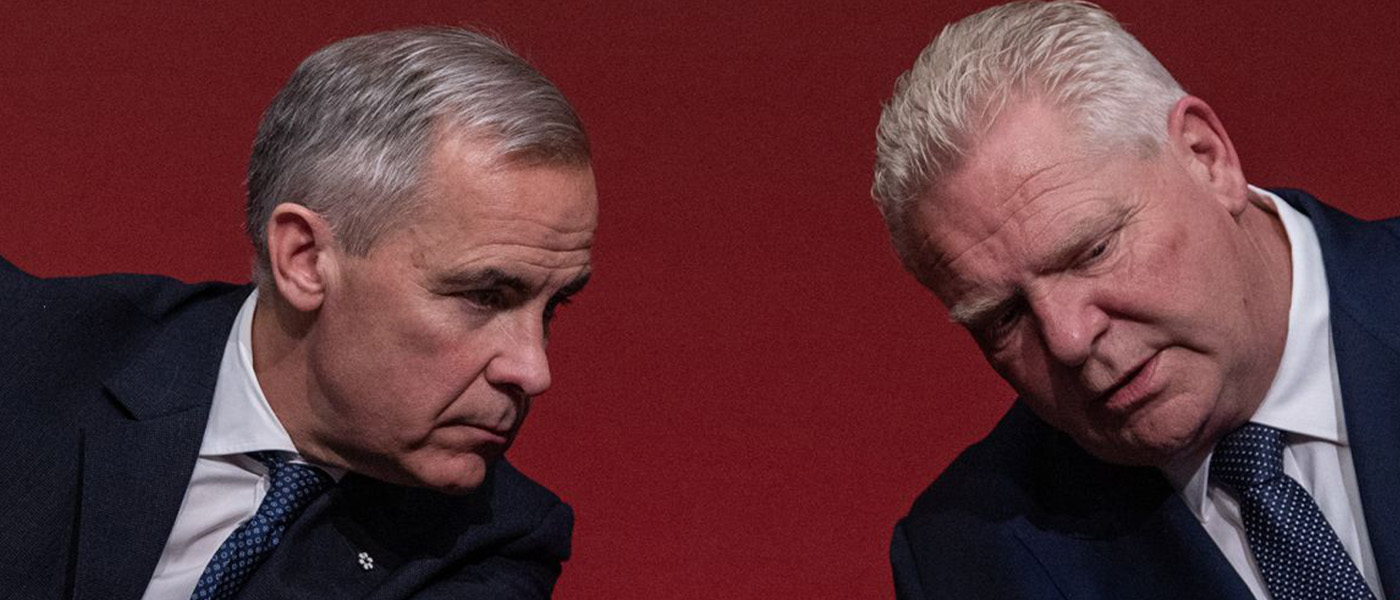
Carney claims his government remains committed to Canadian auto workers.

The recent decision by Stellantis to move Jeep Compass production from Brampton, Ontario, to Illinois, despite receiving an estimated $15 billion in Canadian government grants, has ignited a fierce debate about Canada's economic policies and the future of its auto sector. This move, reminiscent of promises made by Donald Trump to repatriate auto manufacturing, has raised concerns about the effectiveness of current government strategies in retaining Canadian jobs.
Prime Minister Mark Carney issued a statement emphasizing the government's commitment to Canadian auto workers, whom he deemed "foundational to the Canadian economy." He indicated that the government, in collaboration with Ontario and Unifor, is "working with a company to develop the right measures to protect Stellantis employees and to create new opportunities for them in and around Brampton."
The statement attributed Stellantis's decision to "current U.S. tariffs and potential future U.S. trade actions," suggesting a need for a more stable trade environment within the North American Auto Sector, especially with the upcoming review of the Canada-United States-Mexico Agreement (CUSMA).
Pierre Poilievre, leader of the opposition, called it a "tough day" for 3,000 Brampton Stellantis workers and accused Mark Carney of selling them out. He criticized the government's failure to secure job guarantees despite negotiating with President Trump and providing billions in handouts.
Ontario Premier Doug Ford, while expressing concern for the 157,000 workers in Ontario's auto sector, also faced criticism for his "handout" approach to the federal government and his perceived inability to navigate trade relations with the Americans. He called for federal action to maintain tariffs on Chinese vehicles and to advance major projects in nuclear energy, mining, and shipbuilding to create new economic opportunities.
A significant point of contention is the perceived prioritization of the auto sector over other vital Canadian industries. While the auto sector employs 157,000 people, the canola industry, a $44 billion sector, supports 206,000 Canadian jobs, with 65,000 directly employed on family farms. Critics argue that the canola sector is being "sold up the river" to protect the auto sector, especially given the plummeting sales of EVs in Canada (from 15% to 2-8% this year).
Livestream Clips
Catch the most impactful clips from our daily news livestream, Rebel Roundup, featuring breaking stories, bold opinions, and exclusive insights from our top reporters. Stay informed and never miss a moment—watch now!
https://www.rebelnews.com/live


COMMENTS
-
Allan Groat commented 2025-10-17 19:48:33 -0400Dear President Trump; please help with ALBERTA SEPERATION so we can escape a hostile, evil corrupt Liberal Government violating our safety and rights. Please help us.
-
 Thomas Cordery commented 2025-10-17 06:20:27 -0400CUSMA, the one piece of Canada’s trade relationship with the US that Mark Carney has had nothing to do with and the only one that hasn’t been decimated under Mark Carney’s “Tump whisperer” efforts is up for review in July. This Stellantis move signals of the upcoming CUSMA disaster.
 -
Bernhard Jatzeck commented 2025-10-16 22:48:47 -0400Bruce: most of western Canada doesn’t vote Liberal. Remember the words of Senator Keith Davey to PET: “Screw the west. We’ll take the rest.”
-
Bruce Atchison commented 2025-10-16 19:20:39 -0400And still the west is ignored.