

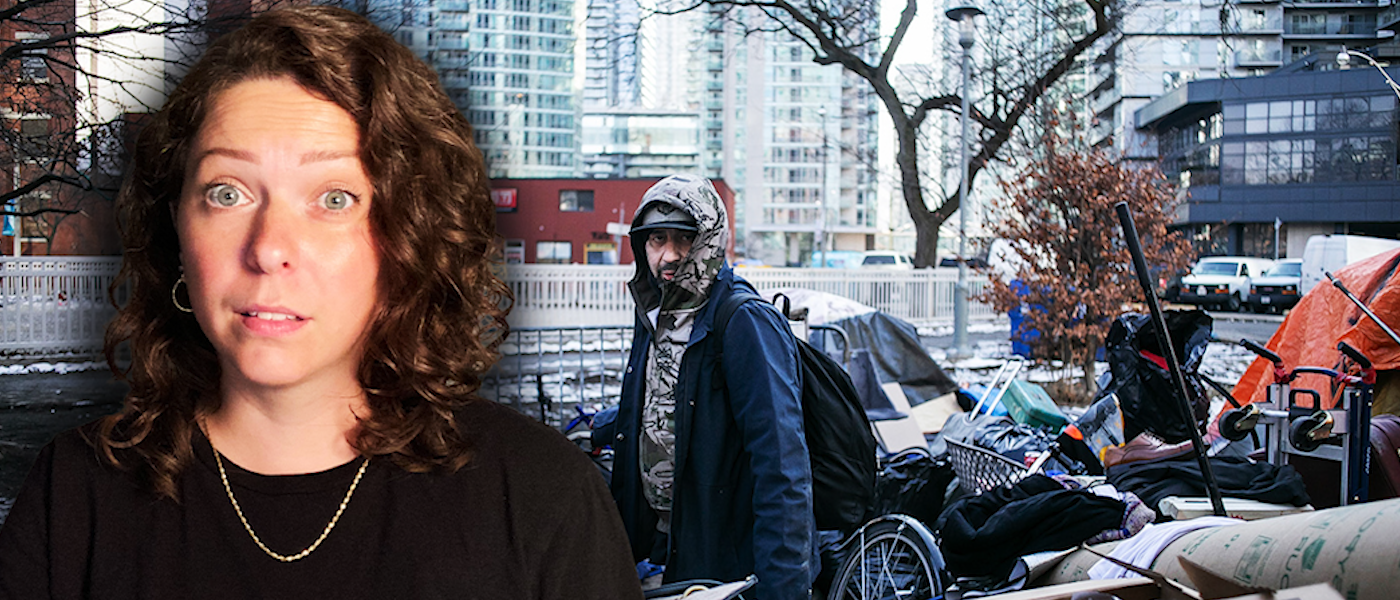


Toronto’s homelessness crisis deepens despite doubled funding
Uncontrolled immigration overwhelms Toronto’s shelters, driving the homelessness crisis and exposing a disgraceful federal policy failure that perpetuates despair.

Toronto’s homelessness crisis is spiralling, and the numbers are staggering.
The city’s 2024 Street Needs Assessment reveals a grim reality: homelessness has doubled since 2021, with 15,400 people living on the streets last fall, up from 7,300.
Shockingly, funding to combat this crisis has also doubled, ballooning from $180.5 million in 2019 to $365.3 million under the Housing TO 2020-2030 Action Plan.
So, where is this money going?
The data paints a troubling picture. A staggering 71% of those in city-run shelters, transitional housing, or hotels are immigrants, including asylum seekers — a sharp rise from 13% in 2021.
The assessment also notes that 31% of respondents cited “leaving the community/relocated” as a leading cause of homelessness, up from just 7% in 2021, when immigration-related issues were explicitly tracked.
This surge aligns with federal policies opening the mass migration floodgates, overwhelming Toronto’s already strained systems, while the crisis disproportionately impacts certain groups.
Indigenous people, just 3% of Toronto’s population, make up 9% of those unhoused. The Black community, 10% of the city, accounts for a staggering 58% of those without shelter. Many face mental health challenges, chronic illnesses, or substance use, yet the system — despite increased funding — is failing them and the broader community grappling with public disorder.
Last year’s Ombudsman report exposed the chaos: shelters were so overwhelmed that they turned away refugees and asylum seekers, prompting a proposed class-action lawsuit over gross mismanagement.
Meanwhile, Ontario processed 14,915 asylum claims in the first four months of 2025 alone, with 18,420 total claimants flooding the province, far surpassing Quebec’s 13,890. Most end up in Toronto, home to Canada’s largest shelter system, which provides more services per capita than anywhere else in the region.
Instead of solutions, a poverty industry thrives, profiting while despair floods the streets. Unplanned migration waves, both legal and illegal, are clearly buckling Toronto’s systems, exposing a cesspool of mismanagement.
The Housing TO plan promised change, but the streets tell a different story.
Band-aid fixes and bloated budgets, funded by taxpayers, aren’t working.
Torontonians deserve a system that addresses root causes: housing affordability, mental health support, and controlled immigration policies that don’t overwhelm the capacity to help Canadians first.
For now, throwing money at a broken system only seems to deepen the misery.
Featured Stories


COMMENTS
-
Bruce Atchison commented 2025-07-11 19:57:29 -0400Poverty industry indeed. Shame on those fattening their bank accounts on the misery of street people!

